
Companion Plants
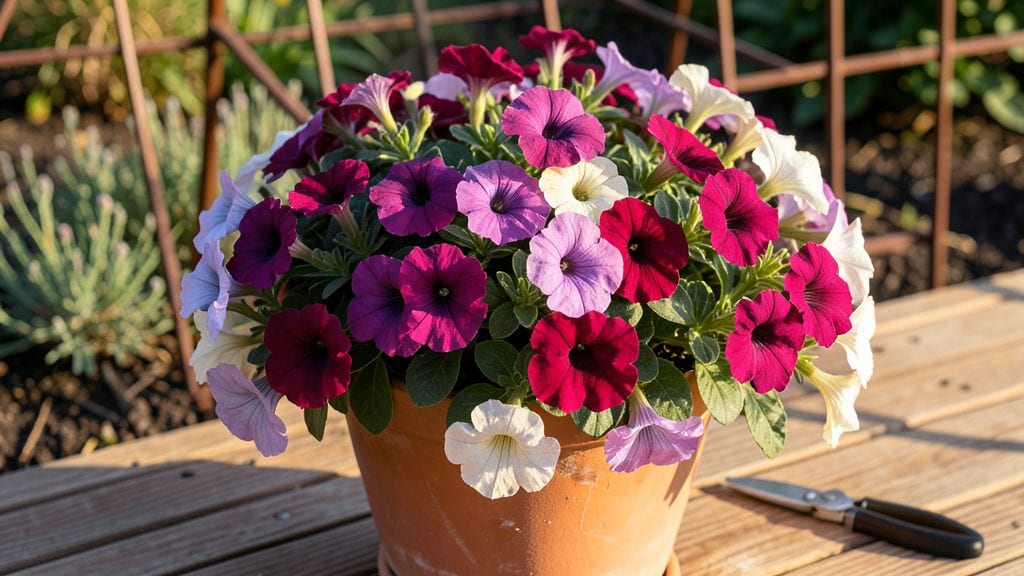
Buying plants in 1-gallon containers changed how I garden—suddenly, my small yard could pack in more life without sacrificing space. These compact plants are the unsung heroes of tight gardens, offering instant impact with less fuss than seedlings.
I’ve learned which varieties thrive in 1-gallon form (think dwarf shrubs, perennials, and even small fruit trees) and how to pick ones that’ll bounce back after transplanting, not wilt.
The secret to success starts at the nursery: healthy roots mean happy plants. Look for roots snaking around the pot—not circling tightly—and soil that smells fresh, not sour. Skip anything with yellow leaves or limp stems, no matter how pretty the blooms.
Once you’ve got your plants home, timing matters: spring or fall transplants give roots time to settle before summer’s heat or winter’s chill.
Transplanting itself is simpler than it sounds. Dig a hole twice as wide as the pot, loosen the roots gently, and water deeply before and after. Mulch around the base to lock in moisture, and you’ve just given your plant a fighting chance.
Within weeks, you’ll see new growth pushing through—proof that even small pots can grow big results.
Common mistakes? Overwatering (roots need air too) and disturbing the root ball more than necessary. Stick to the basics, and your 1-gallon plants will reward you with years of thriving greenery—no yard required. Let’s get those roots in the ground right.
📚 In This Guide
- What you need
- Instructions
- Tips and common mistakes
- Wrapping up and next steps
What you need
- ● 1-gallon pots or containers – Choose pots with drainage holes (3–5 per plant). Recommended: Plastic, terracotta, or fabric grow bags.
- ● High-quality potting mix – 1 cubic foot (or ~12–15 quarts) per plant. Opt for a well-draining blend with perlite or vermiculite.
- ● Companion plants – Select 1-gallon seedlings or starter plants (e.g., basil, lettuce, marigolds, or peppers). Pro tip: Stick to plants with similar water/sun needs!
- ● Watering can or hose with a gentle nozzle – Avoid overwatering; aim for 1–1.5 gallons per week (adjust for climate).
- ● Fertilizer – Balanced liquid fertilizer (e.g., 10-10-10) or slow-release granules. Dosage: Follow label instructions (typically 1 tbsp per gallon of water).
- ● Hand trowel – For easy transplanting or soil adjustments.
- ● Pruning shears – To trim dead leaves or encourage bushier growth.
- ● pH test kit – Ensures soil pH is ideal (most veggies prefer 6.0–7.0).
- ● Mulch (e.g., straw or shredded leaves) – Helps retain moisture and suppress weeds.
- ● Grow lights or sunny windowsill – If indoors, ensure 6+ hours of light daily.
- ● Access to sunlight – 6+ hours/day for most plants (adjust for shade-lovers like lettuce).
- ● Basic knowledge of plant spacing – Keep companions 6–12 inches apart in containers.
- ● Patience! – 1-gallon plants mature faster than larger ones but still need 4–8 weeks to thrive.
How to create a thriving garden using 1-Gallon plants
Here’s how I transform small spaces into lush gardens using 1-gallon plants—no sprawling beds required.
Choose the Right 1-Gallon Plants for Your Space
Start by selecting plants labeled as "1-gallon" at your nursery—they’re already established and ready to thrive. I focus on compact varieties like dwarf tomatoes, bush beans, or ornamental grasses, which fit perfectly in small pots or tight garden spots. Avoid sprawling vines or large shrubs; they’ll outgrow their containers quickly.
Check the plant tags for mature size—some "1-gallon" plants may still reach 3 feet tall. If space is ultra-limited, opt for herbs like basil or thyme, which stay small and pack a flavor punch. Group plants with similar water needs together to simplify care later.
Prepare Containers or Garden Beds for 1-Gallon Plants
Use the 4 containers (or garden spots) you’ve chosen, ensuring each has drainage holes if planting in pots. Fill them with 2 gallons of potting mix per container—this gives roots room to spread without overwhelming the plant. For in-ground planting, loosen the soil to a depth of 6 inches and mix in 1 cup of compost to boost nutrients.
If using pots, place them in a sunny spot that gets at least 6 hours of sunlight daily. Shade-loving plants like ferns or impatiens can go in partial shade, but most 1-gallon plants crave full sun. Avoid placing containers where they’ll be shaded by larger plants or structures.
Plant and Water 1-Gallon Plants Correctly
Remove the plant from its nursery pot and gently loosen the roots if they’re circling. Dig a hole just deep enough to bury the root ball 1 inch below the soil line—this ensures stability without smothering the stem. Place the plant in the center of the container or garden spot, then backfill with soil, pressing lightly to remove air pockets.
Water immediately after planting until water drains from the bottom of the pot (or seeps into the soil for in-ground plants). This settles the roots and removes air gaps. For the first 2 weeks, keep the soil consistently moist—stick your finger 1 inch deep into the soil; if it feels dry, water again. Overwatering is just as bad as underwatering, so let the top inch dry out slightly between waterings.
Maintain and Encourage Growth for 1-Gallon Plants
Feed your 1-gallon plants with ½ cup of balanced fertilizer (10-10-10) every 4-6 weeks during the growing season. This keeps them vibrant without overloading the small root system. I also add 1 tablespoon of slow-release granules to the soil at planting time for a steady nutrient boost.
Watch for signs of stress—yellowing leaves often mean overwatering, while crispy edges signal underwatering. Prune leggy growth to encourage bushier plants, and remove spent flowers to redirect energy into foliage or fruit. Most 1-gallon plants will fill their space within 4-6 weeks, so stay proactive with maintenance.
Expand or Transition as Needed
If your 1-gallon plants outgrow their containers, it’s time to upgrade. Transplant them into larger pots or the garden bed, being careful not to disturb the roots. I’ve found that moving plants in early morning or evening reduces shock—avoid midday heat, which stresses roots.
For a continuous display, stagger planting times—add new 1-gallon plants every 2-3 weeks to keep your garden blooming or productive. This works especially well for herbs, lettuce, or flowers like marigolds. With the right care, your 1-gallon plants will thrive for months, proving that big results don’t need big spaces.
Tips & tricks for perfect 1-Gallon plant gardens
Small spaces can still yield big results—these tips will help you maximize your 1-gallon plant garden without sacrificing beauty or productivity.
Container Selection Matters: When choosing your 4 containers, prioritize ones that are at least 12 inches deep for root development. I've found that fabric grow bags work exceptionally well because they allow roots to breathe while preventing overwatering. If using traditional pots, ensure they have drainage holes—waterlogged roots are the #1 killer of container plants. For in-ground planting, select spots with natural drainage to prevent soggy soil.
Root Care During Transplanting: In Step 3, when loosening those circling roots, take extra care not to tear them—this can shock the plant and stunt growth. I like to gently tease the roots apart with my fingers, especially for delicate plants like herbs or lettuce. After planting, give the root ball a gentle squeeze to ensure good soil contact around the edges. This helps prevent air pockets that can lead to wilting.
Fertilizer Timing Strategy: The 4-6 week feeding schedule in Step 4 works best when combined with a visual inspection. Before adding that ½ cup of balanced fertilizer, check for signs of nutrient deficiency like yellowing leaves or stunted growth. I've also found that applying half the recommended fertilizer dose after the first 2 weeks helps prevent overloading the small root system of 1-gallon plants.
Sunlight Optimization: While most 1-gallon plants need 6 hours of sunlight, don't assume all sun exposure is equal. Morning sun is gentler and helps prevent leaf scorch, while afternoon sun can be more intense. If your space gets strong afternoon sunlight, consider using containers with light-colored finishes to reflect some of that heat. For shade-loving varieties, choose spots that receive dappled sunlight rather than complete darkness.
Pro Tips for 1 Gallon Plants
- Small spaces can still yield big results—these tips will help you maximize your 1-gallon plant garden without sacrificing beauty or productivity.
- Container Selection Matters: When choosing your 4 containers, prioritize ones that are at least 12 inches deep for root development.
- Root Care During Transplanting: In Step 3, when loosening those circling roots, take extra care not to tear them—this can shock the plant and stunt growth.
Frequently asked questions
Got questions about maximizing your garden with 1-gallon plants? You’re not alone! Here are some of the most common queries—and their straightforward answers—to help you grow like a pro.
What are the best 1-gallon plants for small spaces?
Opt for compact, high-yield varieties like bush beans, radishes, or cherry tomatoes. Herbs such as basil, thyme, and parsley also thrive in 1-gallon pots. Leafy greens like kale or Swiss chard are great choices too—they pack a punch without sprawling!
How long does it take for a 1-gallon plant to mature?
Timing varies! Fast growers like radishes or green onions mature in 3–4 weeks, while tomatoes or peppers may take 6–8 weeks to bear fruit. Check seed packets for specific estimates—most 1-gallon plants are designed for quick harvests to save space.
Do 1-gallon plants need special watering?
Yes! Smaller pots dry out faster. Water deeply every 2–3 days (or daily in hot weather) and ensure pots have drainage holes. A self-watering system or drip irrigation can be a game-changer for consistency.
Can I replant 1-gallon containers after harvest?
After harvesting, remove old plants, refresh the soil with compost, and replant with succession crops like lettuce or carrots. Just avoid overcrowding—stick to one plant per gallon for best results.
What if my 1-gallon plant isn’t thriving?
Check for underwatering, overcrowding, or poor drainage. Yellow leaves? Boost nutrients with a balanced fertilizer. Still struggling? Try a larger pot (3–5 gallons) for root growth. Most issues are fixable with a little TLC!
Still curious? Drop your questions in the comments—we’re happy to help your tiny garden grow big!
Wrapping up and next steps
Growing 1-gallon plants is a game-changer for small spaces—whether you’re a beginner or a seasoned gardener looking to maximize yield! These compact companions thrive in tight spots, deliver big flavors, and make gardening fun and rewarding. 🌱✨
Ready to dive in? Start by picking your favorite 1-gallon varieties, grab your supplies, and give them the love they deserve. Before you know it, you’ll be harvesting fresh, homegrown goodness—one gallon at a time!