Planting
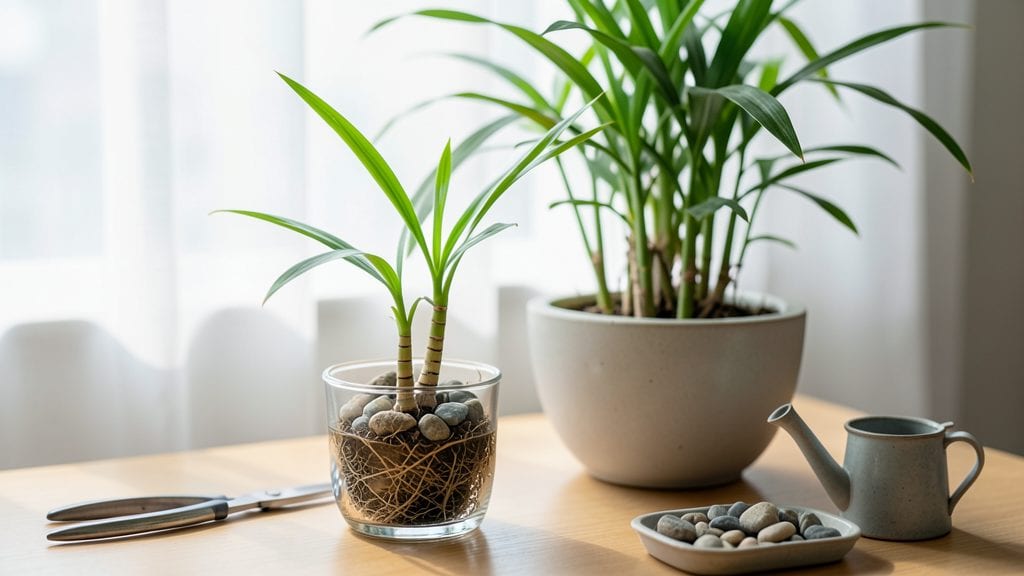
The best way to plant black bamboo is with a trench barrier and careful spacing—this prevents it from taking over your yard while still giving you that lush, privacy-creating screen you want. 🌿 I learned the hard way that skipping the barrier means waking up to bamboo in your neighbor’s yard, not just yours.
The key is digging a trench at least 3 feet deep and lining it with heavy-duty plastic or metal before planting.
Start by dividing mature rhizomes into 3-4 inch sections with at least one growth node. Plant them 12-18 inches apart in well-draining soil mixed with compost, and water deeply right after planting.
Black bamboo thrives in partial shade but handles full sun if kept moist—just avoid soggy soil, or you’ll deal with root rot. Prune back any runners that breach the trench immediately to keep growth contained.
📚 In This Guide
- What you need
- Instructions
- Tips and common mistakes
- Wrapping up and next steps
What you need
- ● Black bamboo rhizomes: 3–5 healthy, dormant rhizomes (1–2 inches thick) per plant. Choose Phyllostachys nigra for authentic black culms.
- ● Planting site: A location with partial shade to full sun (6+ hours of sunlight daily). Ensure 6+ feet of space between plants or barriers (black bamboo spreads aggressively!).
- ● Well-draining soil: Mix native soil with compost (50/50 ratio) or use a loamy, slightly acidic soil (pH 5.5–6.5). Avoid heavy clay.
- ● Organic mulch: 3–4 inches of wood chips or straw to retain moisture and suppress weeds.
- ● Watering can or hose: With a gentle spray nozzle for hydration.
- ● Pruning tools: Bypass pruners (for small stems, <1 inch thick)
- ● Loppers (for thicker culms, 1–3 inches thick)
- ● Pruning saw (for mature, woody stems, >3 inches thick)
- ● Gloves and long sleeves: Black bamboo has sharp edges—protect yourself!
- ● Root barrier: HDPE plastic or bamboo-specific barriers (18–24 inches deep) to contain rhizomes if planting near property lines.
- ● Soil test kit: To check pH and nutrient levels before planting.
- ● Fertilizer: Balanced organic fertilizer (10-10-10 or compost tea) to boost early growth.
- ● Stakes and twine: For young plants in windy areas.
- ● Knee pads: For comfort during planting/pruning.
Step-by-step guide for planting and pruning black bamboo
Here’s how to plant black bamboo for lush, controlled growth that delivers privacy without taking over.
🌱 Step 1: Choose the Right Planting Location
Black bamboo thrives in partial shade to full sun, but too much direct sun can stress the plant, especially in hot climates. I always pick a spot with morning sun and afternoon shade—this keeps the leaves vibrant without scorching them. The area should have well-draining soil to prevent root rot, which is a common issue with bamboo.
Dig a hole twice as wide and just as deep as the root ball of your bamboo plant. Loosen the soil at the bottom with a garden fork to encourage root spread. If your soil is heavy clay, mix in 2 inches of compost to improve drainage. This step sets the foundation for healthy growth and easier pruning later.
🪴 Step 2: Plant and Water for Immediate Stability
Place the bamboo in the hole, ensuring the top of the root ball sits level with the surrounding soil. Fill the hole with soil, pressing gently to remove air pockets but not compacting too firmly. Water deeply right after planting to help the roots settle into place—1 gallon per plant should do the trick.
Mulch around the base with 2-3 inches of organic mulch (like shredded bark) to retain moisture and suppress weeds. Keep the mulch 6 inches away from the plant’s base to prevent rot. Water again in 3-4 days to encourage root establishment. This initial care prevents transplant shock and gives your bamboo a strong start.
✂️ Step 3: Prune New Growth to Control Spread
Black bamboo spreads through rhizomes, so pruning is key to keeping it contained. Wait until the plant is 6-12 inches tall before pruning—this gives it time to establish. Use clean, sharp pruners to cut back any shoots that appear outside your desired boundary. I like to trim 1-2 inches above a node (the bump where leaves grow) to encourage bushier growth.
Remove any weak or crossing branches inside the plant to improve airflow and reduce disease risk. Prune in early spring before new growth starts, and again in late summer to shape the plant. Avoid heavy pruning in fall—it stresses the plant before winter dormancy. This keeps your bamboo dense and manageable.
☀️ Step 4: Maintain Through the Growing Season
Water your black bamboo 1-2 times per week, depending on your climate. The soil should stay evenly moist but not soggy—stick your finger 1 inch deep to check. Overwatering leads to root rot, while underwatering causes yellowing leaves. Fertilize lightly in spring and summer with a balanced, slow-release fertilizer to support steady growth.
Monitor the plant’s spread every 4-6 weeks and prune as needed to maintain your desired shape. If you notice new shoots popping up outside your boundary, remove them immediately—they’ll quickly become unmanageable. With consistent care, your black bamboo will grow into a privacy-friendly, low-maintenance hedge in just a few seasons.
Tips & tricks for perfect black bamboo planting
Between us, these little details make all the difference in keeping your black bamboo lush and contained.
Soil Prep Secret: Before planting, I always test my soil's drainage by digging a small hole and filling it with water. If it drains in less than 10 minutes, you're good to go. If it takes longer, mix in more compost or even a handful of perlite to that hole—this prevents the dreaded root rot that can kill your bamboo before it even gets established.
Root Ball Technique: When removing your bamboo from the nursery pot, gently squeeze the sides of the container to loosen the root ball. This helps prevent root damage during planting. If you notice roots circling tightly inside the pot, use your fingers to tease them out—this encourages outward growth instead of that tangled mess we all hate dealing with later.
Pruning Timing Tip: I've learned the hard way that pruning too early can stunt growth. Wait until your bamboo reaches that 6-12 inch mark before making your first cuts. This gives the plant enough energy to establish strong stems. Also, always prune on a dry day—wet tools can spread disease, and you don't want that ruining your hard work.
Mulch Maintenance: That 2-3 inch layer of mulch isn't just for show—it's your first line of defense against weeds and moisture loss. I refresh mine every spring, pulling back the old mulch and adding fresh shredded bark. Just remember to keep it 6 inches away from the stem to prevent rot. Think of it as giving your bamboo a cozy blanket while keeping its roots happy.
Pro Tips for Black Bamboo Planting
- Between us, these little details make all the difference in keeping your black bamboo lush and contained.
- Soil Prep Secret: Before planting, I always test my soil's drainage by digging a small hole and filling it with water.
- Root Ball Technique: When removing your bamboo from the nursery pot, gently squeeze the sides of the container to loosen the root ball.
Frequently asked questions
Got questions about black bamboo planting?
Here are answers to the most common concerns—from timing to troubleshooting—so you can grow this fast-growing privacy screen with confidence.
How fast does black bamboo grow, and when can I expect privacy?
Black bamboo (Phyllostachys nigra) grows 1–3 feet per year under ideal conditions, but it can shoot up to 6 feet in a single season with proper care. Expect noticeable privacy within 2–3 years for a 6-foot-tall hedge. Patience pays off—its dense clumping habit makes it a top choice for screens!
What’s the best time of year to plant black bamboo?
The ideal planting window is early spring or fall when temperatures are mild (50–70°F). Avoid extreme heat or frost—roots need time to establish before stress. If planting in summer, water deeply daily and use shade cloth to protect young shoots. Never plant in winter unless your climate is frost-free.
Can I plant black bamboo in containers, or does it need ground planting?
Black bamboo thrives in containers if the pot is at least 2 feet wide and deep, with drainage holes. Use a well-draining mix (60% soil, 30% compost, 10% perlite). However, ground planting is best for long-term growth—containers restrict root spread, limiting height and density. If container-grown, repot every 2–3 years to prevent root binding.
How often should I prune black bamboo, and what’s the best method?
Prune 2–3 times per year:
- Spring: Trim dead or weak canes to encourage new growth.
- Summer (after flowering): Cut back overgrowth to maintain shape.
- Fall: Light pruning to remove stragglers before winter.
My black bamboo is spreading uncontrollably—how do I stop it?
Black bamboo is clumping, not running, but aggressive suckering can happen if rhizomes escape barriers. Prevent spread by:
- Planting in rhizome barriers (HDPE plastic, 2–3 feet deep).
- Regularly digging up stray shoots at the base.
- Using mulch (3–4 inches) to suppress rhizome growth.
Wrapping up and next steps
Planting black bamboo is a rewarding way to add privacy, beauty, and low-maintenance structure to your space—but success starts with smart pruning! By following the right techniques, you’ll keep its growth in check, prevent invasive spread, and enjoy a lush, healthy screen year after year. Remember: consistency is key!
Ready to transform your yard? Start by gathering your tools, marking your planting zone, and scheduling your first pruning session this season. With patience and practice, your black bamboo will thrive—and so will your peace of mind! 🌿✨