Pruning
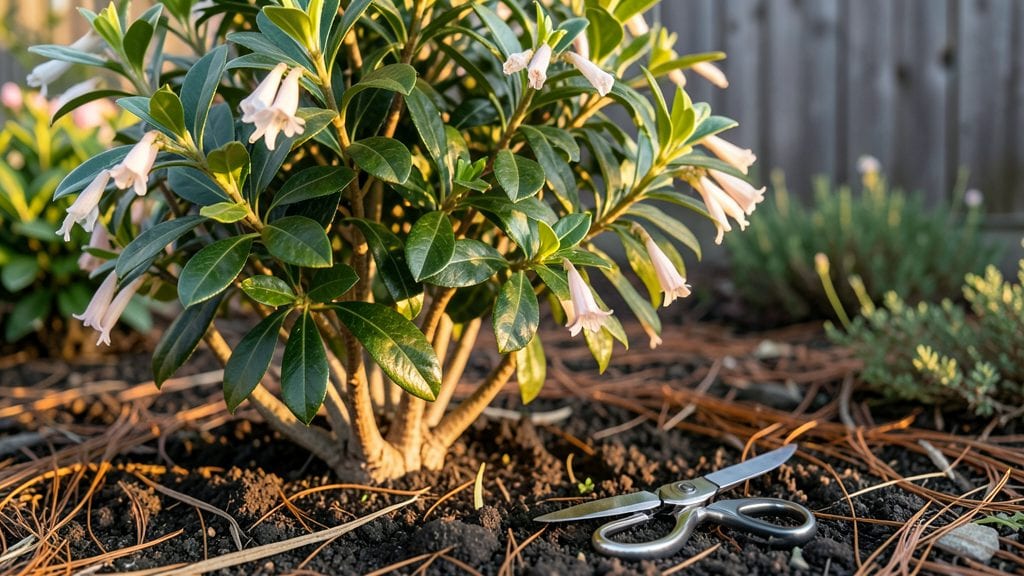
Pruning abelia plants transforms them from wild, sprawling shrubs into neat, blooming showpieces—and the best time to start is right after the first hard frost. 🌿 I’ve spent years watching abelia bushes go from leggy and overgrown to compact and covered in fragrant white flowers, all thanks to a few strategic cuts.
The key isn’t just when you prune, but how—and I’ll show you the exact technique that keeps my plants thriving year after year.
You’ll need just three things: sharp pruners, a clean pair of gloves, and a clear morning to work. The real secret lies in cutting back one-third of the oldest wood each year, which encourages fresh growth and more blooms.
Over-prune, and you’ll end up with a bare skeleton; under-prune, and your abelia will look like a tangled mess. I’ve made both mistakes—and learned how to fix them.
After pruning, your plant will reward you with vibrant new shoots within weeks, followed by clusters of fragrant flowers by late spring. The shape stays full, the growth stays controlled, and you’ll avoid the woody, unruly look that plagues neglected abelia bushes.
Best of all, this method works whether you’re shaping a small patio plant or a large hedge.
Here’s the thing—abelia plants are forgiving, but they do respond best to consistent care. Once you master the timing and technique, you’ll have a shrub that blooms reliably, stays compact, and becomes the standout feature of your landscape.
Let’s get those shears ready and turn your abelia into the star of the garden.
📚 In This Guide
- What you need
- Instructions
- Tips and common mistakes
- Wrapping up and next steps
What you need
- ● Pruning shears or secateurs: Sharp, bypass-style shears (for clean cuts on stems up to ½ inch thick). Dull blades crush stems, inviting disease—so keep them razor-sharp!
- ● Loppers: For thicker branches (½–1½ inches). Look for bypass-style with ergonomic handles for comfort.
- ○ Hand pruners (optional but handy): For delicate trimming of small stems or shaping.
- ● Garden gloves: Heavy-duty, cut-resistant (Abelia thorns can be sneaky!).
- ● Disinfectant (70% isopropyl alcohol or bleach solution): Clean tools between cuts to prevent spreading disease.
- ● Rubbing alcohol or hand sanitizer: For quick tool sterilization on the go.
- ○ Twine or plant ties: If staking new growth (optional for support).
- ● Hose or water spray bottle: Rinse tools and refresh plants post-prune.
- ● Mulch (pine bark or shredded leaves): Protects roots after heavy pruning.
- ● Fertilizer (balanced 10-10-10 or slow-release): Give your Abelia a post-prune boost (apply 4–6 weeks after trimming).
- ● Notebook & pen: Jot down notes on pruning dates or growth patterns for future reference!
Step-by-Step guide for pruning abelia plants
Here’s how to keep your abelia thriving with precise cuts that encourage blooms and strong growth all year.
✂️ Step 1: Prune in Late Winter for Structure
Start your abelia pruning in late winter (just before new growth begins) to shape the plant while it’s still dormant. Use clean, sharp pruners to make cuts at a 45-degree angle, about ¼ inch above a leaf node or bud. This angle helps water run off the cut and prevents rot.
Remove any dead, diseased, or crossing branches first—they’ll steal energy from your plant. I like to thin out crowded areas by cutting back about ⅓ of the oldest stems to encourage fresh, vigorous growth. This step sets the foundation for the season ahead.
✂️ Step 2: Light Pruning After Spring Blooms
Once your abelia finishes flowering in early summer, give it a light trim to maintain shape and encourage a second flush of blooms. Focus on shaping the plant by cutting back any leggy growth or branches that spoil its natural form. Never cut into old wood—abelias bloom on new growth, so prune just above fresh buds.
I avoid heavy pruning now because abelia blooms on current season’s growth. Instead, I just tidy up the edges and remove any branches growing inward. A quick sweep with your pruners keeps the plant looking neat without sacrificing next year’s flowers.
✂️ Step 3: Renewal Pruning in Early Fall
In early fall, before the first frost, do a renewal pruning to rejuvenate your abelia. Cut back ⅓ of the oldest stems again, this time focusing on the thickest, woodiest branches. This stimulates fresh growth and keeps the plant compact. Make your cuts just above a healthy bud or leaf node.
Fall is also the time to remove any suckers or unwanted shoots at the base of the plant. These compete with your main stems for nutrients. A little attention now means fewer surprises in spring—your abelia will burst with energy when warmer weather returns.
✂️ Step 4: Minimal Winter Pruning for Safety
If you notice damaged branches after a harsh winter, prune them back immediately in early spring before new growth starts. Never prune in deep winter—the plant is dormant and vulnerable. Instead, wait until you see buds swelling or new shoots emerging as your signal to act.
I also check for any branches that rubbed together during winter winds and prune them back to prevent future damage. A quick once-over keeps your abelia healthy and ready to shine when spring arrives.
🌿 Step 5: Year-Round Maintenance Tips
Between major pruning sessions, keep an eye out for overgrowth or unruly branches and trim them back as needed. Abelia responds well to regular light pruning, so don’t wait for a big session—small adjustments keep it looking its best.
After pruning, I always clean my tools with rubbing alcohol to prevent the spread of disease. A little maintenance now means fewer problems later, and your abelia will reward you with vibrant blooms and lush foliage all season long.
Tips & tricks for perfect abelia plant pruning
Here’s what nobody tells you about keeping your abelia looking its absolute best—these tricks make all the difference between a plant that just survives and one that thrives with vibrant blooms all season.
Cutting Angle Matters: In Step 1, when you make those 45-degree cuts just above a leaf node, here’s the secret: use a sharp pruner and hold the branch firmly to avoid tearing. The angle isn’t just for looks—it helps rainwater run off the cut instead of pooling and causing rot. I like to practice on a few smaller branches first to get the hang of it before tackling the main stems.
Timing is Everything for Blooms: In Step 2, when you’re doing that light summer trim, focus on cutting back only the leggy growth—never cut into old wood. Abelia blooms on new growth, so you’re actually encouraging more flowers by being gentle. I’ve seen plants go from sparse blooms to lush clusters just by following this rule. The key is to work right after flowering finishes, when the plant is ready for its next growth spurt.
Renewal Pruning Strategy: In Step 3, when you’re cutting back ⅓ of those oldest stems in early fall, here’s my game-changer: always make your cuts just above a healthy bud that’s facing outward. This ensures the new growth will fill in nicely and keep your abelia’s shape compact. I mark these buds with a small piece of tape if I’m unsure which ones are healthiest—it’s a small effort that pays off big time with stronger stems next season.
Tool Maintenance is Non-Negotiable: After every pruning session, clean your tools with rubbing alcohol—this isn’t optional! I keep a small bottle of 70% isopropyl alcohol in my gardening caddy. Diseased branches can harbor pathogens that spread to healthy parts of your plant. A quick wipe between cuts prevents problems before they start, and your abelia will reward you with fewer issues down the road.
Pro Tips for Abelia Plant Pruning
- Here’s what nobody tells you about keeping your abelia looking its absolute best—these tricks make all the difference between a plant that just survives and one that thrives with vibrant blooms all season.
- Cutting Angle Matters: In Step 1, when you make those 45-degree cuts just above a leaf node, here’s the secret: use a sharp pruner and hold the branch firmly to avoid tearing.
- Timing is Everything for Blooms: In Step 2, when you’re doing that light summer trim, focus on cutting back only the leggy growth—never cut into old wood.
Frequently asked questions
Got questions about keeping your Abelia looking its best? Here are some of the most common ones—plus quick, expert-backed answers to help you prune like a pro!
When is the best time to prune Abelia for maximum blooms?
The golden window for pruning is late winter or early spring (just before new growth starts). You can also do a light trim after blooming to shape it, but avoid heavy cuts then—it might reduce next year’s flowers. Pro tip: Never prune in fall; cold snaps can stress the plant!
How much can I trim back my Abelia without harming it?
Abelia is tougher than you think—you can safely remove up to 1/3 of the plant’s height in one go. For shaping, focus on dead, crossing, or overcrowded branches. If it’s woody or leggy, a harder cut back to live buds encourages bushier regrowth. Just avoid shearing it like a hedge—Abelia thrives on natural form!
What if my Abelia stops blooming after pruning?
Bloom loss usually means pruning at the wrong time (like after flowers appear) or cutting into old wood (where blooms form). To fix it: Prune in late winter, keep cuts above a leaf node or bud, and avoid over-trimming. If it’s still sparse, fertilize lightly in spring with balanced 10-10-10 to encourage new growth.
Can I prune Abelia in summer, or will it stress the plant?
Light summer pruning (like removing spent flowers or wayward shoots) is totally fine—just avoid heavy cuts after July. The plant focuses energy on blooming and setting buds, so big prunes can delay next year’s flowers. For shaping, stick to early morning on cool days to minimize stress. Water well before and after!
How do I prune Abelia in hot climates without killing it?
Heat + pruning = extra care. In dry climates, prune in early spring or fall (never mid-summer) to reduce water loss. Mulch around the base to retain moisture, and water deeply before pruning. If you must trim in summer, do it after sunset and avoid cutting into thick, woody stems—they take longer to heal in heat.
Wrapping up and next steps
Mastering Abelia plant pruning is your ticket to vibrant, blooming vines year-round! With the right tools, timing, and techniques, you’ll keep your plant thriving and full of life. Start small, stay consistent, and soon you’ll be shaping your Abelia like a pro.
Ready to take the next step? Grab your pruners, pick a sunny day, and give your Abelia the care it deserves! 🌿✨