Pruning
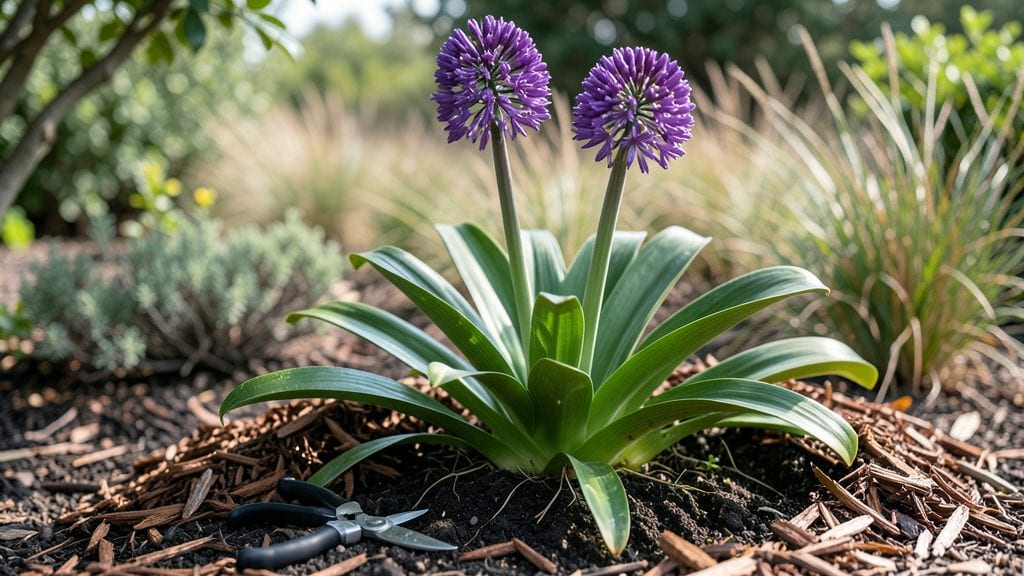
Pruning agapanthus plants transforms them from occasional bloomers into year-round stars with vibrant blue-green foliage and endless flower spikes. 🌿 I learned the hard way that skipping pruning means fewer blooms and leggy plants by summer—but these three strategic trims keep them looking sharp and producing flowers from early summer through fall.
The key is timing: cut back spent flower stalks right after blooming to redirect energy, then do a light trim in early fall to tidy up, and finally a hard prune in late winter before new growth starts.
You only need basic tools—a sharp pair of pruners and a small rake for cleanup—and the process takes less than 30 minutes per plant.
What you’ll end up with is agapanthus that stays compact, blooms heavier than ever, and survives winters without browning. The foliage stays glossy and upright, and you’ll avoid the sad, bare stems that happen when pruning is ignored.
Even my black thumb can’t mess this up once I got the timing right.
Works for both in-ground plants and container-grown agapanthus, and the same principles apply whether you’re dealing with one plant or a whole border. Let’s get those blooms back next season—starting with the first trim now.
📚 In This Guide
- What you need
- Instructions
- Tips and common mistakes
- Wrapping up and next steps
What you need
- ● Pruning shears – Bypass pruners (sharp, clean, and sterilized with rubbing alcohol to prevent disease). Choose a pair with ergonomic handles for comfort.
- ● Garden gloves – Heavy-duty, cut-resistant (e.g., nitrile-coated) to protect hands from thorns and sap.
- ● Disinfectant solution – 1 part bleach to 9 parts water (or 70% isopropyl alcohol) to sterilize tools between cuts.
- ● Garden twine or plant ties – Jute or nylon twine (¼-inch width) to support stems if needed.
- ● Compost bin or mulch – For disposing of pruned foliage (avoid composting diseased plants).
- ● Watering can or hose – With a gentle spray nozzle for post-pruning hydration.
- ○ Pruning saw (optional for thick stems) – Bypass saw with a fine-tooth blade (for stems thicker than ½ inch).
- ● Hand lens or magnifying glass – To inspect stems for pests or disease before pruning.
- ● Plant food or fertilizer – Balanced 10-10-10 or slow-release granules to revitalize plants after trimming.
- ● Pruning sealant – Tree wound dressing (for large cuts, though agapanthus typically heals well without it).
- ● Knee pad or stool – For comfort when pruning larger plants or working in tight spaces.
How to prune agapanthus for continuous, stunning blooms
This isn't just about cutting back—it's about shaping your plants for stronger growth and more flowers.
✂️ Step 1: Deadhead Spent Blooms After Summer
As flowers fade in late summer, snip the entire flower stalk down to the base with clean, sharp pruners. I like to do this right after the blooms drop their petals—it keeps the plant looking tidy and redirects energy to next year's buds. Avoid leaving any dead stems; they attract pests and look messy.
This first cut is all about maintenance. You'll notice new side shoots forming at the base within weeks—that's your plant preparing for next season. If you skip this, your agapanthus will put energy into seed production instead of storing it for future blooms.
🌿 Step 2: Cut Back Foliage in Late Fall or Early Winter
When the leaves turn yellow and crispy in late fall, it's time for the second trim. Cut all the foliage back to about 2-3 inches above the ground. This prevents disease buildup in old leaves and makes it easier to spot early signs of pests or rot next spring.
Here's the thing—don't rush this step. Wait until after the first frost when the leaves are clearly dead. If you cut too early, you'll remove foliage that's still photosynthesizing and storing energy for next year's growth. I always do this in December when the ground is cold but not frozen.
☀️ Step 3: Lightly Trim in Early Spring Before Growth Begins
In early spring, just as new shoots start to appear (usually February or March), give your agapanthus a light trim. Cut back any remaining dead foliage and any stems that look weak or damaged. This third trim is gentle—just enough to clear debris and encourage fresh, vigorous growth.
You'll see tiny green buds forming at the base within a few weeks. This is your plant waking up after dormancy. Avoid heavy pruning now—you want to preserve as much leaf surface as possible to fuel the upcoming blooming season. If your plant is healthy, you might only need to remove a few straggly stems.
⏰ Step 4: Optional Mid-Season Trim for Bushier Growth
If your agapanthus gets leggy or overly tall, you can do a light mid-season trim in late spring or early summer. Cut the tallest stems back by about one-third to encourage bushier growth. This works best if you notice stems stretching toward the sun or looking weak.
This step is optional but can transform a floppy plant into a fuller one. Just be careful not to overdo it—agapanthus responds well to minimal pruning. After this trim, you'll likely see new side shoots forming within a few weeks, creating a denser plant structure.
Tips & tricks for perfect agapanthus pruning
These simple tricks will help you transform your agapanthus into a blooming powerhouse year after year.
The Timing Factor: I can't stress enough how important seasonal timing is for each pruning step. In Step 1, deadheading right after petals drop (late summer) ensures you're not removing buds for next year's flowers. For Step 2, waiting until after the first frost when leaves are crispy ensures you're not cutting off foliage still photosynthesizing. Mark your calendar for December—that's my go-to month for the fall/winter trim.
Tool Selection: Don't use scissors or dull pruners—they crush stems and create jagged cuts that invite disease. Invest in a pair of bypass pruners with sharp blades. I sterilize mine with rubbing alcohol between plants to prevent spreading any potential infections. For larger stems, grab a pair of loppers—they give you more leverage without damaging the plant.
Visual Cues for Pruning: In Step 3, look for these signs before trimming: new shoots should be 1-2 inches tall and have a firm, green appearance. Avoid cutting into any green growth—this is your plant's energy source for next year's blooms. For the one-third trim in Step 4, focus on stems that are noticeably taller than others or leaning dramatically toward sunlight.
Aftercare Strategy: After any pruning, give your agapanthus a balanced fertilizer (10-10-10 ratio) to replenish nutrients lost during trimming. I apply this in early spring right after my light trim in Step 3. Water deeply after fertilizing to help the roots absorb nutrients. This simple step makes a huge difference in bloom quantity and plant vigor for the next season.
Pro Tips for Agapanthus Plants Pruning
- These simple tricks will help you transform your agapanthus into a blooming powerhouse year after year.
- The Timing Factor: I can't stress enough how important seasonal timing is for each pruning step.
- Tool Selection: Don't use scissors or dull pruners—they crush stems and create jagged cuts that invite disease.
Frequently asked questions
Got questions about pruning your agapanthus?
Here are answers to the most common ones—so you can keep those stunning blooms coming year after year!
When is the best time to prune agapanthus?
Prune agapanthus after flowering (late summer to early fall) to remove spent blooms and encourage new growth. A second light trim in early spring (before new shoots appear) keeps the plant tidy. Avoid heavy pruning in winter—it can stress the plant. Pro tip: If you’re in a cold climate, wait until frost has passed before spring pruning!
Can I prune agapanthus too much?
Yes! Over-pruning—especially cutting into old foliage or the crown—can weaken the plant or even kill it. Agapanthus stores energy in its roots and lower stems, so always leave at least half the plant’s height intact. If you accidentally prune too much, don’t worry—just reduce future cuts and keep the soil moist while it recovers.
Will pruning make my agapanthus bloom more?
Pruning removes spent flower stalks, redirecting the plant’s energy toward new blooms and healthier foliage. For maximum flowers, deadhead (cut back) faded blooms immediately after they wilt. A well-timed annual prune can double your blooms over time—just be patient!
What if my agapanthus doesn’t bloom after pruning?
No blooms? Check these fixes:
- Light: Agapanthus needs full sun (6+ hours daily). Move it to a sunnier spot.
- Fertilizer: Feed with a balanced, low-nitrogen fertilizer in spring.
- Age: Young plants (under 3 years) may not bloom yet—be patient!
- Stress: Over-pruning or drought can delay blooms. Adjust your care routine.
Do I need special tools to prune agapanthus?
Not necessarily! Basic tools like sharp bypass pruners or clean garden shears work great. For larger clumps, loppers or a hand saw may help. Disinfect tools with rubbing alcohol between cuts to prevent disease. Avoid dull blades—they crush stems instead of cleanly cutting them.
Wrapping up and next steps
Pruning your agapanthus plants doesn’t have to be intimidating—with just three strategic trims a year, you’ll enjoy vibrant blooms and a healthier plant for seasons to come! 🌸 Whether you’re tackling deadheading, shaping, or winter prep, timing and technique are your best friends.
Now that you’re armed with the right tools, knowledge, and confidence, it’s time to roll up your sleeves and give your agapanthus the care it deserves.
Ready to transform your garden? Start with a quick assessment of your plants—identify any overgrown stems, faded blooms, or winter damage—and schedule your first trim this week! Your agapanthus will thank you with showstopping color all year long.