
Companion Plants
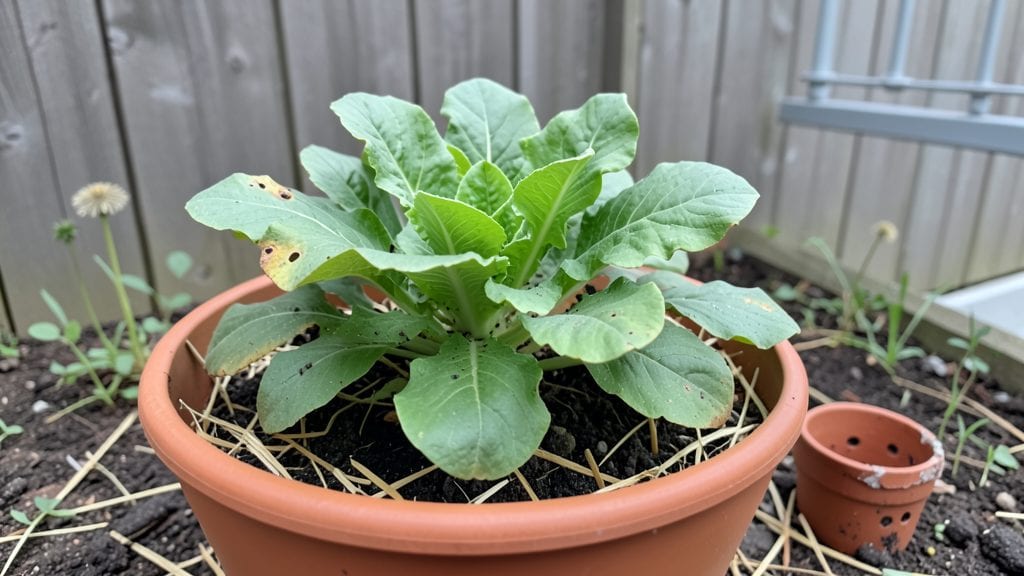
Your tiny balcony can become a lush green escape with the right apartment balcony plants—even if you only have a few square feet. I transformed my concrete ledge into a thriving mini-garden using containers that fit snugly and plants that love being cooped up.
The key is choosing varieties that handle confinement and picking pots with personality, because every inch counts when space is limited.
Start with low-maintenance staples like petunias for color, basil for cooking, and dwarf tomatoes for productivity—all three thrive in 5-gallon pots with good drainage. Herbs like thyme and oregano practically grow themselves in cracks between railings, while trailing plants like string of pearls or nasturtiums soften edges and create movement.
The secret weapon? Self-watering containers that keep roots happy without daily attention.
By summer’s end, you’ll have a balcony that feels like a secret garden—fragrant, productive, and visually stunning without taking over your living space. The best part?
You’ll harvest fresh herbs for meals, watch flowers bloom all season, and enjoy the satisfaction of growing more in less space than you ever thought possible.
Works for any urban setup—sunny south-facing ledges, shady north corners, or even a covered porch. The only rule? Play to your balcony’s natural light and pick plants that match it. Let’s make that concrete jungle into a green oasis.
📚 In This Guide
- What you need
- Instructions
- Tips and common mistakes
- Wrapping up and next steps
What you need
- ● Containers: 2–5 pots (size depends on plant type; 6–12" diameter for small plants, 12–18" for larger ones)
- ● Material: Terracotta (breathable), plastic (lightweight), or fabric grow bags (self-watering)
- ● Potting Mix: High-quality all-purpose potting soil (avoid garden soil—it compacts)
- ○ Optional: Add perlite or vermiculite (10–20% mix) for drainage
- ● Plants: Space-saving varieties like herbs (basil, thyme), succulents (sedum, echeveria), or trailing plants (petunias, ivy)
- ● Check light requirements—full sun, partial shade, or low light—to match your balcony
- ● Tools: Trowel or small shovel
- ○ Gloves (optional but handy for thorny plants)
- ● Watering can or hose with a gentle spray nozzle
- ● Drainage: Small rocks or broken pottery pieces (1–2" layer at the bottom of pots)
- ● Fertilizer: Slow-release granules or liquid fertilizer (follow package instructions)
- ● Decor: Cute plant markers, hanging planters, or weatherproof paint for pots
- ● Support: Trellis or stakes for climbing plants (e.g., jasmine or morning glories)
Step-by-Step guide to choosing and caring for balcony apartment plants
Here's how to transform your balcony into a lush, productive green space using the right plants and techniques.
Select Compact, Container-Friendly Varieties
Start with plants bred for small spaces—herbs like basil and thyme thrive in 6-inch pots, while dwarf citrus trees stay manageable in 12-inch containers. I always prioritize plants with shallow root systems, like lettuce and radishes, which won’t outgrow their pots quickly. Avoid vining plants like cucumbers unless you’re prepared to train them vertically with trellises.
Check plant tags for mature size—many labeled as "dwarf" still reach 2-3 feet tall when mature. If your balcony has partial shade, opt for shade-tolerant varieties like Swiss chard or parsley. For full sun exposure, choose heat-resistant plants like rosemary or oregano that won’t wilt in afternoon heat.
Choose the Right Containers for Drainage and Aesthetics
Use containers with drainage holes—no exceptions. I’ve learned the hard way that skipping this leads to root rot within weeks. Terra cotta pots are ideal because they breathe, but plastic containers work if you add a 2-inch layer of gravel at the bottom for drainage. For 4 plants, you’ll need at least 4 containers—one for each variety to prevent cross-contamination of pests or diseases.
Balance aesthetics with function: hanging baskets work well for trailing plants like strawberries or nasturtiums, while deep pots (at least 12 inches deep) suit root crops like carrots or beets. Group containers by watering needs—herbs and leafy greens prefer consistent moisture, while succulents like sedum need dry soil between waterings.
Optimize Soil and Fertilization for Small Spaces
Fill containers with lightweight potting mix—never garden soil, which compacts and suffocates roots. I mix in 1 part perlite or vermiculite to every 3 parts potting mix to improve drainage. For 4 plants, you’ll need about 2 gallons of mix per container, depending on size. Add a slow-release fertilizer at planting time to provide nutrients without frequent applications.
Top-dress with 1-2 inches of organic mulch (like shredded bark) to retain moisture and suppress weeds. Avoid over-fertilizing—too much nitrogen leads to leafy growth at the expense of flowers or fruit. Instead, use a balanced 10-10-10 fertilizer every 4-6 weeks during the growing season. Watch for yellowing leaves, which signal overwatering or nutrient deficiencies.
Position Plants for Light and Airflow
Assess your balcony’s sunlight patterns: morning sun is gentler than afternoon heat, so place heat-sensitive plants like lettuce on the east side. If your balcony faces south or west, prioritize drought-tolerant plants like lavender or rosemary. Rotate containers quarter-turn weekly to ensure even growth—you’ll notice plants leaning toward the light if they’re not getting balanced exposure.
Ensure 3-4 inches of space between containers for airflow, which prevents fungal diseases like powdery mildew. Group plants with similar water needs together to simplify care. For example, place herbs in one corner and succulents in another. If your balcony lacks natural airflow, use a small fan on low setting for 10-15 minutes daily to strengthen stems and deter pests.
Maintain a Consistent Watering and Pruning Routine
Water early in the morning to reduce evaporation and fungal risks. Stick your finger 1 inch into the soil—if it feels dry, it’s time to water. Drip irrigation systems are ideal for balconies, but if you water by hand, use a gentle spray to avoid displacing soil. Overwatering is the #1 killer of container plants, so always check the drainage tray—if it’s full of water, you’ve overdone it.
Prune regularly to encourage bushier growth. Pinch back the tips of herbs like basil and mint when they reach 4-6 inches tall to promote branching. For flowering plants, deadhead spent blooms to redirect energy into new growth. Harvest leaves or produce frequently—this prevents plants from becoming leggy and encourages continuous production. You’ll see a noticeable difference in plant vigor within 2-3 weeks of consistent pruning.
Tips & tricks for perfect balcony apartment plants
Transforming your balcony into a thriving green space requires understanding the subtle details that make all the difference between struggling plants and lush, productive growth.
Container Size Matters: In Step 1, when selecting containers, remember that root systems need room to grow but not so much that the soil dries out too quickly. For example, those 6-inch pots for herbs like basil and thyme are perfect because they provide enough space for shallow roots while maintaining moisture. If you're tempted to use larger containers for aesthetic reasons, add extra perlite to the mix to prevent compaction and ensure proper drainage. This balance is key to preventing root-bound plants that become stunted or diseased.
Light Positioning Secrets: Step 4 emphasizes rotating containers weekly, but here's what nobody tells you—morning sun is actually more forgiving than afternoon heat. If your balcony faces south or west, consider placing heat-sensitive plants like lettuce in the morning sun only, moving them to partial shade by midday. I've seen lettuce bolt and turn bitter within days when left in full afternoon sun, so this simple adjustment can extend your harvest by weeks.
Soil Mix Precision: The 3:1 ratio of potting mix to perlite or vermiculite in Step 3 is non-negotiable for container gardening. I've learned this through trial and error—too much perlite can make nutrients inaccessible, while too little leads to waterlogged roots. For the 2 gallons of mix per container, pre-mix your soil in a large bin to ensure even distribution. This prevents pockets of dense soil that can suffocate roots while other areas dry out too quickly.
Watering Technique: That 1-inch soil check in Step 5 is your best friend, but here's the technique that changed everything for me: use a moisture meter for the first week to get a feel for your specific containers. Different materials (terra cotta vs. plastic) and colors absorb heat differently, which affects moisture levels. Once you understand your plants' needs, you can rely on the finger test—but that initial calibration period is crucial for avoiding both underwatering and overwatering.
Pro Tips for Apartment Balcony Plants
- Transforming your balcony into a thriving green space requires understanding the subtle details that make all the difference between struggling plants and lush, productive growth.
- Container Size Matters: In Step 1, when selecting containers, remember that root systems need room to grow but not so much that the soil dries out too quickly.
- Light Positioning Secrets: Step 4 emphasizes rotating containers weekly, but here's what nobody tells you—morning sun is actually more forgiving than afternoon heat.
Frequently asked questions
Got questions about balcony apartment plants?
Here are some common ones—and their easy answers!
What are the best low-maintenance plants for small balconies?
Opt for hardy, drought-tolerant plants like snake plants, pothos, or succulents (e.g., jade or echeveria). Herbs like basil and mint also thrive in pots with minimal fuss. Pro tip: Choose plants with similar watering needs to simplify care!
How often should I water balcony plants in pots?
Check soil moisture with your finger—if the top inch is dry, it’s time to water! Succulents need water every 2–3 weeks, while herbs and leafy greens may need weekly watering. Morning watering prevents evaporation and fungal issues. Overwatering is the #1 killer—drainage holes are a must!
Can I grow edible plants on a tiny balcony?
Try cherry tomatoes, lettuce, green onions, or strawberries in hanging pots or small containers. Use lightweight, nutrient-rich soil and fertilize every 4–6 weeks. Bonus: Herbs like thyme and parsley grow well in just 6-inch pots!
How do I protect my plants from wind or extreme heat?
Place pots near walls or railings for windbreaks, and use terracotta pots (they breathe better in heat). Move sensitive plants indoors during storms or extreme temps. Mulch helps retain moisture, and shade cloth can save sun scorched leaves.
What if my balcony plants look sad or stop growing?
Yellow leaves? Likely overwatering or poor drainage. Brown edges? Underwatering or sunburn. Troubleshoot: Check roots for rot, repot if crowded, and adjust light exposure. Fertilizer burn can also stunt growth—dilute feedings if needed!
Still stumped? Snap a photo and ask a local nursery—they’re happy to help!
Wrapping up and next steps
Transforming your apartment balcony into a lush green oasis is easier—and more rewarding—than you think! 🌿 With the right space-saving plants, you can bring nature’s beauty to your urban retreat without sacrificing style or functionality.
Whether you’re drawn to herbs, succulents, or trailing vines, these low-maintenance greens thrive in pots and add life to even the smallest spaces.
Ready to get started? Pick 1-2 plants that match your balcony’s light and space, grab your supplies, and let your green thumb shine! 🌱 Which plant will you bring home first?