Aphids
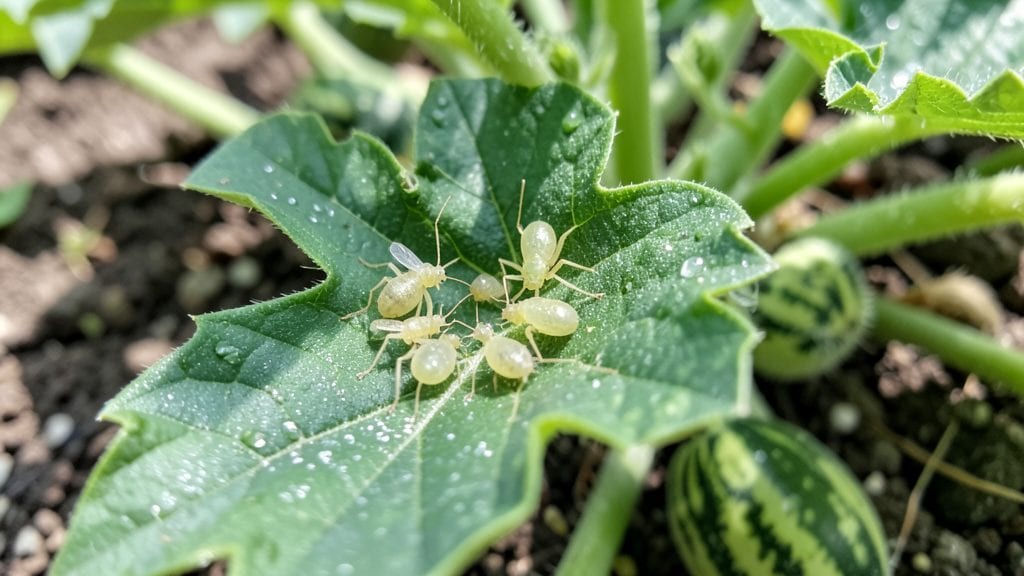
Aphids on watermelon plants can turn your harvest into a sticky, curled mess before you even notice them. I’ve seen these tiny green pests drain the life out of vines in just days—until I discovered a neem oil spray that stops them cold in 48 hours.
The key isn’t just spraying; it’s timing, concentration, and knowing when to call in reinforcements like ladybugs.
Most gardeners grab the first spray they find, but that often backfires—aphids build resistance fast. My method combines neem oil (1 tablespoon per quart of water) with a drop of dish soap as an emulsifier, applied early morning when aphids are sluggish.
Within two days, the colonies collapse, and new growth stays aphid-free. The secret? Reapply every 5-7 days until the plants harden off.
You’ll notice the difference immediately: leaves unfurl, vines thicken, and those telltale honeydew trails vanish. Watermelons resume their normal growth, and the fruit stays sweet and blemish-free. This isn’t just about saving the plants—it’s about restoring the balance in your garden so nature does the heavy lifting for you.
Works for all melons—cantaloupes, cucumbers, even squash—and fits into a preventive routine of companion planting (marigolds repel them) and regular pruning to improve airflow. No more helplessly watching your crop suffer. Let’s get those watermelons back on track.
Root Causes of Watermelon Aphids
Aphids don’t just randomly appear on your watermelon plants—they’re drawn by specific conditions that create the perfect storm for infestation. Understanding these triggers is the first step to stopping them before they take over. Let’s break down the science behind why these tiny pests target your crops.
Aphids thrive on plants that are already struggling. When watermelon vines are crowded, nutrient-deficient, or under stress, their sap becomes sweeter and more appealing to aphids. Here’s why:
- Poor Air Circulation: Dense foliage traps moisture, creating a humid microclimate that aphids love. Poor airflow also weakens plants, making them more vulnerable to pests. - Nutrient Deficiencies: Plants low in nitrogen, phosphorus, or potassium produce thinner, more tender leaves—easy pickings for aphids.
Aphids also excrete honeydew, which can attract sooty mold, further stressing the plant. - Root Disturbances: Overwatering, compacted soil, or root damage (from poor transplanting or weeds) starve plants of essential nutrients, signaling aphids that the plant is an easy meal.
Actionable Fix: Space plants 3–4 feet apart for airflow, use balanced organic fertilizer (like compost tea or fish emulsion), and ensure well-draining soil.
Aphids are polyphagous (they eat almost anything), but they have favorite snacks. If your watermelon patch is near these plants, you’re basically rolling out the welcome mat:
| Common Aphid Hosts | Why They’re Problematic |
|---|---|
| Squash, cucumbers, melons | Part of the same family (Cucurbitaceae)—aphids see them as "fast food." |
| Weeds (dandelions, clover, milkweed) | Weeds act as aphid nurseries, allowing populations to explode before moving to your watermelons. |
| Legumes (beans, peas) | High in sugars and amino acids, making them aphid magnets. |
Actionable Fix: Remove weeds within 10 feet of your watermelons and avoid planting aphid-loving crops too close together.
A healthy garden has a balance of predators that keep aphid populations in check. When these natural controls disappear, aphids multiply unchecked. Common predators include:
- Ladybugs & lacewings (devour aphids)
- Parasitic wasps (lay eggs inside aphids)
- Spiders & ground beetles (hunt them on sight)
Why They Vanish:
- Pesticide Use: Even organic sprays can temporarily reduce predator populations.
- Monoculture Gardening: Large patches of a single crop (like watermelons) offer no habitat diversity for predators.
- Extreme Weather: Freezes or droughts can wipe out beneficial insects faster than aphids.
Actionable Fix: Plant companion flowers (like marigolds, alyssum, or dill) to attract predators. Avoid broad-spectrum sprays and hand-pick aphids in early stages.
Aphids are cold-sensitive but heat-tolerant, meaning they explode in populations during mild, humid conditions. Here’s how weather plays a role:
- Cool Springs: Aphids overwinter on perennial weeds or garden debris, then migrate to new plants as temperatures rise above 50°F (10°C).
- Warm, Humid Summers: Aphids reproduce asexually (no males needed), doubling their numbers every 7–10 days in ideal conditions.
- Drought Stress: When plants wilt, their osmotic pressure drops, making sap easier for aphids to extract.
Actionable Fix: Use row covers in early spring to block migrating aphids. Mulch to retain soil moisture and reduce drought stress.
Sometimes, well-meaning gardening practices accidentally encourage aphids. Common culprits:
- Over-Fertilizing with Nitrogen: Too much nitrogen = soft, sugary leaves = aphid buffet.
(Aphids love nitrogen-rich plants!) - Ignoring Early Signs: Tiny aphids are hard to spot, but curls in leaves or sticky residue (honeydew) are red flags. - Bringing Infested Plants Home: New plants from nurseries can carry aphid eggs or nymphs hidden in stems or undersides of leaves.
Actionable Fix: Test soil before planting and avoid "quick-fix" high-nitrogen fertilizers. Inspect new plants under a hand lens before transplanting.
Aphids cluster on new growth first. Check the undersides of leaves and tender shoots weekly—this is where infestations start. If you catch them early, a blast of water or neem oil spray can stop them before they spread.
Quick Fixes for Watermelon Aphid Woes
Aphids may be tiny, but their damage can be mighty—especially when they’re feasting on your watermelon plants. The good news? You don’t need harsh chemicals to send them packing.
Below, we’ll break down practical, organic solutions tailored to the root causes of your aphid problem, from immediate action to long-term prevention. Let’s get those plants thriving again!
If your watermelons are already covered in sticky honeydew and aphids are multiplying like rabbits, act now to stop the spread.
💦 Spray Down with Soapy Water (The OG Aphid Killer)
Aphids hate soap—literally. Mix 1 tablespoon of mild liquid soap (like Castile or dish soap) with 1 quart of water in a spray bottle.
Give it a gentle shake, then drench the infested leaves (both tops and undersides, where aphids love to hide). Repeat every 2–3 days until they’re gone.
> 💡 Pro Tip: Avoid harsh soaps (like laundry detergent) or essential oils in high concentrations—they can damage plant tissue. Stick to gentle, plant-safe options.
🐞 Introduce Beneficial Bugs (Nature’s Pest Control)
Ladybugs, lacewings, and parasitic wasps are aphids’ worst nightmare. Buy them online or attract them naturally by planting dill, fennel, or marigolds nearby. Release them in the early morning or evening (they’re sensitive to direct sunlight) and watch them go to work!
> ⏰ Timing Matters: Release beneficial insects before aphids get out of control—they’ll overwhelm the infestation faster.
Once you’ve kicked the aphids out, keep them from crashing the party again with these preventive strategies.
🌿 Strengthen Your Plants (Healthy = Happy Watermelons)
Aphids target weak, stressed plants.
Boost your watermelons’ resilience with: - Balanced fertilizer: Use a low-nitrogen, high-phosphorus formula (like 5-10-10) to encourage strong roots and vines. - Consistent watering: Keep soil evenly moist (not soggy) to deter aphids, which love drought-stressed plants. - Prune regularly: Remove yellowing or damaged leaves to reduce hiding spots and improve airflow.
> 🌡️ Heat Trick: Aphids thrive in warm, dry conditions. If possible, mulch around plants to keep roots cool and soil moisture stable.
🛡️ Barrier Methods (Keep Aphids Out)
- Neem oil spray: Mix 1 tsp neem oil + 1 tsp mild soap + 1 quart water and spray weekly as a deterrent.
It disrupts aphids’ feeding and reproduction. - Reflective mulch: Use silver or aluminum mulch around plants—aphids hate bright light and will avoid it. - Row covers: If aphids are a recurring issue, cover young plants with fine mesh netting until they’re established.
> 🎯 Early Detection Wins: Check new growth daily—aphids start small! A handheld magnifying glass helps spot them before they explode in numbers.
🌱 Companion Planting (Aphid Repellents)
Plant these aphid-hating companions near your watermelons:
- Garlic & onions (strong scent confuses aphids)
- Basil (natural aphid deterrent + improves watermelon flavor)
- Chives (their smell masks watermelon’s appeal)
> 🔥 Bonus: Crushed mint leaves in the soil can also help—just avoid planting mint directly with watermelons (it’s invasive!).
If aphids keep coming back despite your efforts, consider:
- Homemade garlic spray: Blend 1 chopped garlic clove + 1 quart water, strain, and spray on plants. Reapply every 5–7 days.
- Commercial organic sprays: Look for pyrethrin-based sprays (derived from chrysanthemums) for stubborn cases.
Final Thought: Aphids may be persistent, but with soapy water, beneficial bugs, and smart prevention, you can keep your watermelon patch aphid-free—and enjoy sweet, healthy fruit all season long! 🍉💚
Frequently asked questions
How do I know if my watermelon plants have aphids?
Look for tiny green, black, or yellow insects clustered on new growth or leaf undersides. You’ll also spot sticky honeydew residue on leaves (ants love this too!). Check stems and buds—aphids hide there when disturbed. A hand lens helps spot early signs.
Will aphids kill my watermelon plants?
Not directly, but severe infestations weaken plants by draining sap, causing leaf curl and stunted growth. The real danger is secondary infections from honeydew (sooty mold) or attracting pests like ants. Act fast—aphids can double their population in 7-10 days during warm weather.
Can I use vinegar to kill aphids on watermelons?
Not safely! Vinegar’s acidity burns plant leaves while only lightly affecting aphids. Instead, use soapy water (1 tbsp soap per quart) or neem oil spray. Both target aphids without harming your plants when applied correctly.
How long does it take for neem oil to work on watermelon aphids?
Neem oil disrupts aphid feeding within 24-48 hours, but full control takes 5-7 days of repeated applications. Apply early morning/evening when aphids are least active. For stubborn cases, combine with beneficial insects like ladybugs.
Do aphids on watermelons affect the fruit quality?
Yes—they don’t bite fruit directly, but their honeydew attracts sooty mold, creating black stains on melons. Worse, stressed plants produce smaller, less sweet fruit. Early intervention keeps both leaves and fruit healthy. Prune heavily infested leaves to protect developing melons.