Light Requirements
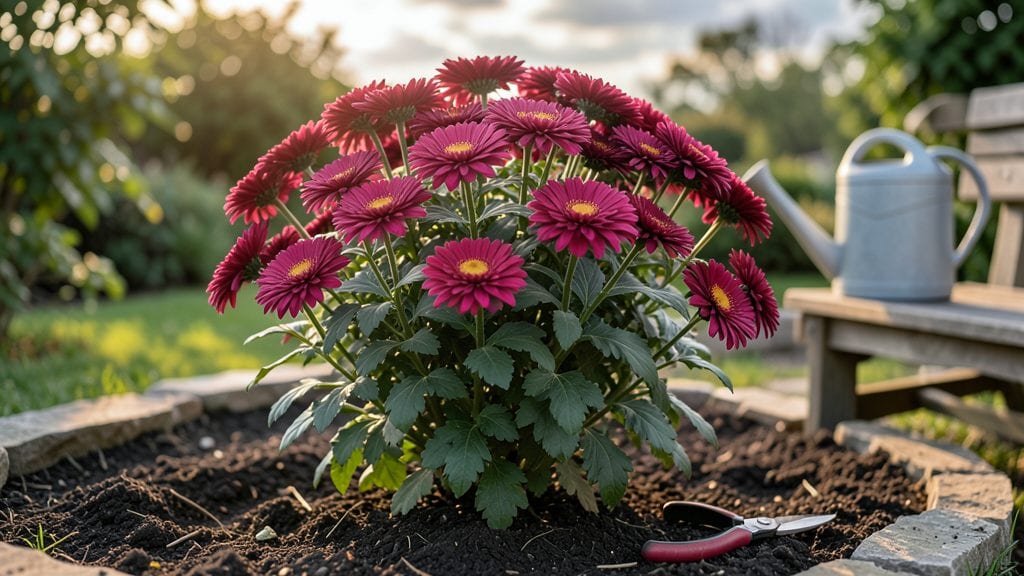
Are mums the full-sun plants you think they are, or do they need a little shade to shine brightest—especially as summer fades? 🌼
Picture this: You’ve spent weeks nurturing your mums, only for the petals to wilt under a scorching afternoon sun. Or worse, they stretch tall and leggy, barely holding a single bloom. The truth? These showstopping plants crave sunlight, but not all climates play by the same rules.
In cooler zones like 6a, mums love 6+ hours of direct sun daily, while hotter regions may need afternoon shade to prevent leaf burn. The key is balancing light with your local heat — and I’ll show you exactly how to do it without sacrificing those vibrant fall colors.
Below, I’ll break down the ideal sunlight for your mums, spot the signs of too much (or too little) light, and share pro tips to keep them blooming until frost. No guesswork, just lush, long-lasting flowers.

How much sun do mums need for optimal blooming?
Mums (chrysanthemums) thrive with 6 to 8 hours of direct sunlight daily, but their needs shift depending on your climate and location.
In hot, dry regions like Zone 9 or 10, afternoon shade helps prevent leaf scorch, while cooler zones like Zone 4 or 5 can handle full sun all day. Understanding these nuances ensures your mums bloom longer and more intensely—not just a few weeks before fading.
While mums are often labeled as full-sun plants, they’re more flexible than many gardeners realize. Partial shade (3-6 hours of sun) works for some varieties, especially in southern climates, but it usually results in smaller blooms and weaker stems.
The key is balancing light with water and soil quality to avoid stress. For example, a south-facing garden bed in the Midwest may give mums perfect conditions, while the same bed in Arizona could cause wilting by noon.
Here’s how sunlight directly impacts mum performance:
✅ More sun = Brighter colors, larger blooms, and longer vase life (up to 2 weeks). ❌ Too much sun = Leaf burn, stunted growth, and early bloom death. ⚠️ Too little sun = Leggy stems, sparse flowers, and weak plants prone to disease.
Now, let’s break down the specifics with a quick reference:
In hot climates (Zones 8–10), mums planted in full sun without afternoon shade often suffer from heat stress. I’ve seen mums in Phoenix, Arizona, wilt by 2 PM unless given dappled shade from a lattice or tree.
A simple trick? Use a lightweight shade cloth (30–50%) during peak hours to mimic natural filtering.
For cooler zones (Zones 3–6), full sun is ideal, but morning sun + afternoon shade works too. For example, a north-facing window in a container garden can provide enough light if supplemented with a grow light for 2–3 hours daily.
Test your spot: If your hand’s shadow is shorter than your fingers at noon, you’ve got full sun.
Light also affects bloom timing. Mums need 12–14 hours of daylight to trigger flowering, which is why they peak in fall. In long-day climates (e.g., Pacific Northwest), mums may bloom earlier if given supplemental light in late summer.
Conversely, in short-day climates (e.g., Southeast), they’ll wait until September or October for cooler temps to kick in.
Pro tip: Rotate containers every few days to ensure even sun exposure, especially for potted mums. Uneven light causes lopsided growth and weak stems. Also, mulch heavily (3–4 inches) to retain moisture and protect roots from temperature swings caused by too much or too little sun.
If you’re unsure about your garden’s light, try the “shadow test”: Mark a spot with a stake at solar noon (around 1 PM). If the shadow is shorter than 6 inches, it’s full sun.
Between 6–12 inches? Partial sun. Longer than 12 inches? Partial shade. This simple method saves guesswork and prevents over- or under-planting.
Remember, soil moisture matters just as much as sunlight. Mums in full sun need consistent watering (1–1.5 inches per week), while those in partial shade can go slightly longer between waterings.
Always check soil 2 inches deep—if it’s dry, water deeply. Overhead watering in hot sun can burn leaves, so use drip irrigation or soaker hoses instead.
🌼
Signs your mums aren’t getting enough (or too much) sun
Your chrysanthemums might look stunning in garden center pots, but once planted, they can quickly reveal their true light needs. If your mums aren’t blooming as they should, it’s often a sign of sunlight stress.
Too little light leads to leggy stems and sparse flowers, while too much can scorch leaves and stunt growth. Understanding these visual cues helps you adjust their placement for vibrant fall color.
First, check your mums’ stems. If they’re stretching tall and thin with few leaves, they’re reaching for more light—a classic sign of insufficient sunlight. This etiolation happens when plants don’t get their ideal 6-8 hours of sun daily.
On the flip side, crispy, brown edges on leaves mean your plants are getting too much direct sun, especially in hot afternoons. Both extremes stress your chrysanthemums and reduce their ability to produce those showstopping blooms.
⚠️
Yes—but with caution! Mums thrive in full sun (6+ hours daily), but in hot climates (Zones 8-10), afternoon shade prevents leaf scorch. In cooler regions (Zones 3-6), they tolerate morning sun + afternoon shade. Always monitor leaf color: dark green = happy, yellow = too much shade, brown = too much sun.
Another red flag? Sparse or small blooms despite healthy-looking foliage. When mums don’t get enough light, they divert energy to leaf growth instead of flower production. Even if your plants are alive, underperforming blooms mean it’s time to relocate them to a sunnier spot.
Conversely, if your chrysanthemums produce flowers but they’re tiny and lack vibrancy, they might be getting too much shade—especially if nearby plants are casting long shadows.
Don’t overlook the soil around your mums. Poor drainage combined with excessive sunlight can cause roots to suffocate, leading to wilting or yellowing leaves. If the ground stays soggy after rain, your plants may be struggling with root rot from overwatering in hot conditions.
Always pair full sun with well-draining soil to keep roots healthy. Amend clay soil with compost or sand to improve aeration and moisture control.
To fix light-related issues, start by observing your mums’ location throughout the day. Use a sunlight tracker (or a phone app) to measure actual hours of direct light. If they’re in partial shade, try moving them to a south-facing bed or container where they’ll get morning sun.
For overly sunny spots, provide afternoon shade with a lightweight shade cloth (30-50%) or nearby trees. Remember, mums are adaptable—gradual adjustments work best!
Finally, choose the right mum varieties for your light conditions. Some cultivars, like ‘Bonanza’ or ‘Mediterranean’, tolerate partial shade better than others. If you’re in a low-light garden, opt for dwarf varieties that thrive with 4-6 hours of sun.
With the right placement and care, your chrysanthemums will reward you with bold, long-lasting blooms all season long. 🌼