Blooming
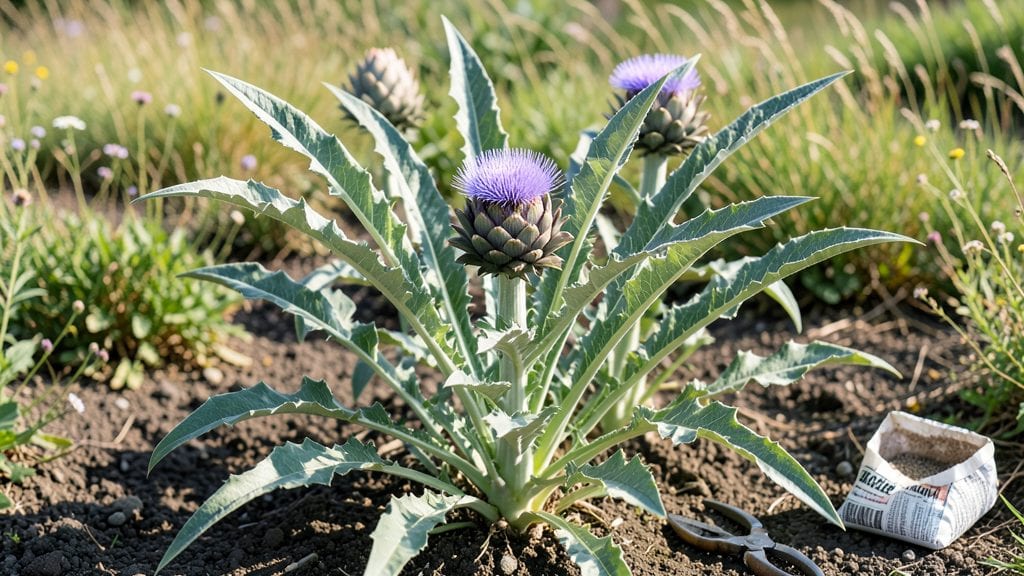
Getting those artichoke plant blooms to open means understanding the plant’s stubborn rhythm—it’s not just about patience, but the right balance of light, water, and a little strategic trimming.
I’ve watched my first artichoke buds form into those dramatic purple thistles, only to wilt away when I ignored the early warning signs. The key isn’t fussing over every leaf, but creating the ideal conditions so the plant focuses on blooming instead of struggling.
Artichokes thrive in full sun (at least 6-8 hours daily) and well-draining soil with a pH between 6.5 and 7.5. Water deeply once a week, letting the top 2 inches of soil dry out between sessions—too much moisture stresses the plant, while too little causes buds to drop.
Pruning isn’t about heavy trimming; it’s about removing spent blooms and any leggy growth to redirect energy toward new buds. Think of it like giving the plant a haircut to keep it focused.
When done right, you’ll see those glossy green buds swelling into vibrant purple blooms by mid-summer, with secondary blooms appearing into fall. The first sign of trouble? Buds that turn yellow or brown before opening—usually a sign of underwatering or root stress.
But with consistent care, you’ll get a harvest that lasts 3-4 months, and the plant will reward you with bold, edible blooms that turn heads (and taste even better).
This method works for both globe artichokes and Jerusalem artichokes, though the latter focus more on tubers than flowers. Whether you’re growing in containers or garden beds, the principles stay the same—just adjust watering slightly for pots. Let’s get those artichokes blooming like they mean it.
📚 In This Guide
- What you need
- Instructions
- Tips and common mistakes
- Wrapping up and next steps
What you need
- ● Artichoke plants: 2–3 healthy nursery-grown Cynara cardunculus (globe artichoke) plants (choose varieties like 'Green Globe' or 'Romanesco' for reliable blooms).
- ● Well-draining soil: 5–10 bags (2–3 cubic feet each) of a mix like 50% garden soil, 30% compost, and 20% perlite or coarse sand (artichokes hate soggy roots!).
- ● Sunlight access: A full-sun location (6+ hours of direct sunlight daily)—no substitutes!
- ● Watering can or hose: With a gentle spray nozzle (artichokes prefer deep but infrequent watering).
- ● Fertilizer: 1 lb. of balanced organic fertilizer (10-10-10) or
- ● 1 lb. of composted manure (chicken or cow) for nutrient-rich soil.
- ● Mulch: 2–3 bags of straw or wood chips (to retain moisture and suppress weeds).
- ● Pruning shears: Bypass-style shears (sharp, 6–8" blades) for clean cuts.
- ● Support stakes: 3–4 bamboo or metal stakes (5–6 ft. tall) to secure tall stems if needed.
- ● Plant food: Seaweed extract or fish emulsion (for a mid-season bloom boost).
- ● Row cover: Lightweight frost cloth (to protect young blooms in chilly climates).
- ● Gloves: Heavy-duty gardening gloves (artichoke thorns are not for the faint of heart!).
- ● pH test kit: To ensure soil pH is 6.5–7.5 (slightly alkaline is ideal).
Instructions for encouraging artichoke plant bloom through strategic pruning
Here’s the straightforward approach I’ve used to coax abundant artichoke blooms year after year—no guesswork, just proven techniques.
Identify and Remove Suckers for Stronger Growth
Artichoke plants produce vigorous side shoots called suckers that drain energy from your main stem. Within 2-3 weeks of planting, you’ll spot these small shoots emerging from the base or along the stem. Use sharp pruning shears to snip them off at the base—never leave a stub. This redirection of energy ensures the primary stem develops robust buds.
I check for suckers weekly during early growth. If left unchecked, they’ll compete with your main plant for nutrients, resulting in fewer blooms. Focus on removing any shoot smaller than 1/4 inch in diameter to avoid unnecessary stress on the plant.
Prune Lower Leaves to Improve Airflow and Light
Once your artichoke plant reaches 18-24 inches tall, begin removing the lower leaves—those closest to the ground. Strip away any yellowing or damaged foliage first, then work upward, leaving only the top 12-18 inches of leaves intact. This practice prevents fungal diseases by improving airflow and directs sunlight to the developing buds.
I use my fingers to gently twist leaves off rather than cutting, which minimizes damage to the stem. Aim to expose about half the stem by midseason. You’ll notice new side shoots emerging higher up—these are less aggressive than suckers and can be left to develop.
Thin Flower Buds to Encourage Larger Harvests
Artichoke plants produce multiple buds, but not all will mature into quality harvests. Once buds form—typically 6-8 weeks after planting—select the 3-4 largest, healthiest buds per plant and remove the rest. Use clean pruners to cut buds at their base, ensuring no sap bleeds onto remaining buds.
This step is crucial: overcrowded buds compete for resources, resulting in smaller, less flavorful artichokes. Watch for buds that appear plump and tightly packed—these are your winners. Thin in the morning when buds are firm and dew has evaporated, reducing stress on the plant.
Maintain Pruning Through the Growing Season
Continue monitoring your plant weekly for new suckers or excessive leaf growth. In late summer, when buds begin to open, prune any remaining leaves that shade the developing artichokes. Aim to leave just enough foliage to protect the buds from direct sun while allowing airflow.
I also remove any flower stalks that emerge without buds, as these divert energy away from your harvest. By early fall, your plant should have 3-5 well-formed artichokes ready for picking. Prune lightly at this stage to encourage any late-season regrowth, though yields will be minimal.
Prepare for Dormancy and Next Year’s Blooms
As temperatures drop below 50°F, artichoke plants enter dormancy. Before the first frost, cut back all remaining foliage to 6 inches above the ground. This prevents disease overwintering and allows the plant to redirect energy to its roots for next season.
Mulch the base with 2-3 inches of organic matter to insulate roots during winter. In spring, resume pruning as buds emerge, and you’ll see stronger growth and more abundant blooms. The key is consistency—prune early, prune often, and your artichoke plant will reward you with year-round beauty.
Tips & tricks for encouraging artichoke plant bloom
Few gardening techniques transform an ordinary artichoke plant into a prolific bloomer like strategic pruning. Here’s what I’ve learned after years of trial and error—and how to apply it with confidence.
Timing is Everything: In Step 1, those first 2-3 weeks after planting are critical for sucker removal. I’ve found that waiting even a week too long lets suckers establish their own root systems, making them harder to remove cleanly. Use a magnifying glass if needed—some shoots are barely visible but still siphoning energy. The goal is to redirect all resources to your main stem before it commits to lateral growth.
The Leaf Exposure Technique: When pruning lower leaves in Step 2, aim to expose about half the stem by midseason—not just for aesthetics, but to create a microclimate that prevents fungal spores from lingering. I’ve seen dramatic improvements in bud formation when plants receive this balanced sunlight exposure. If your climate is particularly humid, consider pruning on dry mornings to minimize stress on the plant.
Bud Selection Criteria: During Step 3’s bud thinning, look for buds that are firm to the touch and uniformly shaped—these are your best candidates for quality harvests. I’ve noticed that buds with slight indentations at the base (where the stem meets the bud) tend to develop more evenly. Avoid selecting buds that appear lopsided or have visible damage, as these are less likely to mature properly.
Seasonal Adjustments: In Step 5, the 50°F threshold isn’t just about frost—it’s when artichoke plants shift their energy priorities. I’ve learned to time my final pruning just before this temperature drop, allowing the plant to store nutrients in its roots while still maintaining some foliage for photosynthesis. This preparation makes spring regrowth significantly more vigorous.
Pro Tips for Artichoke Plant Bloom
- Few gardening techniques transform an ordinary artichoke plant into a prolific bloomer like strategic pruning.
- Timing is Everything: In Step 1, those first 2-3 weeks after planting are critical for sucker removal.
- The Leaf Exposure Technique: When pruning lower leaves in Step 2, aim to expose about half the stem by midseason—not just for aesthetics, but to create a microclimate that prevents fungal spores from lingering.
Frequently asked questions
How often should I prune my artichoke plant to encourage blooms?
Prune lightly after the first flush of blooms fades to redirect energy to new growth. Aim for every 4–6 weeks during active growing seasons (spring/fall). Avoid heavy pruning—focus on removing dead or leggy stems while preserving the plant’s natural shape. Over-pruning stresses the plant and can reduce blooms.
When is the best time of year to plant artichokes for optimal blooming?
Plant in early spring (after the last frost) or late summer for two blooming cycles. Artichokes thrive in mild climates (USDA Zones 7–10) and prefer 6–8 hours of sunlight daily. If you’re in a cooler zone, start seeds indoors 8–10 weeks before the last frost for a head start.
Why aren’t my artichoke plants blooming—what could be wrong?
Common culprits include:
- Insufficient sunlight: Move to a sunnier spot (6+ hours/day).
- Poor soil: Amend with compost for nutrients (artichokes love well-draining, slightly alkaline soil).
- Overwatering: Let soil dry slightly between waterings to prevent root rot.
- Young plants: First-year plants often focus on foliage—blooms typically appear in year two.
Can I grow artichokes in containers, and will they still bloom?
Choose a large pot (at least 12–18 inches deep) with drainage holes. Dwarf varieties like ‘Green Globe’ thrive in containers. Ensure the pot gets full sun and use container-specific potting mix. Blooms may be slightly smaller, but container-grown artichokes can still produce 20–30 flowers per season with proper care.
Are there artichoke varieties that bloom more prolifically with less effort?
Yes! Opt for perennial varieties like ‘Romanesco’ or ‘Violetto’—they’re hardier and rebound well after pruning. For low-maintenance blooms, try ‘Green Globe’ (annual) or ‘Conquero’ (disease-resistant). These varieties balance beauty and resilience, requiring minimal pruning while delivering vibrant, long-lasting blooms.
Wrapping up and next steps
Watching your artichoke plant bloom year-round is a rewarding experience that blends beauty with minimal effort! With the right variety, soil, and occasional pruning, you can enjoy vibrant blooms while keeping maintenance simple.
Whether you’re growing Cynara cardunculus for their striking flowers or edible artichokes, this low-maintenance plant proves that stunning gardens don’t require constant upkeep.
Ready to dive in? Start by selecting your favorite artichoke variety and gathering your supplies—then, let nature do the rest! 🌿✨ Your blooming oasis awaits!