Pruning
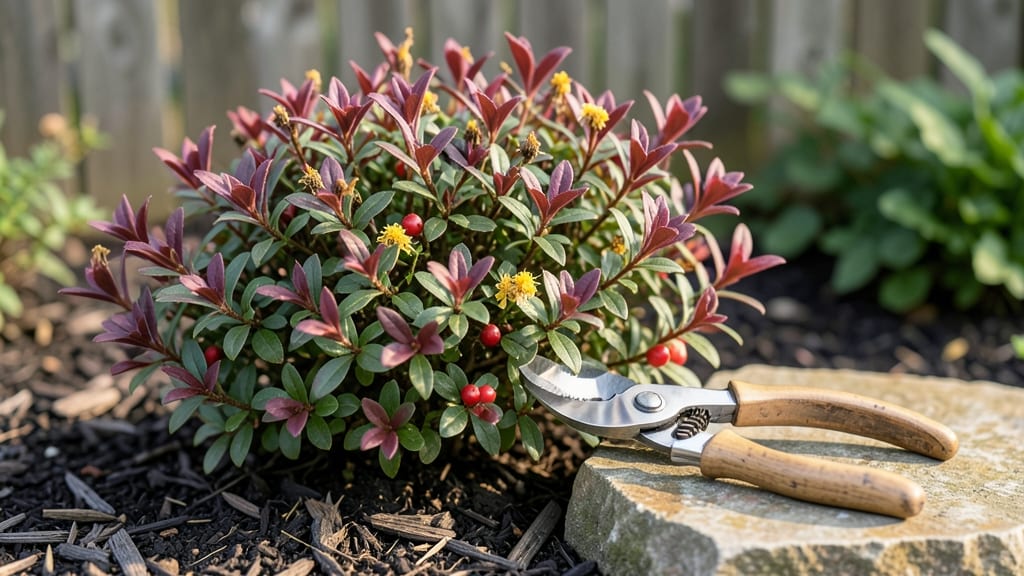
Pruning barberry plants transforms them from scraggly shrubs into neat, bushier powerhouses—and the secret lies in three strategic cuts across the seasons. 🌿 I’ve pruned mine for years, and the difference between a wild, leggy mess and a thriving, dense hedge comes down to timing, technique, and a little patience.
The key isn’t just when you cut, but how—whether you’re encouraging new growth in spring or cleaning up winter damage.
You’ll need just three tools: sharp bypass pruners (for clean cuts), heavy-duty gloves (barberry thorns are no joke), and a small bucket to collect clippings. The real magic happens in late winter, early spring, and midsummer, when the plant’s energy shifts between dormancy, new growth, and flowering.
Each season targets a different goal—removing dead wood, shaping for airflow, or pinching back to encourage fuller branches.
After pruning, your barberry will reward you with thicker foliage, brighter berries, and fewer pests—but only if you avoid the two biggest mistakes: cutting into old wood (which won’t regrow) and over-pruning (which stresses the plant).
A light hand and a sharp eye make all the difference. The results? A shrub that stays compact, stays healthy, and stays neighborhood-jealousy levels of lush.
This method works for all barberry varieties, from dwarf cultivars to tall hedges, and adapts easily to different climates. Whether you’re shaping a privacy screen or tidying up an overgrown corner, the same principles apply. Let’s get those shears ready—your barberry’s best look starts with a few well-placed cuts.
📚 In This Guide
- What you need
- Instructions
- Tips and common mistakes
- Wrapping up and next steps
What you need
- ● Pruning shears: Bypass pruners (for clean cuts on stems up to ½ inch thick) – 1 pair (high-quality, stainless steel blades).
- ● Loppers: For thicker branches (½ to 1½ inches) – 1 pair (with long handles for reach).
- ○ Hand pruners: Anvil-style (for small twigs) – 1 pair (optional but handy for precision).
- ● Gloves: Heavy-duty, cut-resistant (to protect from thorns) – 1 pair (nitrile-coated for grip).
- ● Disinfectant: Rubbing alcohol (70%+) or bleach solution (1 part bleach to 9 parts water) – small spray bottle (to sterilize tools between cuts).
- ○ Rake or broom: For clearing debris – 1 (optional but helpful for cleanup).
- ○ Pruning sealant: (e.g., Tree Wound Pruning Seal) – small tube (optional, for large cuts to prevent disease).
- ● Weather check: Prune on a dry, overcast day (avoid wet or windy conditions).
- ● Timing: Align with your 3-season trim schedule (early spring, late summer, or early winter).
- ● Safety first: Wear long sleeves and closed-toe shoes (barberry thorns are sharp!).
- ● Sharp tools: Hone blades before starting (dull tools crush stems, inviting disease).
Step-by-step guide for pruning barberry plants
Barberry thrives when you prune strategically—here’s how to shape it for fuller growth.
✂️ Step 1: Late Winter Cleanup (First Trim)
Start in late winter (just before buds swell) to remove dead or crossing branches. I use sterilized pruners to cut at a 45-degree angle just above a bud or leaf node. This ensures clean wounds that heal faster—no jagged cuts that invite disease. Focus on branches that died over winter; they’ll be brittle and snap easily when bent.
Remove any branches growing toward the center of the plant—they’ll compete for light and weaken the bush’s structure. I also thin out crowded stems to improve airflow, which prevents fungal issues. Never remove more than one-third of the plant in a single season; barberries are tough but not invincible.
☀️ Step 2: Mid-Summer Light Pruning (Second Trim)
In mid-summer, when the plant is actively growing, do a light trim to encourage branching. Look for long, leggy stems—these need shortening to promote bushier growth. Cut back by one-third of their length, always making cuts just above a leaf node. This redirects energy to lateral branches, giving you that dense, rounded shape.
I also remove any flower clusters that appear after mid-June—this prevents fall blooms from sapping energy the plant needs to harden off for winter. Watch for new shoots growing from the base; these are called "suckers" and should be pruned at the soil line to prevent overcrowding.
⏰ Step 3: Fall Renewal (Third Trim)
After leaves drop in fall, do a final light trim to remove any weak growth from the season. Cut back any stems that grew too vigorously in summer, shortening them by half their length if needed. This keeps the plant compact and prepares it for dormancy. I also remove any dead or diseased stems—barberries are prone to rust, so early removal stops spores from spreading.
Leave the plant with an open, airy structure—this prevents moisture from lingering in dense foliage over winter. If your barberry has thorns, wear gloves during this step; they’re sharper after summer growth. Mulch around the base with 2-3 inches of organic mulch to protect roots from freezing temperatures.
🌿 Step 4: Year-Round Maintenance (Ongoing Care)
Between trims, monitor the plant for suckers (new shoots at the base) and remove them immediately. These steal nutrients from the main plant. I also check for pests like spider mites—a strong jet of water usually knocks them off, but severe infestations need neem oil treatment.
Barberries respond well to pruning if done correctly. After three seasons of this method, you’ll see a fuller, healthier plant with vibrant foliage and fewer bare spots. The key is consistency—skip a season, and the plant will revert to its natural, less dense form.
Tips & tricks for perfect barberry pruning
These seasoned strategies will help you transform your barberry into a lush, thriving shrub with minimal effort.
Cutting Angle Matters: When making your pruning cuts in late winter, always aim for that precise 45-degree angle just above a bud or leaf node. This isn't just about aesthetics—it's about directing the plant's growth energy where you want it. I've seen too many gardeners make straight-across cuts that leave ugly stubs and create entry points for diseases. The 45-degree angle also helps water run off cleanly, preventing rot. Remember, the goal is clean wounds that heal quickly, not jagged openings that invite trouble.
Seasonal Timing Secrets: The three-season approach works because each trim serves a specific purpose. In late winter, you're removing deadwood before new growth begins. Mid-summer pruning redirects energy to create that bushier shape, while fall's final trim prepares the plant for dormancy. Pro tip: If you miss a season, don't panic—just adjust your pruning focus in the next season. For example, if you skipped winter cleanup, prioritize removing dead branches in summer to prevent disease buildup.
Pruning Tools Essentials: Your pruners should be sharper than your gardening ambitions. Dull blades crush stems instead of making clean cuts, which damages the plant tissue. Sterilize your tools between cuts using rubbing alcohol or a 10% bleach solution to prevent spreading diseases like rust. For larger branches, consider using loppers—just make sure they're the right size for your barberry's stems. I keep a small pair of hand pruners in my gardening bag for quick touch-ups between seasons.
Mulching Strategy: That 2-3 inch layer of organic mulch around your barberry's base isn't just for show—it's a winter survival tactic. The mulch acts as insulation, protecting roots from temperature fluctuations that can stress the plant. I like to use shredded bark or wood chips because they break down slowly, adding nutrients to the soil over time. Just be careful not to pile mulch against the stems, as this can cause rot. Keep it 2-3 inches away from the plant's base for optimal protection.
Pro Tips for Barberry Plant Pruning
- These seasoned strategies will help you transform your barberry into a lush, thriving shrub with minimal effort.
- Cutting Angle Matters: When making your pruning cuts in late winter, always aim for that precise 45-degree angle just...
- Seasonal Timing Secrets: The three-season approach works because each trim serves a specific purpose. In late winter,...
Frequently asked questions
Got questions about pruning your barberry? You’re not alone!
Here are answers to the most common concerns—from timing to troubleshooting—to help you keep your plants thriving.
When is the best time to prune barberry plants?
Barberry pruning works best in early spring (before new growth starts), late winter (just after dormancy), or summer (after flowering). Avoid heavy pruning in fall—it can stimulate tender new growth that won’t survive winter. For container-grown barberries, you can prune lightly year-round.
How much can I trim back my barberry without harming it?
Barberries are tough! You can safely remove up to one-third of the plant’s total growth in a single season. For shaping, focus on cutting back overgrown branches to the nearest bud or lateral branch. Avoid "topping" (cutting back to a stub)—this stresses the plant. If you’re rejuvenating an old barberry, spread out pruning over 2-3 years to avoid shock.
Why are my barberry leaves turning yellow after pruning?
Yellowing leaves post-pruning are usually normal if the cuts are clean and the plant isn’t stressed. However, if it’s widespread, check for:
- Over-pruning: Too much at once can shock the plant.
- Pests/disease: Look for spider mites or fungal spots (like powdery mildew).
- Nutrient deficiency: Amend soil with compost or use a balanced fertilizer.
Can I prune barberry for hedges differently than for shrubs?
Yes! For hedges, prune new growth regularly (every 4-6 weeks) to maintain shape. Use hedge shears for clean cuts and avoid "shearing into old wood" (which can kill branches). For shrubs, focus on removing dead, crossing, or weak branches and thinning out the center for airflow. Hedges need more frequent light trims; shrubs tolerate heavier seasonal cuts.
What if I skip pruning my barberry entirely?
Barberries are low-maintenance, but skipping pruning can lead to:
- Overcrowded, leggy growth.
- Reduced flowering (if pruned properly, they bloom more!).
- Increased pest/disease risk from dense foliage.
- Weaker structure (older branches may die back).
Wrapping up and next steps
Mastering the art of barberry plant pruning is your ticket to a lush, healthy shrub that thrives year after year! 🌿 By following a three-season trim—lightly shaping in early spring, maintaining mid-season, and cleaning up in late fall—you’ll encourage bushier growth and keep pests at bay.
Remember, confidence comes with practice, so don’t hesitate to grab those pruners and get hands-on.
Ready to transform your barberry into a standout star in your garden? Start small—pick one season to focus on first, then build your skills. Happy pruning! ✂️🌟