Planting
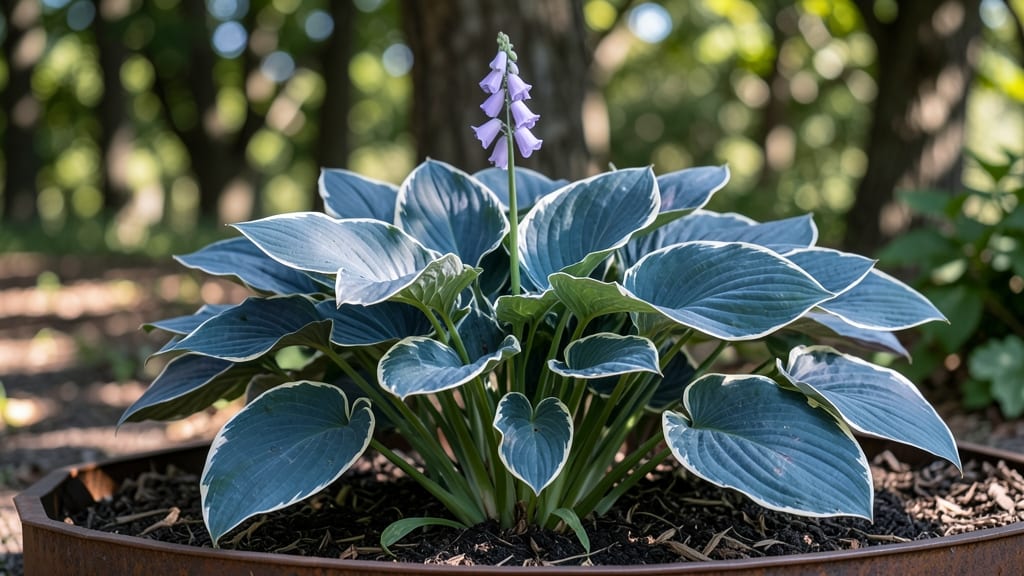
Hosta plants are toxic to pets and children because their leaves contain harmful saponins and oxalates, which can trigger vomiting, diarrhea, and mouth irritation if chewed or ingested. Always place them out of reach and consider safer options like spider plants or African violets for households with kids or animals.
These plants pose a particular risk to curious pets like dogs and cats, whose smaller bodies react more severely to the toxins. 🐾 The saponins create a soapy taste that often attracts animals, while oxalates can cause painful swelling in the mouth or throat.
Even a small bite can lead to discomfort, so keeping hostas in elevated planters or fenced garden beds is a smart precaution. If you love their lush foliage but worry about safety, shade-loving alternatives like ferns or impatiens offer similar visual appeal without the hazards.
💡 In This Article
- Toxic Compounds in Hosta Plants Explained
- Safe Garden Alternatives to Hosta Plants
Toxic compounds in hosta plants explained
Hosta plants contain two primary toxins: saponins and oxalates, both of which trigger adverse reactions in pets and children. Saponins create a bitter, soapy taste that often attracts animals, while oxalates can cause painful irritation in the mouth and throat.
These compounds are concentrated in all parts of the plant—leaves, stems, and even roots—making every part potentially hazardous. 🌱
Saponins work by disrupting cell membranes, leading to gastrointestinal distress like vomiting and diarrhea. In dogs, even a small amount (about 0.1% of their body weight) can cause symptoms.
Oxalates, on the other hand, bind to calcium in saliva, forming sharp crystals that irritate tissues and cause excessive drooling or swelling. Cats are particularly vulnerable because their smaller size means even tiny bites can deliver a concentrated dose of toxins.
Children face similar risks, though their reactions may vary based on age and sensitivity. A curious toddler might taste a leaf, triggering mild irritation, while a larger child could ingest enough to cause stomach upset.
The key difference is that pets often chew or consume larger quantities due to their exploratory nature. Always monitor interactions between children or animals and hostas, especially in gardens or patios where access is easy.
Symptoms typically appear within 6-12 hours of ingestion and include drooling, nausea, vomiting, and difficulty swallowing. Severe cases—rare but possible—can lead to dehydration or kidney issues, particularly in small pets.
If you suspect poisoning, contact a vet immediately. Avoid inducing vomiting unless instructed, as this can worsen throat irritation from oxalates.
Interestingly, hostas’ toxicity isn’t uniform across varieties. Some cultivars contain slightly lower concentrations of saponins, but no hosta is entirely safe. For example, the 'Francee' variety has a reputation for being less palatable to pets, but this doesn’t guarantee safety.
The only true solution is to keep hostas out of reach or replace them with non-toxic alternatives like lamb’s ear or heuchera, which offer similar shade-loving beauty without the risks.
Here’s what’s actually happening chemically: Saponins act like detergents, breaking down cell walls in the digestive tract, while oxalates form insoluble crystals that damage tissue. This dual mechanism explains why symptoms can range from mild discomfort to severe reactions.
Understanding these processes helps explain why some pets recover quickly while others need veterinary care.
If you love hostas but have pets, consider elevated planters or fenced garden beds. A 4-foot-high barrier can deter most dogs and cats from accessing the plants. For extra safety, opt for pet-friendly ground covers like creeping thyme or sweet woodruff, which add texture and fragrance without toxicity. 🌿