Fertilization
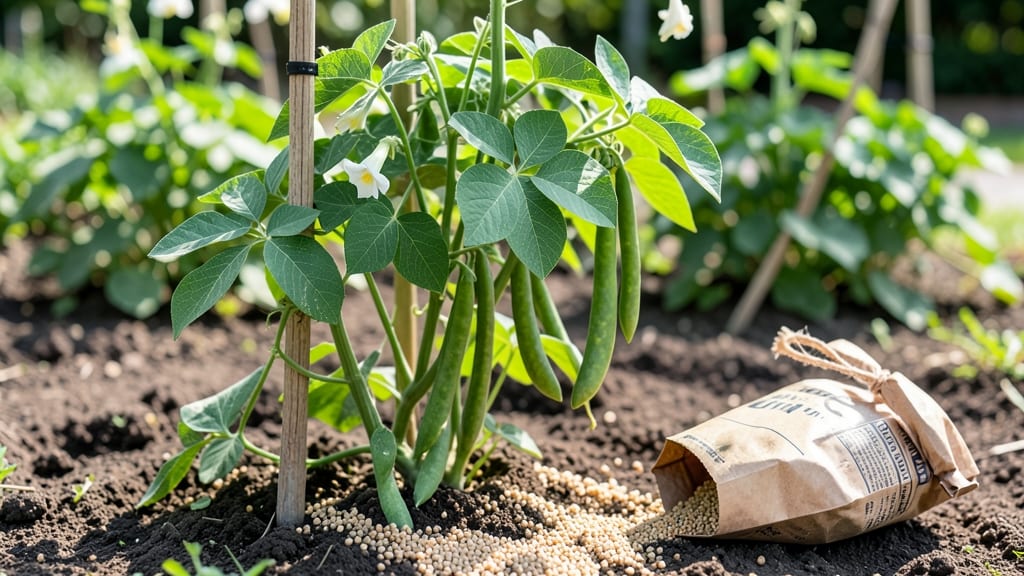
The right bean plant fertilizer is the secret weapon behind those plump, snappy pods you’ve been dreaming of 🌱—and skipping it means watching your harvest stay stubbornly small.
Struggling to get your bean plants to produce abundant, high-quality pods? The right fertilizer blend—especially the nitrogen-potassium balance—can transform your harvest from meager to magnificent.
Beans aren’t just picky; they’re sensitive to overfeeding. Too much nitrogen sends them into leafy overdrive, while too little potassium weakens stems and stunts pod growth. Get it wrong, and you’ll end up with lush foliage but no beans to harvest.
In this guide, I’ll break down the exact fertilizer ratios, organic vs. synthetic options, and the best times to feed your plants—so you can finally enjoy a garden bursting with fresh, homegrown beans.


Understanding nitrogen-potassium ratios for bean plant growth and pod production
When growing beans, the nitrogen-potassium (N-K) ratio in your fertilizer is one of the most critical factors determining whether your plants will produce lush foliage or abundant pods.
Too much nitrogen (N) leads to excessive leaf growth at the expense of pod development, while potassium (K) deficiency can stunt flowering and fruit set. Getting this balance right is key to maximizing your harvest.
Beans are legumes, which means they can fix their own nitrogen through root nodules. However, they still require a balanced NPK fertilizer to support vigorous growth and pod production.
The ideal ratio depends on your bean variety—bush beans and pole beans have slightly different needs—and the growth stage of your plants.
Here’s how to optimize your fertilizer strategy for leafy growth vs. pod production using the right nitrogen-potassium ratios:
Nitrogen (N) promotes leaf and stem growth, which is essential during the early stages of plant development. However, too much nitrogen can delay flowering and pod formation. Potassium (K), on the other hand, supports root health, disease resistance, and the translocation of nutrients into developing pods.
During the vegetative stage (first 4-6 weeks), beans benefit from a slightly higher nitrogen ratio to build strong foliage. Once flowering begins, shift to a balanced or potassium-rich fertilizer to encourage pod development and prevent nutrient deficiencies.
For bush beans, which have a shorter growing season, a 5-10-10 NPK ratio works well throughout their lifecycle. Pole beans, which require more time to mature, may benefit from a 3-10-10 or 5-10-15 ratio to support their longer growth cycle and higher pod yield.
Over-fertilizing with nitrogen can lead to leafy but barren plants, while potassium deficiency may cause weak stems, poor flowering, and small pods. Always monitor your plants for signs of imbalance, such as yellowing leaves (nitrogen deficiency) or brown leaf edges (potassium deficiency).
In the table below, I’ve outlined the ideal NPK ratios for different bean varieties and growth stages, along with application tips to help you fine-tune your fertilization strategy.
Pro Tip: Always apply fertilizer in the early morning to minimize leaf burn and ensure nutrients are absorbed efficiently. Water your plants thoroughly before and after fertilizing to help distribute nutrients evenly.
summary-table
If you’re growing beans in container gardens, use a water-soluble fertilizer with a 5-10-10 ratio during the vegetative stage and switch to a potassium-rich fertilizer once flowering begins. Containers dry out faster, so always monitor soil moisture to avoid nutrient lockout.
For organic gardeners, composted manure, wood ash (for potassium), and banana peel tea are excellent natural sources of nitrogen and potassium. Apply compost at planting time and use banana peel tea as a foliar spray during flowering to boost potassium levels.
One common mistake is over-fertilizing with nitrogen late in the season, which can lead to excessive foliage but fewer pods. Always reduce nitrogen applications as your plants transition from vegetative growth to flowering. Instead, focus on potassium and phosphorus to support pod development and root strength.
To test your soil’s nitrogen and potassium levels, conduct a simple DIY soil test using a home testing kit. If your soil is deficient in potassium, consider adding greensand or kelp meal to your fertilizer regimen. For nitrogen, alfalfa meal or blood meal are great organic amendments.
Remember
Best organic and synthetic fertilizers for bean plants by growth stage
Bean plants thrive when their nutrient needs align with their growth stages. During germination, they require minimal nutrients, but as they transition to vegetative growth, flowering, and pod development, their fertilizer needs shift dramatically.
Organic options like compost and banana peel tea provide slow-release nutrients, while synthetic fertilizers like 5-10-10 offer quick fixes for specific deficiencies. Choosing the right blend at each stage ensures lush foliage and bountiful pods.
For germination, focus on light feeding with compost tea or a diluted fish emulsion to kickstart root development without overwhelming tender seedlings. As plants enter vegetative growth, they crave nitrogen-rich fertilizers like alfalfa meal or a 10-10-10 blend to fuel leafy expansion.
During flowering and pod development, switch to potassium-heavy options like wood ash or 0-0-50 to boost fruit production.
⚠️ PROS-CONS BOX: Organic vs. Synthetic Fertilizers for Beans
- Improves soil health long-term
- Slow-release nutrients prevent burns
- Enhances microbial activity
- Precise nutrient ratios for quick results
- Compact and easy to store
- Works in any soil type
- Slower to show results
- May require larger quantities
- Can attract pests if overused
- Risk of over-fertilization
- No soil health benefits
- Can disrupt microbial balance
For germination, I recommend a compost-based starter mixed into the soil at planting. This provides gentle, microbe-rich nutrition without shocking delicate roots. Once seedlings emerge, switch to a 5-10-10 synthetic fertilizer to encourage balanced growth.
During flowering, a banana peel tea (rich in potassium) or wood ash can work wonders for blooming and pod set.
In the pod development stage, prioritize potassium-rich fertilizers like 0-0-50 or kelp meal to strengthen plant structures and improve pod quality. Avoid high-nitrogen fertilizers here—they’ll promote leafy growth at the expense of harvestable pods. For a slow-release option, try cottonseed meal, which breaks down gradually over weeks.
To maximize your bean harvest, test your soil’s pH (6.0-7.0 ideal) and adjust with lime or sulfur before planting. Organic fertilizers like alfalfa meal or worm castings are excellent for continuous feeding, while synthetic options like 10-20-20 deliver fast results when plants need a boost.
Always water fertilizers in thoroughly to prevent root burn.
Remember: Less is more with beans. Over-fertilizing—especially with nitrogen—leads to lush foliage but fewer pods. Monitor your plants closely and adjust your fertilizer strategy based on their growth stage and visual cues, like yellowing leaves (nitrogen deficiency) or weak stems (potassium deficiency).
With the right approach, your bean plants will reward you with a bountiful harvest! 🌱