How To
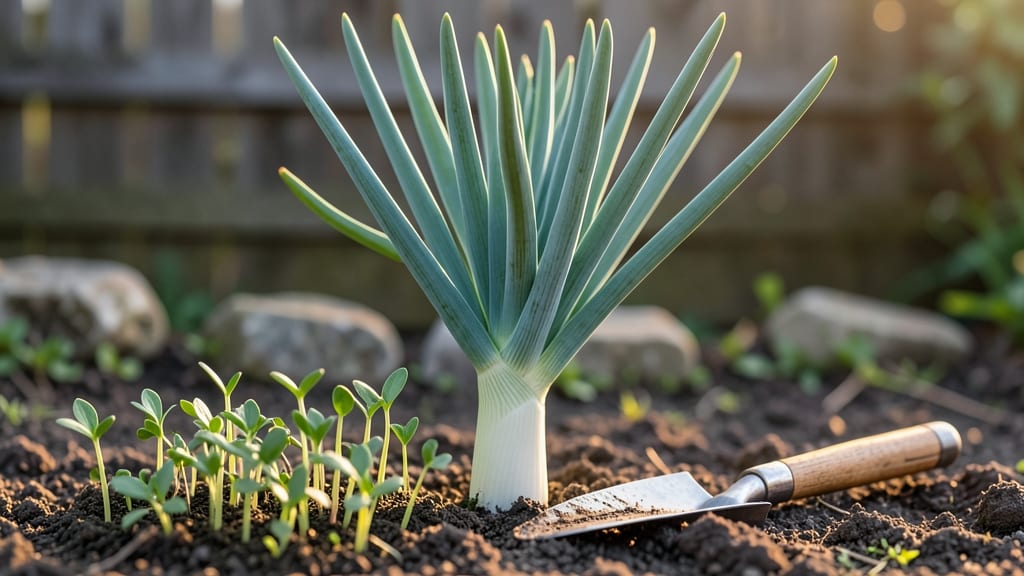
Proper leeks planting distance is the foundation of thick, flavorful stems — and the difference between a bumper crop and a garden full of spindly, underwhelming plants.
Struggling with thin, spindly leeks? The secret to thick, robust stems starts with proper planting distance—get it wrong, and you risk stunted growth or pest infestations. Here’s how to space leeks for maximum yield and minimal hassle.
In USDA Zone 6a, where spring planting runs from March to April, spacing leeks correctly means fewer weeds, better airflow, and stems that thicken naturally. Too close, and they’ll compete for nutrients; too far apart, and you’ll waste space.
Below, I’ll break down the ideal spacing for seedlings, mature plants, and how to adjust for soil type or climate. You’ll also learn how to thin them right the first time—no guesswork, just thick, delicious leeks by harvest season.


Optimal leeks planting distance by growth stage: from seedlings to mature plants
Leeks are one of those versatile vegetables that reward patience—but only if you get the spacing right. Too close, and you’ll end up with thin, weak stems fighting for nutrients. Too far apart, and you waste garden space.
The key is adjusting distances as your leeks grow, from seedlings to mature plants. Let’s break it down by stage so you can plan your garden like a pro.
When you first sow leek seeds, they need room to germinate without competing. But as they grow, their spacing needs change dramatically. For example, thinning seedlings too early can stunt their development, while waiting too long risks overcrowding.
The goal? Thick, pencil-sized stems by harvest time—achievable only with precise spacing at each stage.
Here’s the golden rule: Start with wider spacing for seeds, then narrow it as you thin. But how much exactly? The numbers might surprise you—especially if you’ve only grown leeks in rows without adjusting for their growth habits.
Let’s dive into the stage-by-stage spacing guide that’ll transform your leek harvest.
🌱
At the seedling stage, leeks need breathing room—sow them 6–12 inches apart in rows spaced 12–18 inches apart. This might seem generous, but remember: leeks are slow starters.
Giving them space early means they won’t compete for sunlight or nutrients, setting them up for stronger roots and thicker stems later. Pro tip: Use a seed tape or mark rows with sticks to maintain consistency.
When your leeks reach 4–6 weeks old, it’s time for the thinning phase. This is where many gardeners trip up—either thinning too early (which stresses young plants) or too late (leading to overcrowding). Aim for 3–4 inches apart between stems.
Use sharp scissors to snip weaker seedlings at soil level, leaving the healthiest, straightest stems to thrive. Think of it like pruning a hedge: you’re shaping the future harvest.
By 6–8 weeks, your leeks should be tall enough to blanch their stems. This means mounding soil around the lower half of the stem to encourage paler, sweeter growth.
At this stage, increase spacing to 4–6 inches apart to give each plant room to bolster its stem diameter. Overcrowding now will lead to long, thin leeks that lack the robust texture you crave.
If your garden space is tight, consider interplanting with fast growers like radishes or lettuce until the leeks mature.
Finally, at 10+ weeks, your leeks should be ready for their final spacing of 6–8 inches apart. This is the sweet spot for mature plants: close enough to maximize yield but far enough to prevent disease spread and pest attraction.
If you’re growing leeks in containers, space them 8–12 inches apart to account for root competition in limited soil.
One common mistake? Assuming one-size-fits-all spacing. For example, giant leek varieties like ‘King Richard’ need the full 8-inch spacing, while smaller types like ‘American Flag’ can handle 4–6 inches.
Always check your seed packet for variety-specific recommendations—it could mean the difference between thin, stringy leeks and plump, restaurant-worthy stems. 🧅
Proper spacing isn’t just about numbers—it’s about observing your plants. If you notice yellowing leaves or stunted growth, it’s a sign they’re crowded. On the flip side, if your leeks are leaning dramatically, they might need staking or wider rows.
Pay attention to how your soil drains too: Heavy clay soils may require slightly wider spacing to prevent waterlogging, while sandy soils can handle closer planting since they dry out faster.
Ready to put this into action? Grab your measuring tape, mark your
How to adjust leeks planting distance for soil type and climate
Your leeks thrive when planted at the right distance, but soil type and climate can drastically change spacing needs. In heavy clay soil, for example, roots struggle to spread, so wider spacing helps prevent competition.
Meanwhile, sandy soil drains too quickly, requiring closer spacing to retain moisture. Let’s break down how to adjust for your growing conditions to avoid bolting or pest magnet problems.
Climate also plays a critical role. Cool, northern climates (like USDA Zone 4) allow for tighter spacing because leeks grow slower. But in warmer southern regions (Zone 8+), you’ll need more room to prevent overheating and bolting.
The key is balancing airflow, sunlight exposure, and root development—all influenced by where you live and what your soil can handle.
comparison-table
| Soil Type | Climate Zone | Spacing (inches) | Key Adjustments |
|---|---|---|---|
| Clay | Cool (Zones 3-5) | 6-8" | Wider spacing for root expansion; amend soil with compost. |
| Sandy | Warm (Zones 7-9) | 4-5" | Closer spacing to retain moisture; mulch heavily. |
| Loamy | Temperate (Zones 6-7) | 5-6" | Standard spacing; ideal for most regions. |
| Any | High Heat (Zones 10+) | 8-10" | Maximize airflow to prevent bolting; use shade cloth. |
For clay soil, I recommend spacing leeks 6-8 inches apart in rows 12 inches apart. This gives roots room to grow without competing for nutrients. Mix in organic matter like compost or aged manure to improve drainage.
In sandy soil, reduce spacing to 4-5 inches and mulch with straw to lock in moisture. Without these adjustments, leeks may bolt prematurely or attract leek moths due to crowded, stressed plants.
In warm climates, where temperatures often exceed 85°F, increase spacing to 8-10 inches to reduce heat stress. Use drip irrigation in the morning to keep roots cool and prevent bolting.
If you’re in a cool climate, you can plant leeks closer together (4-5 inches), but ensure they get full sun exposure to develop thick stems. Shade from nearby plants can lead to leggy, weak growth.
Pro tip: If your soil is unknown, do a simple test by squeezing a handful. If it forms a tight ball, it’s clay; if it crumbles instantly, it’s sandy. Adjust spacing based on the results.
For container growing, space leeks 3-4 inches apart in pots at least 12 inches deep, as roots need room to establish without competing.
Finally, companion planting can influence spacing. Pair leeks with carrots or onions to deter pests naturally, but give them extra space (up to 10 inches apart) to avoid root competition. By tailoring spacing to your soil type and climate, you’ll harvest thick, pest-free leeks all season long. 🌱