Pests and Diseases
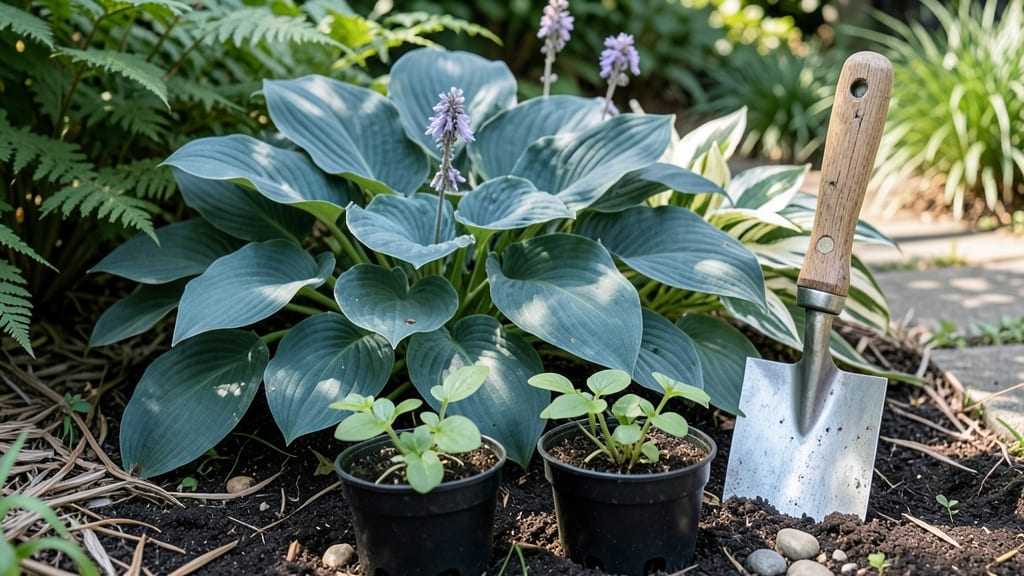
Planting hostas with the right distance keeps them thriving and your garden looking intentional, not chaotic.
Struggling to keep your hostas thriving without them turning into a suffocating jungle? Proper planting distance is the secret to lush, healthy foliage that stays pest-free and disease-resistant—here’s the science-backed guide every gardener needs.
Too close, and you’ll battle slugs, fungal diseases, and stunted growth. Too far apart, and your garden will look sparse. The key lies in knowing your hosta’s mature size and variety—whether it’s a compact 6-inch dwarf or a sprawling 4-foot giant.
In this guide, you’ll learn how to space hostas for airflow, sunlight balance, and long-term beauty, plus how to adjust for containers or mixed beds.


Optimal hosta planting distance by variety: small vs. giant hostas
Getting the hosta planting distance right transforms your garden from a chaotic mess to a thriving, low-maintenance landscape. Hostas vary wildly in size—from miniature varieties that stay under 6 inches to giant hostas reaching 4 feet tall.
Planting too close leads to crowded foliage, slug magnetism, and fungal diseases from poor airflow, while spacing too far wastes space. Let’s break down the science so you can space them like a pro.
Most gardeners overlook how mature plant size dictates spacing needs. A dwarf hosta like 'Pandora' (6" tall) needs half the room of a giant hosta like 'Sum and Substance' (36" tall). The key is to plan for their adult spread, not their first-year growth.
I’ve learned this the hard way—my 'Blue Angel' hostas nearly took over my shade garden before I adjusted spacing!
Proper airflow is non-negotiable for hosta health. Crowded plants trap moisture, creating perfect conditions for slime mold and leaf spot diseases. Aim for 12-24 inches of clearance between mature plants, depending on variety. This might seem like a lot, but trust me—your hostas will reward you with larger, healthier leaves and fewer pest problems.
Visualizing mature size is the trick. Imagine each hosta’s clumping habit—some spread aggressively (like 'Francee'), while others stay compact. Use the summary-table below as your cheat sheet for spacing by variety size. Pro tip: Measure your largest hosta’s foliage spread in your garden and use that as your baseline.
summary-table
For aggressive spreaders, like 'Francee' or 'Blue Angel', you might need to increase spacing to 24 inches even for medium-sized varieties. These hostas can double in size every few years, so plan accordingly.
I once had 'Francee' hostas planted 18 inches apart—by year three, they were touching, and my once-pristine garden looked like a hosta jungle!
Don’t forget about container gardening. In pots, even giant hostas can thrive with proper spacing. Use a 12-inch pot for miniature varieties and 24-inch pots for giants.
The rule of thumb? One gallon of soil per square foot of foliage at maturity. This ensures roots have enough room to breathe and access nutrients.
When planting in woodland gardens, where hostas naturally thrive, mimic their understory habitat. Space them 18-24 inches apart to allow for natural light filtering through taller trees.
This setup reduces competition while keeping airflow optimal. I’ve seen stunning woodland gardens where hostas are spaced like this—they look effortless but are carefully planned.
If you’re mixing hostas with other perennials, like ferns or astilbes, increase spacing to 24-36 inches to prevent overshadowing. Hostas are shade-tolerant, but they still need room to expand their foliage canopy.
A common mistake is planting them too close to sun-loving perennials, which can stress your hostas as they compete for light.
Finally, divide and conquer overcrowded hostas every 3-5 years to maintain spacing. This isn’t just about aesthetics—old clumps produce smaller leaves and are more prone to pests and diseases.
Dig up the center of the clump, separate the healthy outer crowns, and replant them with proper spacing. It’s like giving your hostas a fresh start!
With these spacing guidelines, your hostas will thrive year after year, producing bold foliage and fewer problems. Start small, plan for maturity, and watch your garden transform into a low-maintenance shade oasis. Happy planting! 🌿
How to calculate spacing for hostas in different garden layouts
Hostas are the unsung heroes of shade gardens, but their planting distance makes all the difference between a thriving display and a tangled mess.
Whether you're designing a woodland garden, a mixed perennial border, or a container arrangement, spacing ensures proper airflow and sunlight penetration—key factors in preventing fungal diseases like leaf spot and slug infestations.
Let’s break down the math (it’s simpler than you think!) and tailor it to your garden’s unique layout.
First, consider your hosta’s mature size. A dwarf variety like 'Pandora' needs just 12 inches apart, while a giant hosta like 'Sum and Substance' demands 3-4 feet of space. Aggressive spreaders like 'Blue Angel' or 'Francee'?
Plan for extra elbow room—these varieties can double in size over a decade! Your garden’s layout type also dictates spacing: containers, borders, and woodland plantings all have their own rules.
- 1. Measure mature foliage width: Use a tape measure to note the widest point of your hosta’s leaves at maturity. This is your baseline spacing.
- 2. Adjust for aggressive spreaders: Add 12-24 inches extra to varieties like 'Blue Angel' or 'Francee' to account for rhizome expansion.
- 3. Linear arrangements (borders): Space plants at 75-100% of mature width. For example, a 24-inch-wide hosta should get 18-24 inches apart.
- 4. Circular arrangements (woodland gardens): Use 60-75% of mature width between plants to create a natural, flowing look.
- 5. Containers (1 plant per 5-10 gallons): Dwarf hostas thrive in 5-gallon pots, while giants need 15+ gallons to prevent root bind.
- 6. Mixed perennials: Space hostas 20-30% wider than their mature size to avoid competition with taller plants like ferns or astilbes.
For linear arrangements, like a perennial border, think of hostas as the backbone of your design. Plant them 18-24 inches apart if they’re medium-sized, but stretch that to 3 feet for giants.
Pro tip: Use a string line to mark your spacing before digging—it saves time and ensures uniformity. In woodland gardens, where hostas mimic their natural understory habitat, you can play with closer spacing (60-75% of mature width) to create a lush, layered effect.
Containers are where hostas shine, but pot size matters. A 5-gallon container is perfect for dwarf varieties like 'Halcyon' or 'Blue Mouse Ears,' while giants need 15+ gallons to accommodate their sprawling roots.
When mixing hostas with other shade-loving perennials, like heucheras or coral bells, give hostas 20-30% more space than their mature width. This prevents competition for nutrients and keeps foliage looking full and healthy.
Don’t forget about airflow—this is your first line of defense against fungal diseases. Crowded hostas trap moisture, creating the perfect conditions for leaf spot or powdery mildew. If you notice yellowing leaves or slug trails (a common issue in tight spaces), it’s time to reassess your spacing.
For aggressive spreaders, consider dividing every 3-4 years to control their growth and refresh the plant’s vigor.
Ready to put it into action? Grab your tape measure, sketch your garden layout, and start planting with confidence. With the right hosta spacing, your garden will be the talk of the neighborhood—lush, organized, and pest-resistant! 🌿✂️🌳