
Blooming
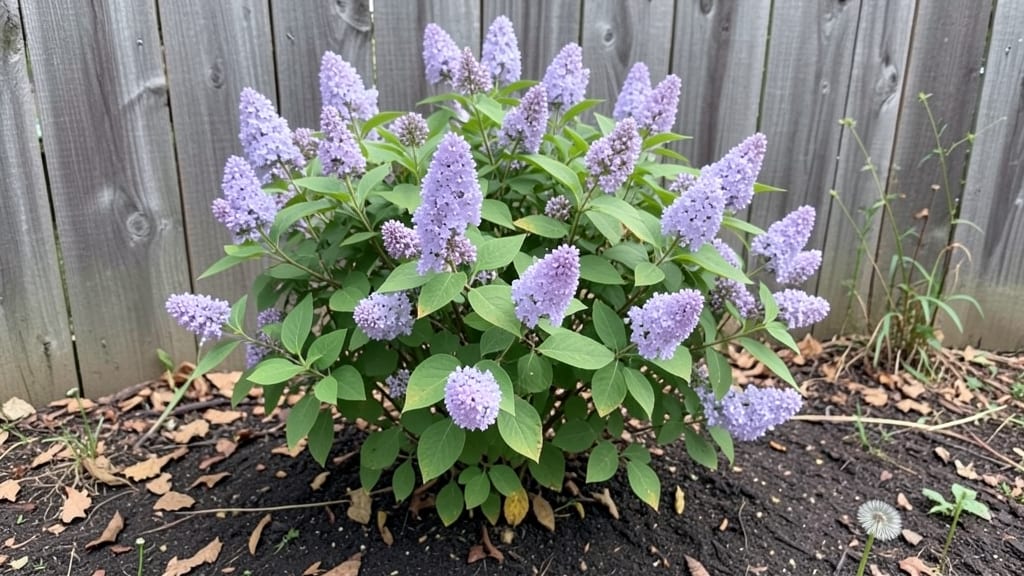
This Bloomerang lilac plant is the game-changer you didn’t know you needed—reblooming lilacs that turn your garden into a fragrant showstopper twice a season.
Unlike traditional lilacs that bloom once and fade, these vines burst with color in spring and again in summer, with that classic lilac perfume lingering in the air. I planted mine last year, and by June, neighbors were stopping to ask what I’d done differently.
This isn’t your grandma’s lilac. The Bloomerang thrives in zones 3-8, handles partial shade like a champ, and even tolerates urban pollution—perfect for small yards, containers, or that tricky spot near the sidewalk.
You’ll need well-draining soil (amend with compost if yours is heavy clay) and consistent watering until established, but after that? It’s basically a set-it-and-forget-it plant with stunning results. The vines grow 6-8 feet tall, so plan for a trellis or sturdy fence if you want to train them vertically.
By mid-June, you’ll be snipping fresh blooms for bouquets that smell like childhood summers. The flowers are slightly smaller than traditional lilacs but pack the same intoxicating scent, and the foliage stays lush and green all season long.
Even better? Deer and rabbits usually leave it alone, and pests rarely bother these hardy vines. The only real secret is pruning after the second bloom cycle—just a light trim to shape it up for next year.
Works in foundation plantings, mixed borders, or even as a fragrant hedge. If you’ve ever wished for a lilac that gives you two seasons of color instead of one, this is it. Let’s get yours growing!
📚 In This Guide
- What you need
- Instructions
- Tips and common mistakes
- Wrapping up and next steps
What you need
- ● Bloomerang Lilac Plant: 1 nursery-grown plant (3–4 feet tall, mature size) or
- ● Seeds (if propagating from scratch—germination can take 2–4 weeks)
- ● Well-draining potting mix: 1–2 bags (5–10 cubic feet) of loamy soil with added compost (60% topsoil, 30% perlite/sand, 10% compost).
- ● Container or garden bed: For containers: 1–2 large pots (18–24 inches deep, with drainage holes).
- ● For in-ground planting: A hole twice as wide as the root ball, with amended soil.
- ● Fertilizer: 1 bag of balanced, slow-release fertilizer (10-10-10 or 20-20-20) or organic options like fish emulsion or compost tea.
- ● Mulch: 2–3 cubic feet of organic mulch (wood chips, shredded bark, or straw) to retain moisture.
- ● Garden trowel or shovel (for transplanting).
- ● Pruning shears (sterilized, for shaping and maintenance).
- ● Gloves (to protect hands from thorns or rough bark).
- ● Watering can or hose with a gentle spray nozzle (lilacs prefer deep, infrequent watering).
- ○ pH test kit (optional)—ideal soil pH for lilacs: 6.0–7.0.
- ○ Stakes or trellis (optional)—if training vines vertically.
- ● Sunlight: A full-sun location (6+ hours of direct sunlight daily).
- ● Climate: Hardy in USDA Zones 3–8 (cold-hardy but thrives in temperate zones).
- ● Patience: Lilacs may take 2–3 years to bloom fully from seed!
Step-by-Step instructions for planting and caring for Bloomerang lilac vines
These fragrant vines are easier to grow than you think—just follow these simple steps for lush, repeat-blooming beauty.
Choose the Perfect Planting Location
Bloomerang lilacs thrive in full sun—pick a spot that gets at least 6-8 hours of direct sunlight daily. They tolerate partial shade but produce fewer blooms. I always check the area for at least 4 hours of morning sun, as this helps prevent afternoon heat stress on the delicate flowers.
Test your spot by observing how sunlight moves across the garden. If nearby trees or structures cast shade after noon, plant the vine where it gets the most sun in the morning. The soil should drain well—these vines hate soggy roots. If your garden has heavy clay, amend the area with 2-3 inches of compost before planting to improve drainage.
Prepare the Soil for Healthy Root Growth
Bloomerang lilacs grow best in well-draining, slightly acidic soil with a pH between 6.0 and 7.0. Test your soil’s pH with a simple kit from your local garden center. If it’s too alkaline, mix in 1-2 pounds of peat moss or sulfur per planting hole to lower the pH gradually.
Loosen the soil to a depth of 12-18 inches with a shovel or garden fork. Break up any compacted layers so roots can spread easily. Work in 2-3 cups of balanced, slow-release fertilizer (like 10-10-10) into the soil at planting time. This gives the vine a strong start without overwhelming it with nutrients too soon.
Plant the Vine Correctly for Strong Growth
Dig a hole twice as wide as the root ball but only as deep as the container’s root system. Gently remove the vine from its pot and loosen any circling roots with your fingers. Place the vine in the hole so the top of the root ball sits just below soil level—never deeper, or the plant may rot.
Backfill the hole with soil, tamping lightly as you go to remove air pockets. Water deeply to settle the soil and encourage root contact. Mulch around the base with 2-3 inches of organic mulch (like shredded bark) to retain moisture and suppress weeds. Keep the mulch 2 inches away from the vine’s stem to prevent rot.
Water and Fertilize for Continuous Blooms
Water the vine deeply once a week during the first growing season, ensuring the soil stays evenly moist but not soggy. After the first year, these vines are drought-tolerant, but they’ll reward you with more blooms if you keep the soil consistently moist during dry spells. Check moisture by sticking your finger 2 inches into the soil—if it feels dry, it’s time to water.
Fertilize twice a year: once in early spring (just as new growth appears) and again in late summer (after the first flush of blooms). Use a balanced, slow-release fertilizer at half the recommended rate to avoid burning the roots. I also side-dress with 1 cup of compost in spring to feed the soil naturally.
Prune for Shape and Encourage More Blooms
Prune your Bloomerang lilac immediately after flowering to shape the vine and promote next year’s blooms. Remove any dead, diseased, or crossing branches first with clean, sharp pruners. Then, trim back overly long stems by one-third to encourage bushier growth. Never prune into old wood—these vines bloom on new growth, so focus on shaping the current season’s stems.
If your vine grows too large for its space, prune in early spring before new growth begins. Cut back one-third of the oldest stems to the ground to rejuvenate the plant. Wear gloves—lilac leaves can be scratchy! After pruning, apply a layer of mulch to protect new growth and retain moisture.
Tips & tricks for perfect Bloomerang lilac plant growth
Here's what I've learned after growing these fragrant vines for years—these tricks will help you avoid common pitfalls and get the most stunning blooms.
Sunlight Strategy: When selecting your planting spot in Step 1, prioritize the morning sun hours over afternoon sun. The intense afternoon heat can stress the delicate blooms, so a location with 4-6 hours of morning sun and 2-4 hours of afternoon sun often works better than 8 hours of direct afternoon sun. I've noticed my vines produce more abundant blooms when they get this balanced sun exposure.
Soil Prep Secret: In Step 2, don't skip the soil loosening to 12-18 inches depth—this is crucial for root development. I use a garden fork to break up compacted layers, and if your soil is particularly dense, consider adding perlite or coarse sand to improve drainage. The goal is to create a loose, airy environment that encourages roots to spread outward rather than staying compacted in the planting hole.
Planting Depth Tip: When placing your vine in Step 3, the "just below soil level" guideline is critical. I've learned the hard way that planting too deep can cause root rot, while planting too high can stress the plant. To check depth, make sure the top of the root ball sits about 1 inch below the surrounding soil line after backfilling.
Watering Wisdom: For Step 4's weekly watering, I've found that watering deeply in the morning is most effective. This allows the soil to absorb moisture gradually throughout the day while preventing fungal issues that can occur with evening watering. During heatwaves, you might need to water every 3-4 days instead of weekly, but always check that moisture by sticking your finger 2 inches into the soil.
Pro Tips for Bloomerang Lilac Plant
- Here's what I've learned after growing these fragrant vines for years—these tricks will help you avoid common pitfalls and get the most stunning blooms.
- Sunlight Strategy: When selecting your planting spot in Step 1, prioritize the morning sun hours over afternoon sun.
- Soil Prep Secret: In Step 2, don't skip the soil loosening to 12-18 inches depth—this is crucial for root development.
Frequently asked questions
How fast does the Bloomerang Lilac grow, and when will it flower?
The Bloomerang Lilac is a fast grower, often reaching 6–10 feet in height within 2–3 years. With proper care, it typically flowers in the first or second year after planting, producing clusters of fragrant lavender blooms in late spring to early summer. Patience pays off—once established, it blooms reliably for decades!
How often should I water a Bloomerang Lilac, especially in hot weather?
Water deeply once or twice a week during the first growing season to encourage root development. Once established (after 1–2 years), it’s drought-tolerant but benefits from 1 inch of water per week, especially in hot, dry spells. Mulch around the base to retain moisture and protect roots. Pro tip: Avoid soggy soil—this plant hates "wet feet."
Can I grow Bloomerang Lilac in containers, or is it best planted in the ground?
Yes! While it thrives in the ground, Bloomerang Lilac can also grow in large containers (at least 15–20 gallons) with well-draining soil. Use a mix of potting soil and perlite, and ensure the pot has drainage holes. Container-grown plants may need more frequent watering and winter protection in cold climates. Just remember: Bigger pots = happier vines!
Why aren’t my Bloomerang Lilac leaves turning green, or are they yellowing?
Yellowing leaves often signal overwatering or poor drainage. Ensure the soil is well-draining and adjust your watering schedule. Pale or weak leaves could mean nutrient deficiency—try a balanced fertilizer in early spring. Check for pests like aphids or spider mites too; a gentle spray of water or neem oil can help.
Does Bloomerang Lilac attract bees or other pollinators?
Its highly fragrant blooms are a magnet for bees, butterflies, and hummingbirds, making it a fantastic addition to pollinator-friendly gardens. The long bloom season (often reblooming in fall) ensures a steady food source for these beneficial visitors. Bonus: It’s also deer-resistant!
Wrapping up and next steps
The Bloomerang Lilac Plant is a fragrant, low-maintenance gem that brings beauty and charm to any garden—whether you have a sprawling yard or a cozy balcony.
Its vibrant blooms and heavenly scent make it a standout choice for gardeners of all levels, while its adaptability ensures success even in smaller spaces. With the right care and placement, you’ll enjoy years of effortless elegance and a garden that feels like a serene retreat.
Ready to transform your outdoor space? Start by selecting your spot—sunny, sheltered, and well-drained—and let these lilacs work their magic. Happy gardening! 🌸💚