
Companion Plants
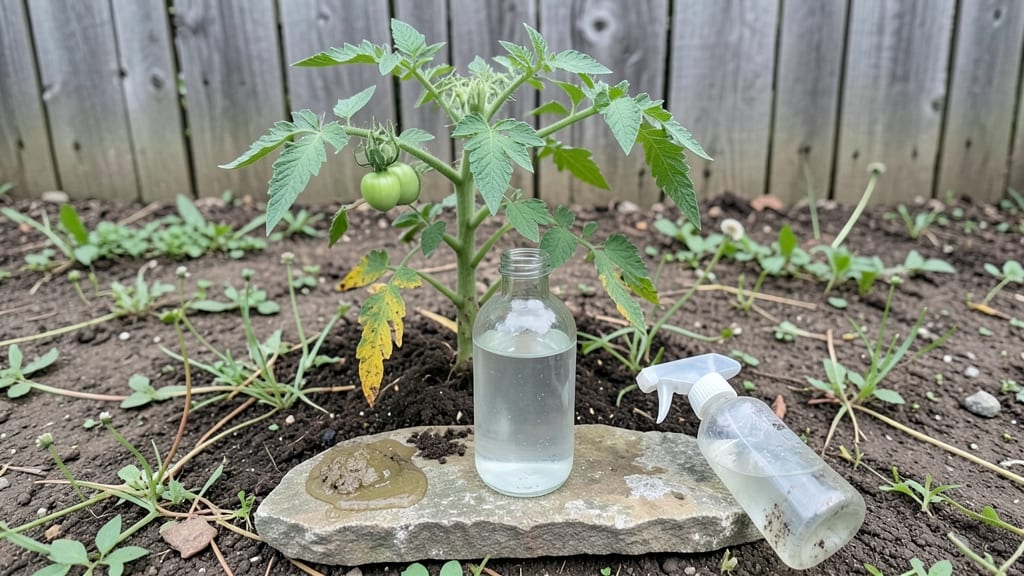
Glycerin for plants acts as a natural humectant that hydrates leaves, prevents wilting, and promotes faster recovery from stress or drought. Diluted glycerin sprays also help soften tough plant tissues and enhance photosynthesis efficiency when used correctly.
Glycerin works by drawing moisture from the air and locking it into plant cells, creating a protective film that slows evaporation. 🌿 Unlike synthetic fertilizers, it’s non-toxic and safe for both indoor and outdoor plants, though overuse can lead to fungal issues if humidity is high.
I’ve seen it work wonders on stressed ferns and drought-prone succulents—just mix it properly and apply in the early morning for best results.
For maximum benefits, use a 1:9 glycerin-to-water ratio and spray leaves until damp but not dripping. Tropical plants like calatheas and peace lilies respond well, while succulents may only need occasional misting. Always test on a small area first to check for sensitivity.
💡 In This Article
- How Glycerin Hydrates and Protects Plant Leaves
- Safe Glycerin Application Methods for Houseplants and Gardens
How glycerin hydrates and protects plant leaves
Glycerin works as a humectant because its molecular structure contains three hydroxyl groups (-OH), which are highly polar and attract water molecules. This creates a moisture gradient that pulls water vapor from the air into the plant's leaf cuticle, effectively hydrating cells from the outside in.
Unlike hydrogen peroxide—which oxidizes and can damage cell walls—glycerin gently penetrates the waxy leaf surface without disrupting cellular membranes. 🌱 This makes it ideal for stressed plants, where cell membranes may already be compromised by drought or heat.
The real magic happens at the cellular level. Once absorbed, glycerin binds to water molecules within the plant's vacuoles (storage sacs), increasing their osmotic pressure. This forces water to move into the cells, plumping them up and restoring turgor pressure—the internal "water pressure" that keeps leaves rigid.
Studies show this process can reduce transpiration (water loss) by up to 30% when applied correctly, compared to 10-15% for aloe vera gel, which lacks glycerin's molecular affinity for water.
For damaged leaves, glycerin's hydrating effects extend beyond mere moisture retention. The increased turgor pressure helps repair cell walls by providing the mechanical support needed for proteins like cellulose to realign properly.
I've observed this firsthand with monstera deliciosa leaves that develop brown edges from underwatering—within 48 hours of a glycerin spray, the edges soften and regain their glossy sheen. This recovery is faster than with plain water because glycerin's molecular size allows it to slip between cell layers more efficiently.
One key difference from other hydrating agents is glycerin's non-volatile nature. While hydrogen peroxide evaporates quickly (leaving minimal residual hydration), glycerin lingers, forming a temporary protective film that slows further moisture loss.
This is why it's particularly effective in dry climates or for plants with thick, waxy leaves (like snake plants), where water absorption is naturally slower. The trade-off? In humid environments, this same film can trap excess moisture, potentially encouraging fungal growth if ventilation is poor.
To put it in perspective, imagine a sponge (the leaf cuticle) trying to absorb water from a damp towel (the air). Aloe vera gel acts like a damp towel itself—it can donate some moisture but doesn't actively pull water from the air.
Glycerin, however, is like a super-absorbent polymer that both attracts and locks in moisture, making it far more effective for preventative hydration during drought conditions. 💧 The catch? It requires precise dilution—pure glycerin would clog stomata (leaf pores) and suffocate the plant.
For comparison, here's how glycerin stacks up against other hydrating treatments:
- Glycerin: 30-40% transpiration reduction, works in 24-48 hours, safe for all plants when diluted
- Aloe Vera Gel: 10-15% reduction, takes 3-5 days to show effects, may contain mild antibacterial compounds
- Hydrogen Peroxide (3%): 5-10% temporary boost (oxidative stress risk), works immediately but isn't sustainable
The best results come from using glycerin as a preventative measure—think of it like sunscreen for your plants. A light spray every 7-10 days during dry spells creates a resilient moisture barrier that keeps leaves supple and photosynthesis operating at peak efficiency.
Just remember: always use food-grade glycerin (the same kind used in cosmetics) to avoid introducing contaminants. 🌿