Blooming
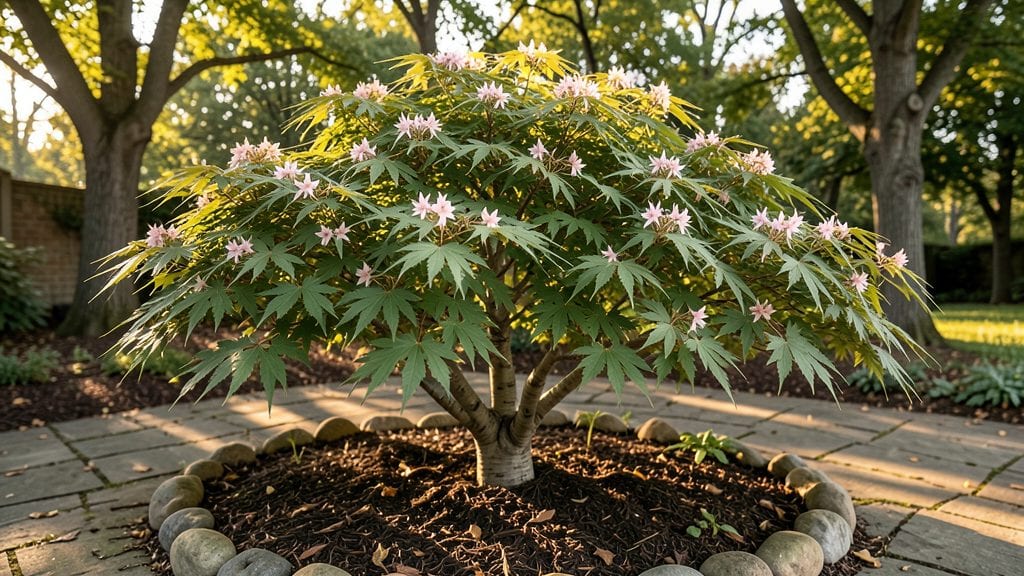
A blooming maple plant transforms your yard into a seasonal masterpiece—imagine delicate spring blossoms followed by fiery fall leaves. 🌿 I learned the hard way that these trees demand sunlight like a goldfish needs water; neglect either, and you’ll end up with a sad, sparse canopy.
The right variety, soil, and care can turn your maple into the showstopper of the neighborhood, not just another backyard tree.
Japanese maples like 'Bloodgood' or 'Emperor I' are top picks for their compact size and stunning foliage, but even they need well-draining soil mixed with compost to thrive. Plant in full sun to partial shade, water deeply once a week (more in summer), and avoid soggy roots—maples hate wet feet.
Pruning should happen in late winter, never in fall, or you’ll risk stunted blooms next spring.
With the right conditions, your maple will reward you with clusters of tiny flowers in spring, followed by leaves that blaze in shades of red, orange, or purple by autumn.
The key is patience: it takes 3-5 years for young trees to establish enough roots to support heavy foliage and flowers. But once they do, you’ll have a tree that’s as rewarding to grow as it is beautiful to behold.
This works for both container-grown maples and in-ground plantings—just adjust watering frequency based on pot size. Fair warning: maples grow fast, so give them space (at least 15 feet apart for mature trees). Here’s how to set yours up for a lifetime of color and blooms.
📚 In This Guide
- What you need
- Instructions
- Tips and common mistakes
- Wrapping up and next steps
What you need
- ● Maple seeds or saplings: Choose Japanese maple (Acer palmatum), Norway maple (Acer platanoides), or sugar maple (Acer saccharum) seeds (or young plants from a nursery).
- ● Well-draining potting soil: A 5-gallon bag of peat-based or coco coir mix (avoid heavy clay soil).
- ● Pot or garden bed: For potted plants: A 12–18-inch diameter container with drainage holes.
- ● For outdoor planting: A sunny spot with loose, fertile soil (pH 6.0–7.5).
- ● Organic fertilizer: A balanced 10-10-10 or slow-release granular fertilizer (1 lb per plant).
- ● Watering can or hose: With a gentle spray nozzle for moisture control.
- ● Pruning shears: For shaping young branches (sterilized with rubbing alcohol).
- ● Mulch (wood chips or straw): To retain soil moisture and regulate temperature.
- ● Soil pH tester: Ensures optimal growing conditions.
- ● Grow lights (for indoors): LED full-spectrum bulbs (12–16 hours/day).
How to grow a thriving blooming maple plant
Here’s how to nurture this stunning shade tree into a showstopper with brilliant blooms and fiery fall colors.
🌱 Step 1: Choose the Right Location and Soil
Maple trees need full sun to partial shade—at least 6 hours of direct sunlight daily—for strong growth and vibrant fall foliage. I always plant mine where they’ll get morning sun and afternoon shade, especially in hotter climates. The soil should be well-draining but moist, so avoid low spots where water pools after rain.
Before planting, loosen the soil to a depth of 12 inches with a garden fork. Mix in 2-3 inches of compost from your materials list to improve fertility. If your soil is heavy clay, add a handful of perlite to help with drainage. The root ball should sit just above ground level—never bury the trunk deeper than it was in the container.
🪴 Step 2: Plant with Care for Strong Root Development
Dig a hole twice as wide as the root ball but only as deep. Gently remove the tree from its container and place it in the hole, ensuring the top of the root ball is level with the surrounding soil. Fill the hole with soil, tamping it down lightly every 4 inches to remove air pockets. Water deeply to settle everything into place.
I always step back and check the tree’s alignment—it should stand straight without leaning. If it’s crooked, adjust before backfilling. Mulch around the base with 2-3 inches of organic mulch, keeping it 6 inches away from the trunk to prevent rot. This helps retain moisture and regulates soil temperature, which is critical for young trees.
☀️ Step 3: Water Deeply and Monitor Growth
Water your maple tree once a week for the first month, providing 10-15 gallons to ensure the roots establish deeply. After that, water every 10-14 days, depending on rainfall, until the tree is 3-4 feet tall. You’ll know it’s getting enough water when the soil feels damp 2-3 inches down—use a trowel to check.
Watch for signs of stress: yellowing leaves usually mean too much water, while crispy edges signal underwatering. If the tree’s leaves droop in the afternoon heat, it’s thirsty—give it a deep drink. Fertilize lightly in early spring with a balanced 10-10-10 fertilizer to encourage strong blooms and foliage.
✂️ Step 4: Prune for Health and Shape
Prune your maple tree in late winter or early spring before new growth begins. Remove any dead, diseased, or crossing branches first—these can weaken the tree or block sunlight. Cut just outside the branch collar (the swollen area where the branch meets the trunk) to prevent damage.
For shaping, focus on opening the center of the tree to allow light and air circulation. Never remove more than 25% of the foliage in one season—this can stress the tree. After pruning, apply a wound dressing to larger cuts to protect against pests and disease. You’ll see new, vibrant growth within a few weeks if the tree is healthy.
🍂 Step 5: Enjoy the Seasonal Spectacle
Maple trees reward patience with stunning spring blooms and vibrant fall foliage. In autumn, the leaves will shift from green to shades of red, orange, or yellow, depending on the variety. To enhance the color, avoid heavy nitrogen fertilizers in late summer—they promote leaf growth at the expense of pigment.
If you notice pests like aphids or scale, treat them early with neem oil or insecticidal soap. These trees are generally low-maintenance once established, but a little attention now ensures decades of beauty. In 5-7 years, your maple will be tall enough to cast shade and become the centerpiece of your landscape.
Tips & tricks for perfect maple plant growth
Growing a thriving maple tree takes patience and attention to detail—but these tried-and-true tips will help you avoid common pitfalls and nurture a stunning specimen.
The Sunlight Secret: While maple trees tolerate partial shade, those 6 hours of direct sunlight are non-negotiable for vibrant fall colors. I’ve seen trees in my own yard struggle when planted under mature oaks—even with just 2 hours less sun, the foliage turns duller. Position your tree where it gets morning sun and afternoon shade in hot climates, but never less than the required 6 hours. A simple trick: Observe your yard’s sunlight patterns for a week before planting to map out the sunniest spots.
Soil Preparation Strategy: When loosening soil to 12 inches deep in Step 1, don’t just scratch the surface—really dig down! Compacted soil at the bottom will strangle your tree’s roots. I like to use a garden fork to break up any hardpan layers. For clay-heavy soils, mix in that perlite generously—think of it as creating tiny air pockets that help roots breathe. And here’s a pro move: Water the hole thoroughly before planting to help settle the soil around roots during backfilling.
Watering Wisdom: Those 10-15 gallons weekly for the first month might seem like a lot, but trust me—it’s better to give too much than too little during establishment. I’ve seen young maples wilt dramatically after just a week of inconsistent watering. Use a rain gauge or trowel test to monitor moisture: The soil should stay damp 2-3 inches down. For larger trees, consider installing a drip irrigation system on a timer—it’s worth the investment for peace of mind during dry spells.
Pruning Precision: When pruning in late winter, focus on removing branches that cross or rub against each other—these create entry points for disease. I always make my cuts just outside the branch collar, but here’s the detail nobody mentions: Use sharp pruners and make clean cuts at a slight angle. Ragged cuts heal poorly and can invite pests. For larger branches, apply that wound dressing immediately after cutting to seal the wound and protect against sap oozing, which attracts insects.
Pro Tips for Blooming Maple Plant
- Growing a thriving maple tree takes patience and attention to detail—but these tried-and-true tips will help you avoid common pitfalls and nurture a stunning specimen.
- The Sunlight Secret: While maple trees tolerate partial shade, those 6 hours of direct sunlight are non-negotiable for vibrant fall colors.
- Soil Preparation Strategy: When loosening soil to 12 inches deep in Step 1, don’t just scratch the surface—really dig down!
Frequently asked questions
How much sunlight does a blooming maple plant need daily?
A blooming maple plant loves sunlight—aim for 6 to 8 hours of direct light daily. Place it near a south- or west-facing window, or supplement with a grow light if indoors. Too little light? Expect slower growth and fewer blooms. Pro tip: Rotate the pot occasionally for even exposure!
When is the best time to plant or repot a blooming maple?
The ideal time is early spring (before new growth starts) or early fall (after foliage drops). Avoid transplanting during extreme heat or cold—roots need time to adjust. If repotting, choose a container just 1-2 inches larger than the current one for optimal drainage. Warning: Overcrowded roots can stress the plant!
Why aren’t my maple leaves turning vibrant colors in fall?
Vibrant fall foliage depends on cool nights, sunny days, and proper care. If colors are dull, check for:
- Water stress: Over- or underwatering can fade hues.
- Nutrient deficiency: Add a balanced fertilizer in early summer.
- Poor light: Move the plant to a sunnier spot ASAP.
Can I grow a blooming maple indoors year-round?
Yes! Dwarf or container-friendly varieties (like Japanese maples) thrive indoors with the right setup:
- Use a large pot with drainage (terracotta works well).
- Mimic outdoor seasons: Reduce water in winter and increase light.
- Watch for pests (spider mites love dry indoor air—mist leaves occasionally!).
What should I do if my blooming maple’s leaves turn yellow or drop?
Yellow leaves usually signal overwatering, underwatering, or root issues. Try this:
Issue
Fix
Yellow edges + dry soil
Water deeply but less often (let top 1–2 inches dry out).
Yellowing + mushy stems
Check drainage! Repot with fresh, well-draining soil.
Sudden leaf drop
Move to a stable environment (avoid drafts or temperature swings).
Wrapping up and next steps
Your journey to nurturing a blooming maple plant is well on its way! 🌿 With the right care—sunlight, patience, and a touch of love—you’ll soon be rewarded with stunning foliage and maybe even delicate flowers.
Whether you’re a seasoned gardener or a beginner, this vibrant plant is a fantastic addition to any space.
Ready to take the next step? Plant that seedling, monitor its progress, and enjoy the rewarding process of watching it thrive! Share your blooming maple success with fellow plant lovers—your green thumb will inspire others! 🌟