Fertilization
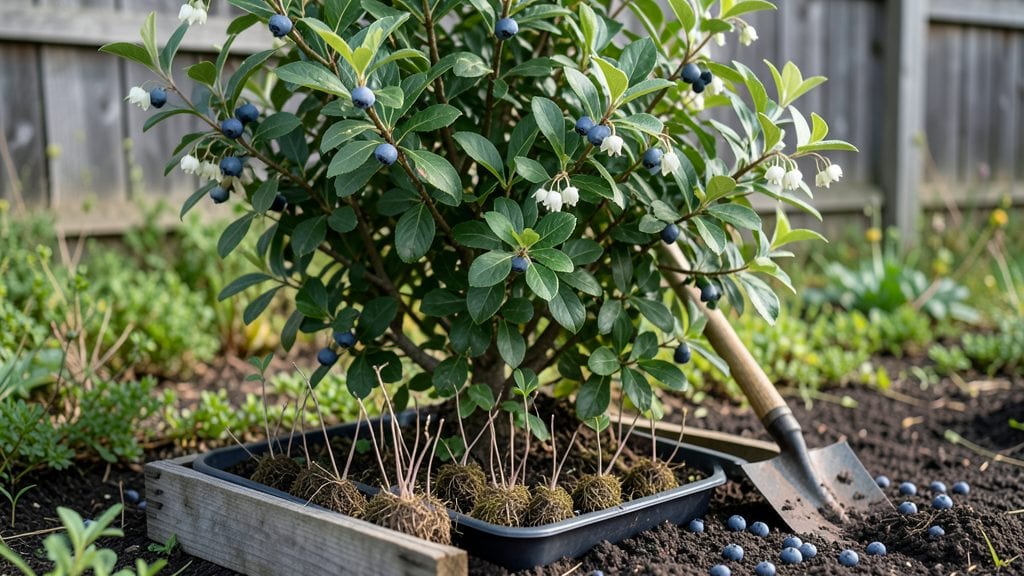
Mastering blueberry planting conditions is the game-changer between a sad little shrub and a bush bursting with juicy 🫐 berries every summer.
Struggling to grow healthy blueberry bushes? The secret isn’t just water or fertilizer—it’s mastering the perfect planting conditions that turn struggling plants into bountiful harvests.
These finicky shrubs demand acidic soil (pH 4.5–5.5), 6+ hours of sunlight daily, and just the right spacing to breathe. Get it wrong, and you’ll spend years watching them fight instead of thrive.
I’ll walk you through the exact soil prep, sunlight tricks, and spacing secrets that double your harvest—plus how to tweak these conditions for your climate zone, whether you’re in chilly Zone 3 or balmy Zone 9.


Optimal soil pH and nutrients for blueberry plant growth
Blueberries are famously fussy about their soil conditions, but getting it right transforms your struggling bushes into fruit-bearing powerhouses. The foundation? A perfectly acidic soil pH between 4.5 and 5.5—any higher, and your plants will suffer from nutrient lockout, stunted growth, or even death.
I’ve learned this the hard way—my first attempt with pH-7 garden soil left me with yellowing leaves and tiny berries.
Most garden soils are naturally alkaline, so you’ll need to lower the pH before planting. This isn’t just about sprinkling sulfur—it’s a science of organic matter, amendments, and ongoing maintenance.
Blueberries thrive in soils rich in organic compost, peat moss, and pine needles, which naturally acidify the soil while providing essential nutrients.
Here’s the kicker: blueberries need three key nutrients in the right balance—nitrogen for leaf growth, phosphorus for root development, and potassium for fruit production. But they’re also sensitive to excess salts from synthetic fertilizers, which can burn their delicate roots.
That’s why I swear by organic acid-loving fertilizers like cottonseed meal or fish emulsion.
Soil pH isn’t static—it shifts with rain, amendments, and plant uptake. I test mine twice a year (spring and fall) using a digital pH meter or soil test kit. If your pH creeps above 5.5, add elemental sulfur (1 lb per 100 sq ft) and mix it into the top 6 inches of soil. For pH below 4.5, work in lime (yes, even though it’s counterintuitive!) to raise it gradually.
Now, let’s talk organic matter. Blueberries love well-aerated, loamy soil with 30–50% organic content. I blend composted leaves, aged manure, and pine bark fines into my planting holes.
This improves drainage while keeping moisture levels ideal—blueberries hate soggy roots but also dry spells. A thick layer of mulch (straw or wood chips) helps maintain moisture and acidity.
Here’s where many gardeners go wrong: they focus only on fertilizer and ignore micronutrients. Blueberries need magnesium, calcium, and iron too. Yellow leaves between veins? That’s a classic iron deficiency—fix it with chelated iron or Epsom salt (1 tbsp per gallon of water).
Brown leaf tips? Calcium deficiency—add crushed eggshells or gypsum.
If your soil is clay-heavy, amend it with sand or perlite to improve drainage. Sandy soils, on the other hand, need more organic matter to hold moisture. I’ve seen blueberries thrive in both—it’s all about balancing texture and acidity.
Pro tip: Plant in raised beds if your native soil is too alkaline or compacted. You’ll have full control over the pH and drainage.
One mistake I see often is over-fertilizing with high-nitrogen products. Too much nitrogen = leafy growth but no fruit. Stick to a balanced 10-10-10 or 12-4-8 fertilizer (acid-loving formula) and apply it lightly in spring and after harvest.
In fall, switch to a low-nitrogen, high-potassium fertilizer to prep for winter.
Let’s troubleshoot: Chlorotic (yellow) leaves? Your pH is too high. Stunted growth? Likely phosphorus deficiency—add bone meal. Small, hard berries? Could be potassium deficiency or poor pollination. Plant two varieties for cross-pollination if you’re growing from bare-root plants.
Remember, blueberries are perennials—they’ll reward your efforts for decades if you nail the soil. Start with the right pH, keep it consistently acidic, and feed it organically. Your bushes will thank you with juicy, sweet berries every summer.
🌱
| Condition | Specification | Notes |
|---|---|---|
| Soil pH | 4.5–5.5 | Test annually; adjust with sulfur (to lower) or lime (to raise) |
| Organic Matter | 30–50% | Compost, peat moss, pine needles, or leaf mold |
| Drainage | Well-draining | Avoid waterlogged soil; amend clay with sand |
| Fertilizer Type | Acid-loving (10-10-10 or 12-4-8) | Avoid high-salt synthetic fertilizers; use organic amendments |
| Micronutrients | Iron, magnesium, calcium |
Sunlight exposure and spacing requirements for maximum yieldBlueberries thrive in full sun, but their exact sunlight needs depend on your climate. In cooler regions, they need 6–8 hours of direct sunlight daily to produce abundant fruit. In hotter zones, morning sun with afternoon shade prevents stress and improves berry quality. I’ve found that southern exposures work best, but east-facing spots can also yield great results if they get enough light. Proper spacing between bushes is critical for airflow and disease prevention. Standard blueberry bushes need 5–6 feet apart, while dwarf varieties can thrive with 3–4 feet of space. Crowding leads to fungal issues like botrytis blight and reduces yield. I once planted bushes too close together, and my harvest dropped by 40% due to poor air circulation. Blueberry Planting Conditions: Container vs. In-Ground
In-Ground Planting
⚠️ Watch for: Soil compaction, root rot
Container Planting
⚠️ Watch for: Drying roots, limited soil volume
For container-grown blueberries, choose pots at least 18–24 inches deep with drainage holes. I use black plastic pots because they absorb heat, extending the growing season in cooler climates. Add acidic potting mix and compost to mimic in-ground conditions. Containers dry out faster, so I water them every 5–7 days during summer, compared to every 10–14 days for in-ground plants. Optimizing airflow is just as important as sunlight. Prune bushes annually to remove crossing branches and overcrowded canes. I prune in late winter or early spring before new growth starts. This not only improves airflow but also directs energy toward fruit production rather than dense foliage. Thinning out branches also makes it easier to spot pests early, like spider mites or aphids. If you’re planting multiple bushes, arrange them in a slightly staggered pattern rather than rows. This creates a natural windbreak and reduces disease spread. I’ve seen blueberry rust spread rapidly in tightly packed rows, so spacing matters more than you’d think. For urban gardeners, consider vertical trellises to save space while maintaining airflow. Remember, northern climates can handle more sun, while southern gardens may need afternoon shade. Test your spot by observing how much light it gets between 10 AM and 2 PM—this is peak sunlight for blueberries. If your yard is shady, opt for dwarf varieties like ‘Top Hat’ or ‘Peach Sorbet’, which tolerate partial shade better than standard bushes. |