
Planting
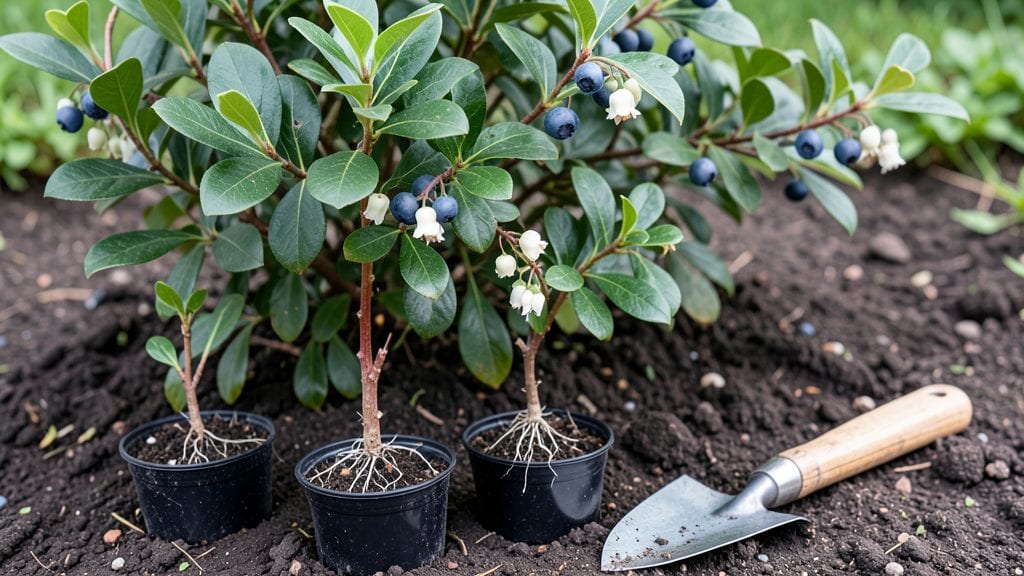
Here are some blueberry planting tips to ensure your bushes thrive—start with soil that’s acidic enough to make their roots dance (think pH 4.5 to 5.5), because I learned the hard way that skipping this step means stunted bushes and tiny berries. 🌱 matter how much you water.
The secret isn’t just adding sulfur or peat moss; it’s creating a mix that drains fast but holds moisture like a sponge.
Pick a spot with 6+ hours of sun and space bushes 4 to 6 feet apart—crowding leads to disease and fewer berries.
Whether you’re planting bare-root or potted, the first year is all about patience: water deeply once a week (more in heatwaves), mulch with pine needles to keep acidity up, and prune only to remove dead wood.
By year two, you’ll taste the difference—juicy, sweet berries that make grocery store ones taste bland.
📚 In This Guide
- What you need
- Instructions
- Tips and common mistakes
- Wrapping up and next steps
What you need
- ● Blueberry plants: 2–5 healthy nursery-grown bushes (choose southern-highbush, northern-highbush, or rabbiteye varieties based on your climate zone).
- ● Well-draining soil: Tested for pH (ideal: 4.5–5.5 for acidity). Use sulfur or peat moss to adjust if needed.
- ● Compost or aged manure: 2–3 gallons per plant to enrich soil.
- ● Organic mulch: Pine needles, wood chips, or straw (2–3 inches thick) to retain moisture and acidify soil.
- ● Garden trowel or shovel: For digging holes (12–18 inches wide/deep).
- ● Watering can or hose: With a gentle spray nozzle for post-planting hydration.
- ○ Pruning shears: Sharp, sterilized shears for trimming dead wood (optional but helpful).
- ● Slow-release fertilizer: Acid-loving plant blend (e.g., Osmocote or Miracle-Gro Azomite).
- ● Soil pH test kit: Digital or liquid test strips for precision monitoring.
- ● Drip irrigation system: For consistent moisture (especially in dry climates).
- ● Bird netting: To protect ripe berries from hungry critters!
- ● Garden gloves: To keep hands clean while handling soil and plants.
Step-by-step blueberry planting tips for a productive bush
Here's how to plant blueberries so they thrive for years—focus on soil first, and you'll avoid the most common mistakes.
🌱 Step 1: Choose the Right Location and Prepare the Soil
Blueberries demand acidic soil (pH 4.5-5.5) and full sun (6-8 hours daily). Test your soil's pH before planting—most garden centers sell affordable test kits. If your soil is neutral or alkaline, amend it with sulfur (follow package instructions) and work it into the top 12 inches of soil. I like to mix in 3 inches of peat moss or pine bark fines to lower pH naturally over time.
Dig a hole twice as wide as the root ball but only as deep as the container it came in. Loosen the sides of the hole to encourage root spread. If your soil drains poorly, add a 2-inch layer of coarse sand at the bottom to prevent waterlogging—blueberries hate soggy roots. Here's the thing: don't rush this step. Amending soil takes time, and skipping it means struggling with stunted growth or poor fruit later.
🪴 Step 2: Plant With Proper Spacing and Mulch
Space bushes 4-6 feet apart in rows 8-10 feet apart to allow airflow and easy harvesting. Plant at the same depth as the container, then backfill with your amended soil, pressing gently to remove air pockets. Water deeply immediately after planting to settle the soil and encourage root contact. I always add a 3-inch layer of wood chips or pine straw mulch around the base (but not touching the stem) to retain moisture and slowly acidify the soil over time.
Mulch also suppresses weeds, which compete for nutrients. Avoid fresh grass clippings—they raise soil pH over time. For 4 bushes, you'll need about 1 cubic yard of mulch spread in a 3-foot diameter circle around each plant. Water again after mulching to help it settle and start breaking down.
☀️ Step 3: Water Consistently and Fertilize Correctly
Blueberries need 1-1.5 inches of water weekly, especially during fruit set and ripening. Water deeply 2-3 times per week (more in extreme heat) and aim for moist but not soggy soil. You'll know you're doing it right when the top 2 inches of soil feel damp but not waterlogged. Drip irrigation works best—it delivers water directly to the roots without wetting the leaves, which helps prevent fungal diseases.
Fertilize in early spring with an acid-loving plant fertilizer (look for one with ammonium sulfate or cottonseed meal). Follow package instructions, but I've found half the recommended dose is often enough for established plants. Avoid high-nitrogen fertilizers—they encourage leafy growth at the expense of fruit. Here's what I do: I side-dress with 1 cup of cottonseed meal around each bush in spring, then water it in thoroughly.
✂️ Step 4: Prune for Airflow and Fruit Production
Prune in late winter or early spring before new growth begins. Remove dead, diseased, or crossing branches first—these compete for energy and can spread problems. Then, cut back older canes (those thicker than a pencil) by one-third to encourage new, fruiting wood. Thin out too many thin canes as well; aim for 6-8 strong canes per bush to balance growth and fruit production.
Never prune in fall—it stimulates new growth that won't harden off before winter, leading to frost damage. You'll see new shoots emerging from the base in spring; these are your future fruiting canes. Watch for white flowers in early spring—they signal it's time to adjust watering slightly (a little less during bloom to prevent fruit drop).
Tips & tricks for perfect blueberry planting
Here's what I learned after years of trial and error that'll help you grow blueberries that produce bountiful fruit for decades.
Soil pH is non-negotiable: Don't just guess at your soil's pH—buy a test kit and check it before planting. I've seen gardeners skip this step and struggle with poor fruit production for years. If your soil tests above 5.5, you'll need to amend it with sulfur or peat moss. The goal is to create an environment where blueberries can access nutrients easily. Remember, these plants are fussy about pH, but once you get it right, they'll reward you with sweet berries.
Root ball prep makes all the difference: Before planting, gently loosen the root ball of container-grown bushes to encourage root spread into your amended soil. I like to soak the root ball for 10-15 minutes before planting to ensure it's well-hydrated. This simple step helps prevent transplant shock and gives your blueberries a stronger start. Don't skip this—it's one of those small details that makes a big impact on long-term success.
Mulching strategy for long-term health: That 3-inch layer of mulch isn't just for looks—it's working double duty to retain moisture AND slowly acidify your soil over time. I recommend using pine straw or wood chips specifically because they break down to release organic acids that help maintain that crucial 4.5-5.5 pH range. Keep the mulch 2-3 inches away from the stem to prevent rot, and refresh it annually as it breaks down.
Watering consistency is key: The 1-1.5 inches of water weekly recommendation might seem like a lot, but blueberries are thirsty plants, especially during fruit development. I've found that drip irrigation is the gold standard—it delivers water directly to the roots without wetting the leaves, which helps prevent fungal diseases like powdery mildew. In extreme heat, you might need to water every other day, but always check that top 2 inches of soil before watering again.
Pro Tips for Blueberry Planting Tips
- Here's what I learned after years of trial and error that'll help you grow blueberries that produce bountiful fruit for decades.
- Soil pH is non-negotiable: Don't just guess at your soil's pH—buy a test kit and check it before planting.
- Root ball prep makes all the difference: Before planting, gently loosen the root ball of container-grown bushes to encourage root spread into your amended soil.
Frequently asked questions
Got questions about growing blueberries? You’re not alone! Here are some of the most common concerns—plus quick, actionable answers to help your bushes thrive.
When is the best time to plant blueberries?
Plant bare-root blueberries in early spring (just as buds swell) or late fall (6–8 weeks before frost). Container-grown bushes can go in anytime the soil isn’t frozen. Avoid summer planting—heat stress slows root establishment. Pro tip: Soak roots in water for 1–2 hours before planting to reduce transplant shock!
How often should I water blueberry plants?
Blueberries need consistent moisture, especially the first year. Water 1–2 inches per week (more in containers or hot climates). Mulch with pine needles or bark to retain moisture and lower pH. Overwatering is worse than underwatering—ensure soil drains well to prevent root rot.
Can I grow blueberries in containers?
Use pots at least 18–24 inches deep with drainage holes. Mix 50% peat moss or coconut coir with 50% pine bark for acidic soil. Dwarf varieties like ‘Top Hat’ or ‘Peach Sorbet’ thrive in containers. Fertilize monthly in spring/summer with an acidic fertilizer (pH 4.5–5.5).
Why aren’t my blueberry bushes producing fruit?
Common culprits: wrong pH (test soil—blueberries need acidic soil, pH 4.5–5.5), lack of pollinators (plant multiple varieties nearby), or young age (bushes take 2–3 years to bear fruit). Check for pests like spider mites or birds raiding buds—use netting if needed!
Do blueberries need winter protection?
Most blueberries are hardy to Zone 4–7, but young plants or tender varieties (like rabbiteye) benefit from mulch (4–6 inches) or burlap wraps in harsh winters. Avoid heavy snow buildup—gently brush it off branches to prevent breakage. Evergreen mulch (like pine straw) insulates roots naturally.
Wrapping up and next steps
Planting blueberries is a rewarding journey—with the right soil secrets, sunlight, and care, you’ll enjoy a bountiful harvest for years to come! 🌱 Remember, acidic soil, proper spacing, and organic mulch are your best friends for thriving bushes.
Now that you’re armed with these tips, it’s time to roll up your sleeves and get planting!
🚀 Your Next Step:
- Mark your calendar for planting season (spring or fall) and start preparing your soil today.
- Join a gardening community to share your progress and swap tips with fellow blueberry enthusiasts!