Container Gardens
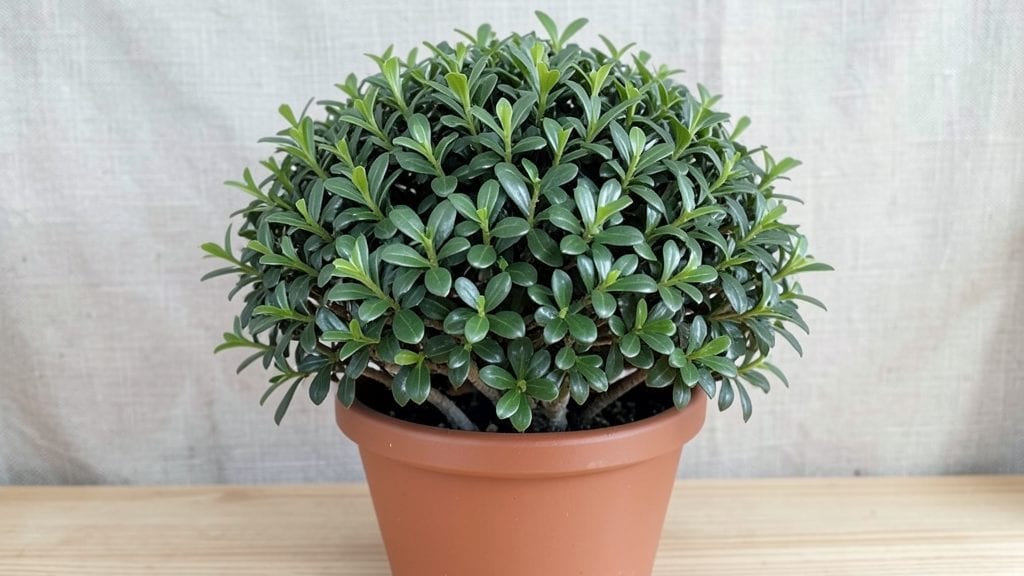
Growing boxwood indoors lets you keep that classic, dense greenery thriving year-round without stepping outside. ✨ I’ve kept my boxwoods lush for five winters now, and the secret isn’t complicated—it’s about matching the plant’s natural habits to your home’s conditions.
Most people assume boxwoods need outdoor space, but with the right setup, they adapt beautifully to indoor life.
The key starts with choosing a compact variety like ‘Green Velvet’ or ‘Winter Gem,’ both bred to handle lower light and smaller pots. You’ll need a well-draining potting mix (think 60% soil, 30% perlite, 10% compost) and a container with drainage holes—no soggy roots here.
Bright, indirect light keeps the leaves vibrant, while a cool spot (60-70°F) prevents leggy growth.
Watering is where beginners trip up: let the top inch of soil dry out between drinks, and never let it sit in water. A pebble tray under the pot adds humidity without fuss, and a light trim every few months keeps the shape neat.
The payoff? Year-round structure, glossy leaves, and a plant that barely asks for attention.
Even in winter, your boxwood stays healthy—just watch for spider mites (wipe leaves with soapy water) and avoid drafts. With these tweaks, you’ll have a living centerpiece that’s easier to care for than most houseplants. Ready to bring that outdoor elegance inside?
📚 In This Guide
- What you need
- Instructions
- Tips and common mistakes
- Wrapping up and next steps
What you need
- ● Boxwood plant: Choose a healthy Buxus sempervirens (common boxwood) or Buxus microphylla (dwarf boxwood) from a nursery. Opt for a 1- to 3-gallon container size for indoor growing.
- ● Well-draining potting mix: 1 bag (5-10 quarts) of cactus/succulent mix or a blend of 50% peat moss, 30% perlite, and 20% sand.
- ● Pot with drainage holes: A container 2-4 inches larger in diameter than the plant’s root ball (e.g., 8-12 inches for a 1-gallon boxwood). Terracotta or ceramic pots work best.
- ● Drainage tray or saucer: To catch excess water and protect surfaces.
- ● Watering can with a narrow spout: For precise hydration (avoid overhead watering).
- ● Pruning shears: Sharp, clean shears (sterilize with rubbing alcohol).
- ● Balanced fertilizer: A 10-10-10 or 20-20-20 liquid fertilizer (diluted to half-strength).
- ○ Gloves: To protect hands from sap (optional but recommended).
- ● Humidity tray: A shallow tray with pebbles and water to boost moisture levels (great for dry climates).
- ● Grow lights: LED or fluorescent lights (12-16 hours/day) if natural light is less than 4 hours/day.
- ● Mulch or decorative stones: For aesthetics and moisture retention (e.g., gravel or bark chips).
- ● Plant food or worm castings: Organic slow-release fertilizer (1-2 tbsp per pot) for a nutrient boost.
- ● Spray bottle: For misting leaves if humidity drops below 40%.
How to grow a thriving boxwood indoors
Boxwoods indoors? Absolutely—here's how to keep them lush without fuss.
🪴 Step 1: Choose the Right Boxwood Variety and Pot
Start with a compact boxwood variety like 'Green Velvet' or 'Winter Gem'—these stay small enough for indoor spaces. I grab a 10-12 inch diameter pot with drainage holes (non-negotiable—boxwoods hate soggy roots). Terra cotta works best because it breathes, but any ceramic or plastic with holes will do.
Fill the pot with well-draining potting mix—regular garden soil compacts too much and suffocates roots. Mix in a handful of perlite or coarse sand to improve drainage. The soil should feel like a damp sponge when squeezed, not a muddy mess.
☀️ Step 2: Position for Bright, Indirect Light
Boxwoods need bright, indirect light—think east-facing windows or a few feet from a south window. Direct sun scorches leaves, and low light makes them stretch leggy. You'll know the light is right when the foliage stays deep green without yellowing or browning.
If your space is dim, supplement with a grow light for 12-14 hours daily. Keep it 12-18 inches away—too close burns leaves, too far weakens growth. Rotate the pot weekly so all sides get even light exposure.
💧 Step 3: Water Deeply but Infrequently
Water when the top inch of soil feels dry—stick your finger in to check. Drench the soil until water runs out the drainage hole, then empty the saucer to prevent root rot. Boxwoods are drought-tolerant once established, so underwatering is far riskier than overwatering.
Mist the leaves occasionally in winter when indoor air gets dry, but avoid soggy soil. Yellowing leaves usually mean overwatering; crispy edges signal underwatering. Adjust your watering schedule based on what you see—this plant tells you exactly what it needs.
✂️ Step 4: Prune for Shape and Health
Prune in early spring to shape the plant and encourage bushiness. Use clean, sharp pruners to trim back one-third of the new growth—this prevents legginess. Cut just above a leaf node (the bump where leaves attach) to encourage new branches.
Deadhead any brown or yellow leaves immediately to keep the plant looking fresh. Avoid heavy pruning in fall or winter—boxwoods need their energy to stay dormant indoors. A light trim in late winter (just before spring growth starts) keeps them tidy without stress.
🌿 Step 5: Fertilize Lightly During Growing Season
Feed with a balanced, water-soluble fertilizer (10-10-10) every 4-6 weeks from spring to early fall. Dilute to half-strength to avoid burning roots—boxwoods are sensitive to salt buildup. Stop fertilizing in winter when growth slows.
Flushing the soil with water every 2-3 months helps prevent salt accumulation. You'll notice slow growth or yellowing leaves if fertilizer burns the roots—cut back immediately and water thoroughly to flush excess salts.
Tips & tricks for perfect indoor boxwood care
Here's what nobody tells you about keeping your boxwood thriving indoors without the guesswork.
Pot Size Matters: That 10-12 inch pot recommendation isn't just arbitrary—it's about root space. Boxwoods grow slowly, but they'll outgrow their containers if you start too small. If you notice roots circling the bottom or soil drying too quickly, it's time to upgrade to a 14-inch pot. Confession: I skipped this step for years and ended up with a leggy, sad plant that never recovered its shape.
Lighting Strategy: The 12-14 hours of grow light isn't just about duration—it's about consistency. Set a timer so you don't forget, especially during shorter winter days. I place my grow light on a shelf above the plant so it can't be knocked over, and I rotate the pot weekly to prevent one-sided growth. This mimics natural sunlight patterns and keeps your boxwood compact and symmetrical.
Watering Wisdom: That top inch rule is your golden standard, but here's the thing: winter watering needs change dramatically. In cold months, check the soil every 10-14 days instead of weekly—boxwoods go dormant and need far less water. I've learned this the hard way after losing two plants to overwatering during December's dry indoor air.
Pruning Precision: When you're trimming back that one-third of new growth in Step 4, make your cuts at a 45-degree angle just above a leaf node. This simple technique prevents water from pooling on the cut and causing rot. I use clean pruners every time—dull blades crush stems and invite disease. Think of it like giving your plant a fresh haircut with sharp scissors rather than dull shears.
Pro Tips for Boxwood Indoor Plant
- Here's what nobody tells you about keeping your boxwood thriving indoors without the guesswork.
- Pot Size Matters: That 10-12 inch pot recommendation isn't just arbitrary—it's about root space.
- Lighting Strategy: The 12-14 hours of grow light isn't just about duration—it's about consistency.
Frequently asked questions
Got questions about keeping your boxwood indoor plant thriving? You’re not alone! Here are answers to the most common queries—so you can enjoy lush greenery without the guesswork.
How often should I water my indoor boxwood?
Water your boxwood when the top 1–2 inches of soil feel dry. Aim for every 7–10 days, but adjust based on humidity and light. Overwatering is the #1 killer—always use a pot with drainage holes to prevent root rot.
Can boxwoods survive winter indoors?
Boxwoods thrive indoors year-round, but they hate drafts and cold windows. Keep them in 60–75°F temps and away from AC vents. A grow light in winter helps if natural light is scarce.
Why are my boxwood leaves turning yellow?
Yellowing leaves usually mean overwatering or nutrient deficiency. Check soil moisture first—if soggy, cut back on water. For yellowing despite dry soil, fertilize lightly with a balanced formula (10-10-10) every 2–3 months.
What’s a good alternative if boxwood is too high-maintenance?
If boxwood feels finicky, try these low-maintenance indoor shrubs:
- Dwarf English Ivy – Thrives in shade, pet-friendly.
- Schefflera (Umbrella Plant) – Tolerates neglect, great for beginners.
- Peperomia – Compact, drought-resistant, and stylish.
How do I prune my indoor boxwood to keep it bushy?
Prune in early spring to encourage new growth. Trim back by 1/3 using clean shears, and shape as desired. Deadhead spent flowers (if applicable) to redirect energy to foliage. Pro tip: Wear gloves—boxwood leaves can be mildly irritating!
Wrapping up and next steps
Bringing a boxwood indoor plant into your home isn’t just about adding greenery—it’s about embracing a low-maintenance, elegant companion that thrives with minimal effort. 🌿 Whether you’re a seasoned plant parent or just starting your indoor garden journey, this resilient beauty offers year-round charm with just a little sunlight, water, and love.
Ready to elevate your space? Start by selecting your favorite variety, gathering the right supplies, and giving it a cozy corner to call home! Your future thriving boxwood awaits—let’s make it happen!