Planting
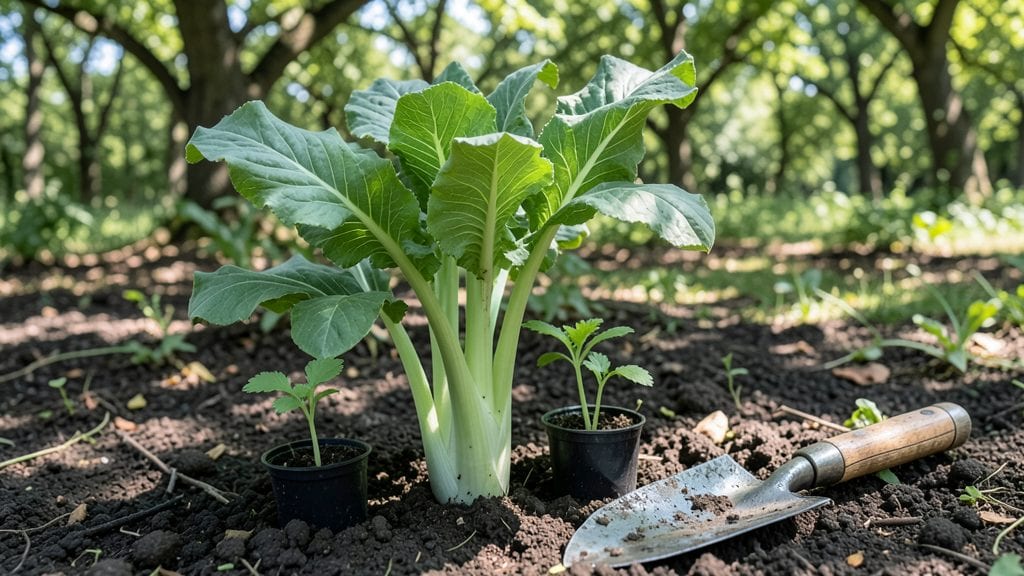
Here are some celery planting tips to ensure crisp, homegrown stalks—even in partial shade—something store-bought can’t match. 🌿 I’ve grown celery in my shady backyard for years, and the secret isn’t just patience but the right soil, spacing, and a little trick to keep stems thick.
Start with rich, well-draining soil mixed with compost—celery hates soggy roots. If planting seeds indoors first, keep them warm and moist until true leaves appear, then transplant after the last frost. Space plants 12 inches apart in rows 18 inches apart to give them room to grow upright without crowding.
📚 In This Guide
- What you need
- Instructions
- Tips and common mistakes
- Wrapping up and next steps
What you need
- ● Celery Seeds or Seedlings: 1–2 packets of Apium graveolens seeds (about 100–200 seeds per packet) or
- ● 6–8 healthy celery seedlings (transplants) from a nursery (check for firm stems and vibrant leaves).
- ● Well-Draining Soil: 1–2 bags of organic potting mix (or garden soil amended with compost).
- ○ Optional boost: 1 cup of balanced fertilizer (10-10-10) or compost per planting area.
- ● Containers or Garden Bed: For containers: 5-gallon pots or larger (at least 12 inches deep) with drainage holes. (3–4 plants per container.)
- ● For in-ground: A sunny-to-partially shaded spot with loose, fertile soil (avoid waterlogged areas!).
- ● Watering Tools: Watering can or hose with a gentle spray nozzle.
- ● Mulch: Straw or shredded leaves (1–2 inches) to retain moisture.
- ● Hand Trowel or Transplant Spade (for digging small holes).
- ● Gloves (to protect your hands from soil and prickly stems!).
- ● Plant Labels (write the variety and planting date to track growth).
- ○ Shade Cloth (Optional) (30–50% coverage if your area gets too much direct sun).
- ○ Epsom Salt (Optional) (1 tablespoon per plant monthly for magnesium-rich soil).
- ● Pest Control: Neem oil spray (for aphids or caterpillars).
- ● Row covers (fine mesh) to deter pests.
- ● 📅 Timing: Start seeds indoors 8–10 weeks before the last frost or plant seedlings in spring (after soil warms to 50°F/10°C) or fall (for cooler climates).
- ● ☀️ Light Conditions: Celery loves partial shade (4–6 hours of sunlight daily)—ideal for under trees or in filtered light.
- ● 💧 Watering Commitment: Celery needs consistent moisture (1–2 inches per week). Drought stress = tough, stringy stems!
Step-by-Step guide to planting celery for crisp, shade-tolerant stems
Celery thrives where others falter—here’s how to grow it successfully in partial shade.
🌱 Step 1: Choose the Right Location and Prepare the Soil
Celery loves cool weather and partial shade—aim for 4-6 hours of morning sun and afternoon shade, especially in hot climates. I always pick a spot with well-draining soil because soggy roots lead to rot. Amend heavy clay with 2-3 inches of compost to improve drainage and fertility.
Work the compost into the top 6 inches of soil, breaking up any clumps. Celery roots are shallow, so loose, airy soil prevents stunted growth. A quick soil test for pH? Aim for 6.0-7.0—celery won’t tolerate acidic or alkaline extremes. If your soil is compacted, add a handful of perlite or coarse sand to help water drain.
🌱 Step 2: Start Seeds Indoors or Transplant Young Plants
Celery seeds are tiny and slow to germinate, so I start them indoors 8-10 weeks before the last frost for a head start. Plant seeds ¼ inch deep in small pots filled with seed-starting mix. Keep the soil consistently moist—never soggy—until germination, which can take 2-3 weeks in cool conditions.
If you’re transplanting, buy 4-6 week-old seedlings from a nursery. Harden them off for 7-10 days before planting outdoors: place them in a sheltered spot for 1-2 hours daily, gradually increasing time. You’ll know they’re ready when they look sturdy and vibrant, not wilted or leggy.
💧 Step 3: Plant Seedlings at the Correct Spacing
Set seedlings 12-18 inches apart in rows 18 inches apart to allow for full growth. Dig a hole slightly deeper than the root ball and place the seedling in, covering the roots with soil up to the first set of leaves. Press gently around the base to eliminate air pockets—this helps roots establish faster.
Water deeply right after planting to settle the soil and remove any air gaps. Mulch with 1-2 inches of straw or shredded leaves to retain moisture and suppress weeds. Celery hates competition, so keep the area weed-free—even small weeds can steal nutrients and stunt growth. A light layer of mulch also keeps soil temperatures steady, which is key for crisp stems.
☀️ Step 4: Maintain Consistent Moisture and Shade
Celery needs constant moisture—never let the soil dry out completely. Water deeply 1-2 inches per week, more in hot weather, and always water at the base to avoid wetting the leaves, which can cause mildew. You’ll know moisture is right when the soil feels damp 1-2 inches down.
If your celery starts to bolt (sending up flower stalks), it’s getting too much light or heat. Move plants to a shadier spot immediately—bolting makes stems tough and bitter. In containers, rotate them weekly so all sides get even light exposure. This prevents lopsided growth and ensures even, crisp stems.
✂️ Step 5: Harvest at Peak Crispness and Encourage Regrowth
Harvest outer stalks first when they reach 10-12 inches tall, cutting just above the soil line with clean scissors. Leave the inner stalks to grow—this encourages the plant to produce more. You’ll see new growth within 2-3 weeks, and with proper care, one plant can yield 3-4 harvests.
For the crispiest stems, harvest in the morning when moisture levels are highest. If your celery tastes bitter or woody, it’s either too mature or not getting enough shade. Adjust your growing conditions and try again—celery rewards patience with tender, sweet stalks.
Tips & tricks for perfect celery planting in shade
Celery's success hinges on patience and attention to detail—here's how to give it the care it deserves for crisp, flavorful stems.
Soil Prep Secret: In Step 1, when amending your soil with 2-3 inches of compost, I like to add a handful of worm castings too. They introduce beneficial microbes that help break down nutrients faster, giving your celery a head start. The extra organic matter also improves water retention, which is crucial since celery needs constant moisture. Think of it as giving your plants a spa treatment before they even sprout!
Seed Starting Strategy: For Step 2, if you're starting seeds indoors, use clear plastic domes or wrap your seed trays with plastic wrap to create a mini greenhouse effect. This helps maintain humidity and can speed up germination from the usual 2-3 weeks to about 10-14 days. Just remember to remove the cover once sprouts appear to prevent mold. And here's a pro move: label your seed trays with the planting date—celery's slow start makes it easy to lose track!
Planting Depth Tip: When planting your seedlings in Step 3, don't be afraid to bury them a bit deeper than their current soil line. Celery handles this well and will actually develop stronger stems from the extra support. Just make sure to cover up to the first set of leaves, not higher. This technique also helps prevent the plants from toppling over when they get taller. I've found that seedlings planted at this slightly deeper level establish roots faster in our 6-inch-deep soil preparation.
Moisture Maintenance Hack: For Step 4's constant moisture requirement, I've had great success using soaker hoses or drip irrigation systems. These deliver water directly to the soil without wetting the leaves, which prevents mildew. Set them to water slowly for about 15-20 minutes every morning—this mimics the natural 1-2 inches per week guideline while keeping your hands free. And here's a visual cue: if you can push your finger 1-2 inches into the soil and feel it's damp but not soggy, you're golden.
Pro Tips for Celery Planting Tips
- Celery's success hinges on patience and attention to detail—here's how to give it the care it deserves for crisp, flavorful stems.
- Soil Prep Secret: In Step 1, when amending your soil with 2-3 inches of compost, I like to add a handful of worm castings too.
- Seed Starting Strategy: For Step 2, if you're starting seeds indoors, use clear plastic domes or wrap your seed trays with plastic wrap to create a mini greenhouse effect.
Frequently asked questions
Got questions about growing celery? You’re not alone! Here are answers to the most common celery-planting dilemmas to help you cultivate crisp, homegrown stems with confidence.
When is the best time to plant celery?
Celery thrives in cool weather, so plant seeds 4–6 weeks before your last frost date in spring or 8–10 weeks before the first fall frost. Avoid planting in hot summer months—celery hates heat! If you’re in a warm climate, opt for slow-bolt varieties or grow it in partial shade.
How long does it take for celery to grow?
From seed to harvest, celery typically takes 100–140 days to mature. If you’re starting with transplants, you’ll shave off 4–6 weeks. Patience is key—celery grows slowly, but the wait is worth it for those crisp, flavorful stalks!
Can celery grow in containers or small spaces?
Celery does well in containers at least 12 inches deep with good drainage. Use a high-quality potting mix and place the pot in a spot with 4–6 hours of indirect sunlight daily. Just keep the soil consistently moist—celery loves humidity!
Why is my celery turning yellow or bolting?
Yellowing leaves or premature bolting (flowering) usually mean too much heat, poor soil, or inconsistent watering. To fix it:
- Move plants to a shadier spot if temps rise above 80°F.
- Ensure soil stays consistently moist (not soggy!).
- Use a balanced fertilizer (like 10-10-10) every 3–4 weeks.
Does celery need full sun or can it grow in shade?
Celery is shade-tolerant and grows best with partial shade (4–6 hours of morning sun). In hot climates, afternoon shade is a must to prevent bolting. Just avoid deep shade—celery needs some light to thrive!
Wrapping up and next steps
Growing crisp, flavorful celery in shady spots is totally doable—you just need the right celery planting tips! Remember to choose the right variety, prep your soil with compost, and give your plants consistent moisture and patience.
With these shade-tolerant growth secrets, you’ll soon be harvesting vibrant, homegrown celery for soups, salads, or snacks.
Ready to dive in? Start small with a few plants and experiment with your space. Happy gardening—your future meals (and taste buds!) will thank you! 🌱✨