
Planting
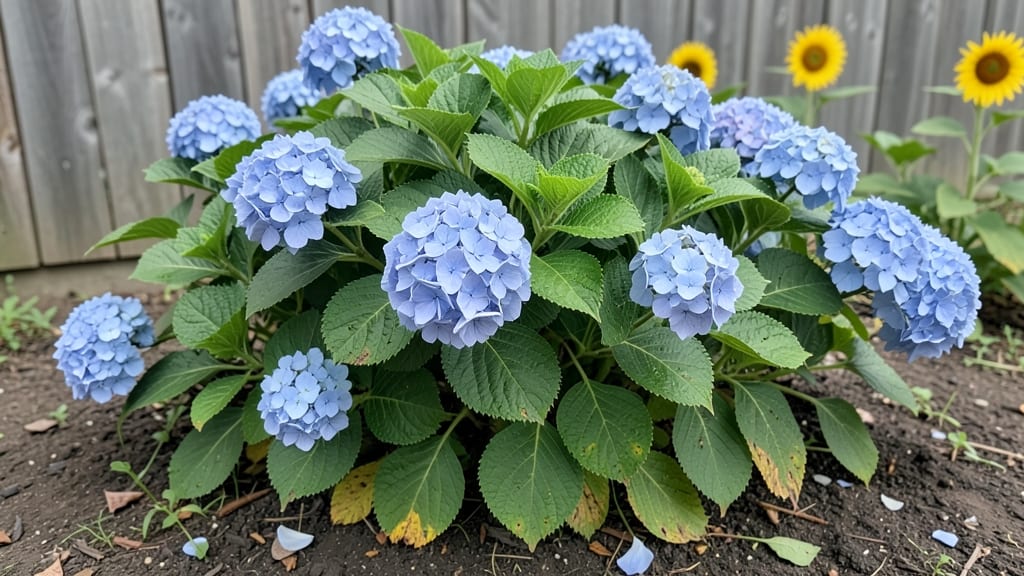
Finding the perfect bush plants for your garden starts with knowing which types thrive where. 🌿 I’ve spent years testing shrubs, dwarf varieties, and climbing bushes to find the ones that actually work in real yards—not just catalog descriptions.
Some need full sun to burst with color, while others hide in shade like quiet greenery guardians.
The right bush can transform a bare corner into a lush focal point or a tidy hedge in just a few seasons. My go-to list includes hydrangeas for dramatic blooms, boxwood for sharp-edged privacy, and butterfly bush to attract pollinators—all with care tips that won’t overwhelm beginners.
No more guessing which plants will flop or fade.
You’ll leave with a clear plan for placement, pruning, and seasonal care that keeps bushes looking effortless. Picture a garden where every plant has a purpose—whether it’s framing a doorway, spilling over a trellis, or standing tall as a statement piece. Let’s make it happen.
Works for small patios, large backyards, or even container gardens—every space deserves a bush that fits. Here’s how to pick the perfect one for your light, soil, and style.
📚 In This Guide
- What you need
- Instructions
- Tips and common mistakes
- Wrapping up and next steps
What you need
- ● Bush plants: Choose from dwarf varieties (e.g., Dwarf Boxwood), climbing types (e.g., Clematis), or shrubs (e.g., Hydrangea). Quantity depends on spacing needs (check plant tags for guidance).
- ● High-quality potting soil: 1–2 bags (sterilized, well-draining mix). For shrubs, consider native soil amended with compost.
- ● Containers or garden beds: Containers: 1–3 pots (10–15 gallons per dwarf/small shrub; larger for climbing types). Ensure drainage holes!
- ● Garden beds: 3–6 ft. wide x 1–2 ft. deep (adjust for mature plant size).
- ● Mulch: 1–2 bags (shredded bark or pine straw) to retain moisture and suppress weeds.
- ● Fertilizer: Slow-release granular (e.g., 10-10-10) or organic options like compost or worm castings.
- ● Hand trowel (for potting or small beds).
- ● Garden gloves (to protect hands from thorns or soil).
- ● Watering can or hose with nozzle (gentle spray for seedlings).
- ● Pruning shears (for shaping or trimming climbing plants).
- ● Measuring tape (to space plants correctly—critical for dwarf/shrub varieties!).
- ● Trellis or obelisk: For climbing plants (e.g., Jasmine or Passionflower).
- ● Plant supports: Stakes or cages for shrubs like Roses.
- ● Slow-release watering spikes: For containers (reduces manual watering).
- ● Plant labels: Wooden or metal tags to track varieties.
- ● Epsom salt: Boosts magnesium for flowering shrubs (e.g., Hydrangeas).
How to choose and care for bush plant types in your garden
Here's how to pick the perfect compact plants for small spaces or borders.
🌿 Step 1: Identify Your Space and Light Conditions
First, measure your planting area—bush plants thrive in defined spaces, so choose varieties that match your dimensions. Dwarf varieties like 'Blueberry Pancake' blueberries or 'Mound Lady' peonies stay under 3 feet tall, perfect for borders or containers. Climbing bushes like 'Clematis 'Jackmanii' need 6-8 feet of vertical support but spread only 1-2 feet wide, ideal for trellises.
Note your sunlight exposure: full sun (6+ hours) suits roses, lavender, and boxwoods, while partial shade (3-6 hours) works for hydrangeas and azaleas. I always check the plant tag—light needs are non-negotiable for healthy growth. If your spot gets afternoon shade, opt for shade-tolerant shrubs like 'Dwarf Fountain' boxwood instead of sun-lovers.
🌱 Step 2: Select Plants Based on Growth Habits
Bush plants fall into three main categories: dwarf, climbing, and shrub. Dwarf varieties like 'Lemon Lime' hydrangea (2-3 feet tall) are perfect for containers or window boxes, while shrubs like 'Angelina' sedum (2-3 feet tall and wide) create low-maintenance ground cover. Climbing bushes like 'Star Jasmine' need support structures but stay compact otherwise.
I like to sketch my garden layout first—place taller plants at the back and shorter ones in front. For example, 'Dwarf Korean Lilac' (3 feet tall) pairs well with 'Little Gem' magnolia (10 feet tall) in a layered border. Always check the mature size on the tag—what starts as a 1-gallon plant can become a 6-foot shrub in 5 years!
☀️ Step 3: Prepare the Planting Site
Dig a hole twice as wide as the root ball but no deeper—this encourages roots to spread outward instead of sitting too low. Amend the native soil with compost or peat moss (if your soil is heavy clay) to improve drainage. For containers, use well-draining potting mix and ensure pots have drainage holes—root rot is the #1 killer of bush plants.
Water the plant deeply before removing it from the pot to minimize root disturbance. Place it in the hole, backfill with native soil, and firm gently around the base. Don’t bury the graft union (if present) on grafted plants—this weakens growth. Mulch with 2-3 inches of organic mulch (like shredded bark) to retain moisture and suppress weeds.
💧 Step 4: Water and Maintain for Healthy Growth
Water deeply once a week (or more in hot weather) until the top 6 inches of soil feel moist. Bush plants hate soggy roots, so always check drainage—if water pools after 30 minutes, amend the soil with sand or perlite. Fertilize lightly in spring with a balanced, slow-release fertilizer (10-10-10) to avoid burning tender roots.
Prune once a year in late winter (before new growth starts) to shape and remove dead wood. For flowering shrubs like 'Knock Out' roses, prune right after blooming to encourage next year’s flowers. I always sterilize my pruners with rubbing alcohol between cuts to prevent disease spread—clean tools = healthier plants.
✂️ Step 5: Monitor and Adjust for Long-Term Success
Watch for pests like aphids or spider mites—they love tender new growth. Spray with neem oil (mixed as directed) at the first sign of trouble. If leaves yellow, it’s usually overwatering or nutrient deficiency—check soil moisture and adjust. For climbing bushes, train vines gently with soft ties to avoid damaging stems.
Rotate container plants quarter-turn weekly so they grow evenly toward the light. In cold climates, protect tender bushes like 'Dwarf Gardenia' with burlap wraps in winter. The key is consistency—once established, bush plants need minimal fuss but reward you with years of color and structure.
Tips & tricks for perfect bush plant selection and care
Here's what I've learned from years of gardening—these tricks will help you avoid common mistakes and get the most out of your compact plants.
Plant Tag Intelligence: Always check the plant tag for mature size—what looks like a 1-gallon plant can easily triple in height and spread. I once planted a 'Dwarf' lilac that ended up touching my neighbor's fence! For containers, choose varieties labeled "compact" or "miniature" like 'Lemon Lime' hydrangea, which stays under 2 feet tall. This prevents the classic "too big for its space" mistake that frustrates so many gardeners.
Light Condition Reality Check: That sunny window might not provide the 6+ hours of full sun roses need. Test your spot for 24 hours first—shadows from buildings or trees can dramatically reduce sunlight. I use a simple app to track sunlight patterns for a week before planting. For afternoon shade spots, opt for shade-tolerant shrubs like 'Dwarf Fountain' boxwood that thrive in 3-6 hours of partial shade.
Root Ball Preparation: The secret to healthy roots is minimal disturbance. Water the plant deeply before removing it from the pot—this keeps the root ball intact. When planting, dig a hole twice as wide but no deeper than the root ball. I always add a handful of compost to the bottom of the hole before placing the plant, which gives roots a nutrient boost right where they need it most.
Mulching Magic: That 2-3 inch layer of organic mulch isn't just for looks—it's a game-changer. It retains moisture (critical for those once-a-week waterings), suppresses weeds, and regulates soil temperature. I use shredded bark mulch because it breaks down slowly, providing nutrients over time. Just make sure to keep mulch 2-3 inches away from the plant stem to prevent rot.
Pro Tips for Bush Plant Types
- Here's what I've learned from years of gardening—these tricks will help you avoid common mistakes and get the most out of your compact plants.
- Plant Tag Intelligence: Always check the plant tag for mature size—what looks like a 1-gallon plant can easily triple in height and spread.
- Light Condition Reality Check: That sunny window might not provide the 6+ hours of full sun roses need.
Frequently asked questions
Got questions about picking the perfect bush for your garden? We’ve got answers! Whether you’re a beginner or a seasoned gardener, these FAQs will help you navigate the world of bush plant types with confidence.
What’s the difference between dwarf, climbing, and shrub bushes?
Dwarf bushes
stay compact (under 3 feet tall), perfect for small spaces or containers. Climbing bushes (like ivy or clematis) need support to grow vertically, ideal for trellises or fences. Shrub bushes are larger, multi-stemmed plants (like hydrangeas or boxwoods) that thrive as standalone features or hedges. Choose based on your space and style!
When is the best time to plant bush varieties?
For most bushes, early spring or fall are the sweet spots—soil is warm enough for roots to establish, but temperatures aren’t extreme. Evergreens can handle cooler springs, while tender perennials (like bougainvillea) need to wait until after the last frost. Always check your local climate zone for precision!
Can I grow bush plants in containers? Yes—but which ones work best?
Dwarf varieties
(like dwarf lilacs or compact boxwoods) thrive in pots, as do trailing bushes like creeping fig. Just ensure your container has drainage holes and use well-draining soil. Climbing bushes need larger pots or vertical planters with trellises. Pro tip: Fertilize regularly to compensate for limited root space!
Why is my bush not growing? Common issues and fixes.
Slow growth usually stems from poor soil, underwatering, or lack of sunlight. Check for yellowing leaves (overwatering) or brown edges (underwatering). Root-bound plants (circling roots) need repotting. Prune dead branches in late winter to encourage new growth. If pests like aphids are present, use neem oil or insecticidal soap.
Are there low-maintenance bush options for busy gardeners?
You bet! Try boxwoods (tough and tidy), abelia (drought-resistant and blooms all season), or inkberry holly (evergreen and pest-free). Ornamental grasses like switchgrass also add texture with minimal fuss. Mulch annually and water deeply 1-2 times/week to keep them happy with minimal effort!
Wrapping up and next steps
From dwarf bushes that add charm to small spaces to climbing varieties that transform walls into living art, and shrubs that bring structure and beauty to your garden, there’s a bush type for every dream landscape! 🌿 Whether you’re a beginner or a seasoned gardener, these plants offer low-maintenance elegance and year-round interest—perfect for adding life, color, and texture to your outdoor space.
Ready to elevate your garden? Start small: pick one bush type that excites you, grab the right tools, and plant with confidence! Your future self (and your garden) will thank you. 🌱✨