
Companion Plants
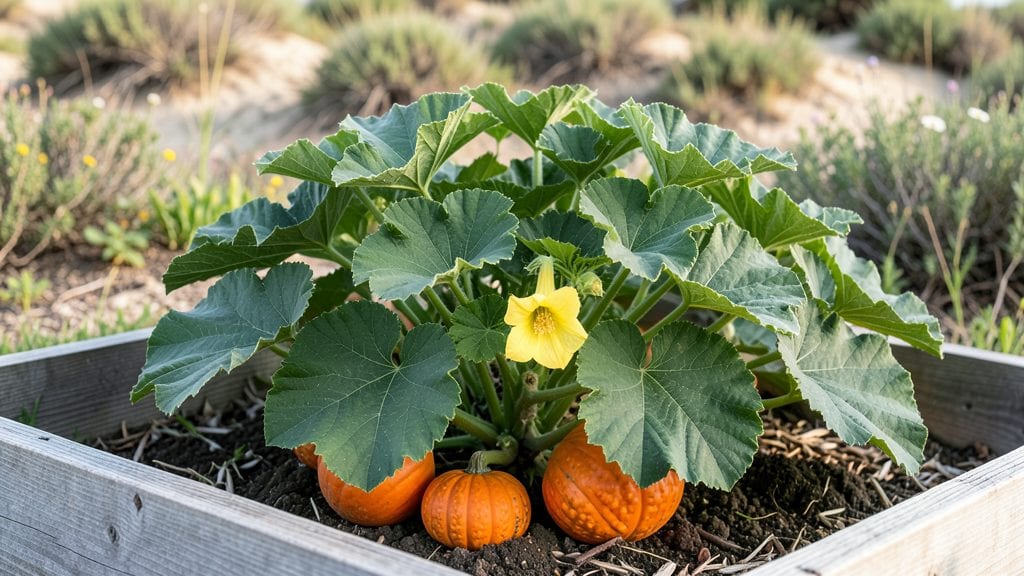
Bush pumpkin plants turn my small urban patio into a mini harvest zone without taking over the yard. 🌱 These compact vines produce sweet, edible pumpkins in half the space of traditional varieties, and the right companion plants keep pests at bay while boosting flavor.
That first harvest—small but mighty—is the best feeling after just 90 days of growing.
You’ll need a sunny spot with at least 6 hours of direct light daily, well-draining soil mixed with compost, and containers or garden beds with 3-4 feet of diameter per plant. Spacing is key: crowd them too close and you’ll lose both pumpkins and leaves to disease.
I swear by bush types like ‘Jack Be Little’ or ‘Minnesota Golden’—they’re the workhorses of small-space gardening, giving you 3-5 pound pumpkins without the sprawl.
The secret to pest-free gardens? Pair your bush pumpkins with nasturtiums (they repel squash bugs), marigolds (deter beetles), and bush beans (fix nitrogen in the soil).
Water at the base in the morning to prevent fungal issues, and watch those vines transform from fuzzy green tendrils into a lush, productive plant by midsummer. The first pumpkins will form in 6-8 weeks, and you’ll be snipping ripe ones by late August.
Even in containers, these plants thrive—just ensure your pots have drainage holes and are at least 15 gallons in size. For larger gardens, interplant with corn or peas to maximize space.
The real magic happens when you see kids (or neighbors) reaching for their own pumpkin, fresh from your plot. Here’s how to keep them growing strong all season.
📚 In This Guide
- What you need
- Instructions
- Tips and common mistakes
- Wrapping up and next steps
What you need
- ● Bush pumpkin seeds: Choose disease-resistant varieties like ‘Jack Be Little’ or ‘Waltham Butternut’ (5–10 seeds per plant, spaced 3–4 feet apart).
- ● Companion plants: Marigolds (3–5 plants per 10 sq ft) – 💡 Repels nematodes and aphids!
- ● Nasturtiums (5–7 plants) – Traps pests like squash bugs.
- ● Basil (2–3 plants) – Deters flies and improves flavor.
- ● Borage (1–2 plants) – Attracts pollinators and deters hornworms.
- ● Soil amendments: Compost (1–2 gallons per planting hole) + balanced fertilizer (10-10-10, 1 tbsp per plant).
- ● Garden tools: Trowel, pruners, and a hoe for weeding.
- ● Mulch: Straw or shredded leaves (2–3 inches thick) to retain moisture.
- ● Watering setup: Drip irrigation or a watering can (1–2 gallons per plant, 2x/week).
- ○ Optional but helpful: Row covers (for early planting to deter pests).
- ● Copper tape (to ward off slugs).
- ● Pest traps (yellow sticky cards for whiteflies).
How to plant bush pumpkin varieties with pest-repelling companions
Here's the proven planting strategy I use to maximize yields while keeping pests at bay.
🌱 Step 1: Choose the Right Bush Pumpkin Varieties and Planting Spots
Select compact bush varieties like 'Jack Be Little', 'Sugar Pie', or 'Waltham Butternut'—they stay under 3 feet tall and spread only 2-3 feet wide, making them perfect for small gardens. Plant in a location with full sun (6+ hours daily) and well-draining soil with a pH between 6.0-6.8.
Bush pumpkins thrive in slightly acidic soil, so test your garden bed before planting. Amend the soil with 2 inches of compost mixed into the top 6 inches of soil. Avoid planting where winter squash or pumpkins grew last year to prevent soil-borne diseases from carrying over.
🌿 Step 2: Plant Bush Pumpkins Alongside Pest-Repelling Herbs
Start by planting 1-2 basil plants per bush pumpkin—they deter squash bugs and improve flavor. Place marigolds (3-4 plants per 4-foot row) around the perimeter to repel nematodes and aphids. I also interplant nasturtiums between pumpkins; their peppery scent masks the pumpkins' aroma, confusing pests like cucumber beetles.
Space bush pumpkins 3-4 feet apart in all directions, leaving 12 inches between herb plants. The key is creating a layered defense: marigolds at the edges, basil near the base, and nasturtiums filling gaps. This multi-layered approach disrupts pest feeding patterns and creates a more resilient garden ecosystem.
☀️ Step 3: Add Tall Companion Plants for Sun and Shade Balance
Plant corn (3-4 plants per bush pumpkin) nearby—their tall stalks provide shade for pumpkin vines during peak afternoon sun, reducing heat stress. Corn also acts as a trellis substitute, supporting pumpkin vines as they grow. I place 1-2 sunflowers per 4-foot section to attract pollinators while adding vertical interest and breaking wind patterns.
Wait until soil temperatures reach 60°F before planting—cold soil delays germination. Plant seeds 1 inch deep and 12 inches apart for corn, and ½ inch deep for sunflowers. Water immediately after planting to settle the soil and encourage root contact. Mulch with 2-3 inches of straw to retain moisture and suppress weeds.
💧 Step 4: Maintain Consistent Watering and Pest Monitoring
Water deeply 2-3 times per week until the soil feels 2 inches dry—bush pumpkins need consistent moisture but hate soggy roots. I water at the base in the morning to prevent fungal diseases from overnight dampness. Fertilize lightly with 5-10-10 fertilizer at planting and again when flowers appear, using only 1 tablespoon per plant.
Check plants daily for squash bugs and aphids—the moment you see them, crush eggs or blast adults off with a strong stream of water. Remove any yellowing leaves immediately; they signal early infection. Healthy companion plants like basil and marigolds should show no signs of stress, indicating the ecosystem is working.
✂️ Step 5: Harvest at Peak Ripeness for Maximum Storage Life
Harvest bush pumpkins when their rinds harden and stems dry out—this usually happens 85-100 days after planting. Use pruning shears to cut stems, leaving 1 inch of stem attached to prevent rot. Cure pumpkins in a warm (80-85°F), dry place for 7-10 days to develop a tougher skin and improve storage life.
Store cured pumpkins in a cool (50-55°F), dark place with good air circulation. They'll keep for 2-3 months if stored properly. Remove companion plants like basil and marigolds after harvest—their roots will break down over winter, enriching the soil for next season's planting.
Tips & tricks for perfect bush pumpkin planting
These battle-tested strategies will help you create a thriving, pest-resistant pumpkin patch that yields big rewards with minimal effort.
Soil Temperature Secret: Don't rush planting until soil reaches that critical 60°F mark—cold soil delays germination and can stunt early growth. I always test soil temperature with a simple thermometer in the morning. The difference between a sluggish start and vigorous seedlings often comes down to this single factor. For northern gardeners, consider using black plastic mulch a week before planting to warm the soil faster.
Companion Planting Precision: When arranging your layered defense system in Step 2, place marigolds on the outer perimeter first—their strong scent acts as a natural boundary marker for pests. Then position basil right next to pumpkin stems (within 6 inches), as their roots release compounds that deter squash bugs. The nasturtiums should fill the gaps between plants, creating a visual and olfactory barrier that confuses pests trying to locate your pumpkins. Think of it as creating concentric circles of protection.
Sunlight Strategy: The 6+ hours of full sun requirement is non-negotiable, but don't assume every sunny spot is equal. I've found that planting bush pumpkins on the north side of taller corn plants (Step 3) creates ideal microclimates—morning sun warms the soil while afternoon shade prevents heat stress. This positioning also maximizes the corn's natural trellis benefits while protecting pumpkins from intense midday sun that can scorch leaves. Rotate your planting layout if you notice leaf burn patterns.
Harvest Timing Tip: Those 85-100 days to maturity can feel like an eternity, but resist the urge to harvest early. The key is watching for that perfect combination of hardened rind and dried stem—this usually happens about 2 weeks after the first frost in my zone 6 garden. I mark potential harvest candidates with flags when they reach 75% maturity, then check daily. Early harvest means shorter storage life, while waiting too long risks over-ripening and rot.
Pro Tips for Bush Pumpkin Plants
- These battle-tested strategies will help you create a thriving, pest-resistant pumpkin patch that yields big rewards with minimal effort.
- Soil Temperature Secret: Don't rush planting until soil reaches that critical 60°F mark—cold soil delays germination and can stunt early growth.
- Companion Planting Precision: When arranging your layered defense system in Step 2, place marigolds on the outer perimeter first—their strong scent acts as a natural boundary marker for pests.
Frequently asked questions
Got questions about growing bush pumpkin plants? You’re not alone!
Here are some of the most common queries—plus quick, actionable answers to keep your garden thriving.
How close can I plant bush pumpkins to their companion plants?
Bush pumpkins need space (3–4 feet apart), but their companions—like nasturtiums or marigolds—can be planted right up against their vines. Just avoid overcrowding with other large plants (e.g., corn or melons). Pro tip: Use vertical trellises for bush varieties to save space!
When is the best time to plant bush pumpkins with companions?
Start seeds 2–3 weeks after your last frost date (or transplant seedlings when soil hits 70°F). Pair them with fast-growing companions like basil or radishes early in the season, and add slower growers (e.g., thyme or rosemary) once pumpkins are established. Warm soil = faster germination!
What if pests still attack my bush pumpkins despite companions?
Companion plants help, but aphids, squash bugs, or powdery mildew might still strike. Try these fixes:
- Neem oil spray (for soft-bodied pests)
- Row covers (early season)
- Handpick eggs (check under leaves daily!)
- Rotate crops next year—don’t replant pumpkins in the same spot.
Can I grow bush pumpkins in containers?
Choose large pots (15+ gallons) with drainage holes and a lightweight potting mix. Dwarf varieties like ‘Jack Be Little’ thrive in containers. Pair them with trailing companions like Luffa or cucumbers to maximize space. Just ensure they get 6+ hours of sun daily!
Are bush pumpkins as productive as vining types?
Bush pumpkins produce fewer but larger, higher-quality fruits than vining types. Expect 2–4 pumpkins per plant (vs. 6+ for vining varieties). For bigger yields, plant 3–4 bush plants instead of 1–2 vining ones. Bonus: Less sprawl = easier harvesting!
Wrapping up and next steps
Growing bush pumpkin plants alongside the right companion plants can transform your garden into a thriving, pest-resistant haven! 🌱 From deterring squash bugs with marigolds to boosting growth with beans, these pairings make gardening easier—and more rewarding.
With the right prep and plant choices, you’re well on your way to a bountiful harvest with minimal fuss.
Ready to put your new knowledge into action? Start by sketching a simple garden layout—place your bush pumpkins strategically among their best companions, and watch your garden flourish! 🚀