
Pruning
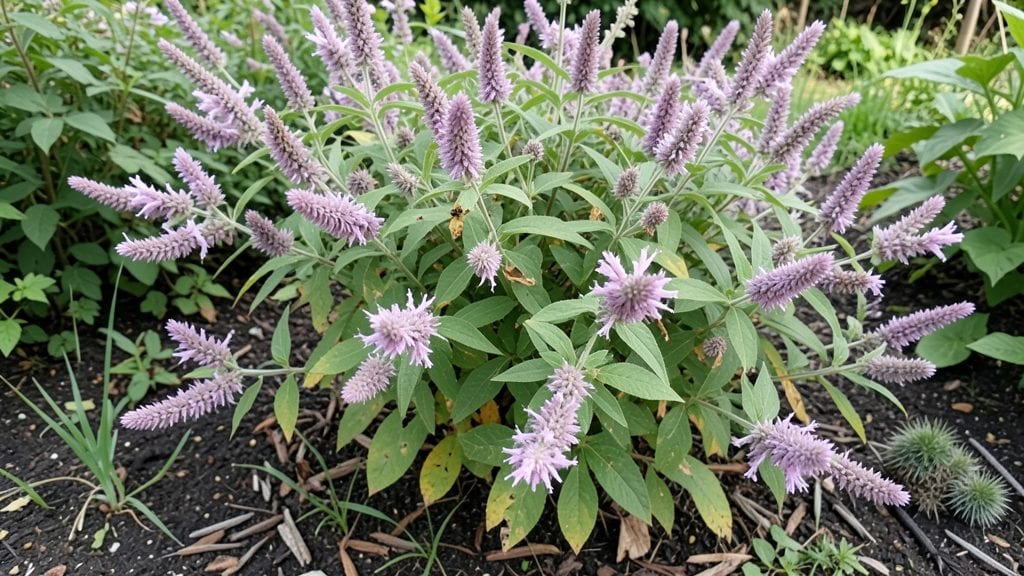
Mastering butterfly bush planting and care turns your yard into a pollinator paradise—just ask the monarchs and swallowtails that claimed my blooms last spring! ✨ The key to success starts with the right spot—full sun and well-draining soil are non-negotiable for these vigorous growers.
Most people overlook soil prep, but amending with compost before planting makes all the difference. You’ll also need pruners for those three seasonal trims—late winter, mid-summer, and after blooming—that keep the plant compact and flowering nonstop. Don’t skip the first cut in late winter; it’s what kickstarts the season’s growth.
By summer’s end, you’ll have a bush covered in fragrant purple blooms that attract butterflies from dawn till dusk. The best part? These plants thrive with minimal fuss—just water when the top inch of soil dries out and feed lightly in spring.
Even my first-year plant produced blooms that lasted from June through September.
Works in zones 5-9, handles drought once established, and even tolerates urban pollution. Here’s how to get started without the common pitfalls that leave bushes leggy or sparse.
📚 In This Guide
- What you need
- Instructions
- Tips and common mistakes
- Wrapping up and next steps
What you need
- ● Butterfly bush plant: 1-3 nursery-grown plants (choose disease-resistant varieties like Buddleia davidii or Buddleia alternifolia)
- ● OR seeds (if starting from scratch—requires patience for slower growth)
- ● Soil: Well-draining potting mix (for containers) OR amended garden soil (loamy, slightly alkaline, pH 6.0–7.5)
- ● Compost (1–2 gallons per plant to enrich soil)
- ● Perlite or sand (1 part per 3 parts soil, for drainage)
- ● Planting tools: Garden trowel or transplant spade
- ● Gloves (to protect hands from thorns)
- ● Watering can or hose with a gentle spray nozzle
- ● Fertilizer: Balanced, slow-release fertilizer (10-10-10 or 20-20-20, 1–2 tbsp per plant)
- ○ Organic options: Fish emulsion or compost tea (optional)
- ● Mulch (2–3 inches of shredded bark or pine needles to retain moisture)
- ● Pruning shears (sharp, bypass-style for clean cuts)
- ● Stakes or cages (if your bush needs support in windy areas)
- ● Butterfly-friendly companion plants (e.g., coneflowers, milkweed, or lavender)
- ● Drip irrigation system (for automated watering in dry climates)
Instructions for planting and caring for a thriving butterfly bush
Here's the straightforward approach I use to keep these pollinator magnets blooming for months.
🌱 Step 1: Select the Perfect Planting Spot
Choose a location with full sun exposure (6-8 hours daily)—butterfly bushes need plenty of light to produce their signature blooms. I always pick a spot with well-draining soil because soggy roots will rot quickly. If your soil feels heavy or compacted, mix in a few inches of compost to improve drainage.
Butterfly bushes tolerate a range of soil types but thrive best in slightly acidic to neutral soil (pH 6.0-7.0). Test your soil's pH with a simple kit if you're unsure—amending the soil beforehand saves headaches later. Space plants 4-6 feet apart to allow for mature growth without overcrowding.
🪴 Step 2: Plant Your Butterfly Bush Correctly
Dig a hole twice as wide as the root ball but no deeper—planting too deep suffocates the roots. Gently remove the plant from its container and loosen any circling roots with your fingers. This encourages outward growth instead of a tangled mess.
Place the plant in the hole so the top of the root ball sits 1 inch above ground level. Backfill with native soil, pressing lightly to eliminate air pockets. Water deeply right after planting to settle the soil and eliminate gaps. You'll know you've done it right when the soil looks evenly moist and the plant stands upright without wobbling.
☀️ Step 3: Water and Fertilize for Strong Growth
Water deeply once a week during the first growing season, aiming for 1-1.5 inches of water per week. Let the top 2 inches of soil dry out between waterings—this prevents root rot while keeping the plant hydrated. After the first year, butterfly bushes become quite drought-tolerant once established.
Apply a balanced, slow-release fertilizer (10-10-10) in early spring as new growth begins. I like to sprinkle it around the base and water it in thoroughly. Avoid high-nitrogen fertilizers—they promote leafy growth at the expense of flowers, which is the whole point of planting this beauty!
✂️ Step 4: Prune for Year-Round Blooms
First trim: Cut back one-third of the oldest stems to the ground in late winter or early spring before new growth begins. This rejuvenates the plant and encourages vigorous new shoots. Watch for fresh green buds along the stems—they'll tell you exactly where new growth will emerge.
Second trim: After the first flush of blooms fades, cut back the spent flowers by one-third of their length. This stimulates a second round of blooms later in the season. Finally, give a light shaping trim in late summer to maintain the plant's form and encourage one last burst of fall flowers.
🌿 Step 5: Maintain Through the Seasons
In late fall, cut back any dead or diseased stems to the base. Leave the healthy stems intact—they provide winter interest and protect the plant from harsh winds. Mulch around the base with 2-3 inches of organic mulch to insulate roots and retain moisture.
Watch for pests like aphids or spider mites, especially on new growth. A strong spray of water usually knocks them off, but severe infestations may require insecticidal soap. You'll know your care routine is working when your butterfly bush bursts into blooms from early summer through fall, attracting waves of pollinators to your garden.
Tips & tricks for perfect butterfly bush planting and care
These simple strategies will help your butterfly bush thrive and bloom like crazy all season long.
The Sunlight Secret: Watch for the 6-8 hours of direct sunlight mentioned in Step 1—this is non-negotiable for blooms. I've seen plants in partial shade struggle to produce flowers, even with perfect care. If your yard has afternoon shade, consider planting near a south-facing wall or fence that reflects sunlight back to the plant. Morning sun alone won't cut it for these sun-worshippers!
Root Ball Rescue: When loosening circling roots in Step 2, don't worry about being too gentle—you can't damage roots by handling them too much. The key is to spread them outward naturally. I like to use my fingers to gently pull apart any tightly wound roots while still in the container before planting. This prevents that "pot-bound" look where roots grow in circles.
Watering Wisdom: The 1-1.5 inches of water per week guideline in Step 3 works perfectly, but here's the real trick: water deeply but infrequently. I use a rain gauge or tuna can to measure exactly 1.5 inches—this prevents shallow root development. Let that top 2 inches of soil dry out between waterings, and you'll encourage strong root growth that can handle drought once established.
Pruning Pro Tip: For the first trim in Step 4, focus on removing stems that are brown or woody at the base—these won't produce new growth. Save the green stems! I like to mark the stems I'm cutting with a piece of twine before I start pruning. This visual cue helps me see which ones I've already trimmed and which still need attention. The fresh green buds will tell you exactly where new growth will emerge.
Pro Tips for Butterfly Bush Planting And Care
- These simple strategies will help your butterfly bush thrive and bloom like crazy all season long.
- The Sunlight Secret: Watch for the 6-8 hours of direct sunlight mentioned in Step 1—this is non-negotiable for blooms.
- Root Ball Rescue: When loosening circling roots in Step 2, don't worry about being too gentle—you can't damage roots by handling them too much.
Frequently asked questions
Got questions about keeping your butterfly bush thriving? We’ve got answers! Whether you’re a first-time gardener or a seasoned pro, these FAQs will help you grow a stunning, low-maintenance shrub that attracts pollinators all season long.
When is the best time to plant a butterfly bush?
The ideal time to plant butterfly bushes is in early spring (after the last frost) or early fall (4-6 weeks before the first frost). This gives roots time to establish before extreme temperatures. If you’re in a mild climate, you can plant year-round—but avoid planting in summer heat or winter cold.
How often should I prune my butterfly bush?
Prune butterfly bushes three times a year for continuous blooms:
- Late winter/early spring: Cut back 1/3 of the plant to encourage new growth.
- Mid-summer: Trim spent flowers to promote more blooms.
- Fall: Lightly shape the bush and remove dead or weak stems.
Why aren’t butterflies visiting my butterfly bush?
Butterflies love butterfly bushes, but a few factors might keep them away:
- No blooms: Ensure you’re pruning correctly (see above) and fertilizing lightly in spring.
- Pesticides: Avoid chemicals—use neem oil or insecticidal soap only if necessary.
- Location: Plant in full sun (6+ hours/day) and near water sources.
- Wrong variety: Some cultivars (like Buddleia davidii) attract more butterflies than others.
Can I grow a butterfly bush in a container?
Yes! Butterfly bushes thrive in large containers (15+ gallons) with:
- Well-draining potting mix (add perlite for aeration).
- A sunny spot (south or west-facing).
- Regular watering (keep soil moist but not soggy).
My butterfly bush leaves are turning yellow—what’s wrong?
Yellow leaves usually signal one of these issues:
- Overwatering: Check soil moisture—butterfly bushes prefer dry spells between waterings.
- Underwatering: Wilting or crispy edges mean it’s thirsty (water deeply 1-2x/week in dry climates).
- Nutrient deficiency: Feed with a balanced fertilizer (10-10-10) in spring.
- Fungal disease: Yellow spots with black edges? Prune affected areas and improve air circulation.
Wrapping up and next steps
Planting and caring for a butterfly bush is a rewarding way to attract pollinators and add vibrant color to your garden! With the right location, soil prep, and seasonal trims, you’ll enjoy stunning blooms for three seasons—and maybe even a bonus fourth. 🌸
Ready to transform your outdoor space? Start by choosing your spot, then grab your pruners and get trimming—your garden (and the butterflies!) will thank you. Happy gardening! 🌿