Plants
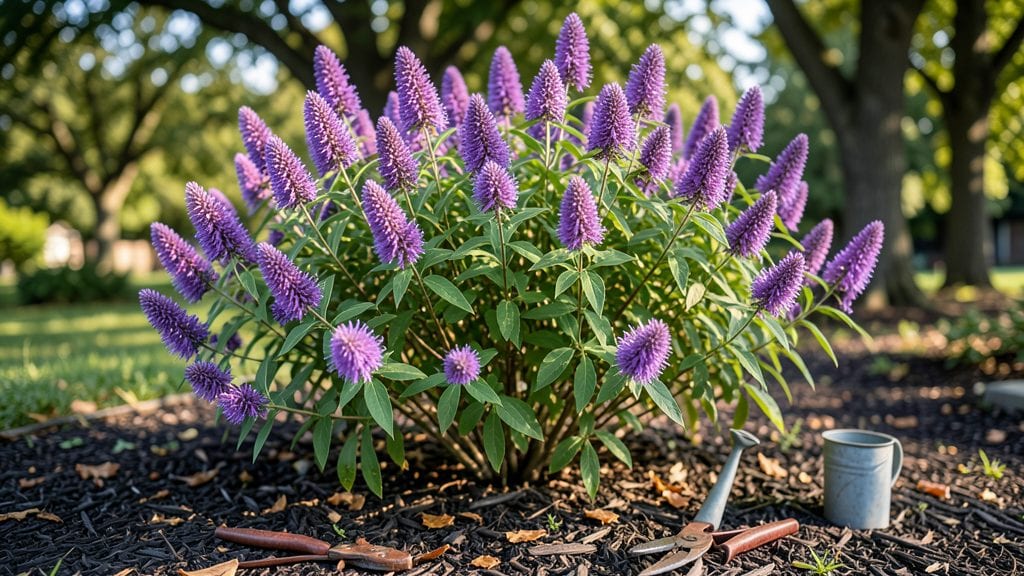
That butterfly-looking plant isn’t just pretty—it’s the secret to gardens that feel like living art. 🌿 I fell in love with their delicate, wing-like blooms after planting a single butterfly bush, and now my borders buzz with color and life.
These plants attract pollinators while adding whimsical charm that no other flowers match.
The best butterfly plants—like the butterfly pea, Mexican sunflower, and butterfly weed—thrive in full sun with well-drained soil. Their vibrant blooms come in shades of purple, yellow, and orange, creating natural color palettes that brighten any garden bed.
Pair them with coneflowers or black-eyed Susans for a pollinator-friendly display that never goes out of style.
You'll end up with garden beds that look like they belong in a storybook, filled with movement and color. The foliage stays lush all season, and the butterflies make every stroll through your yard feel magical. These plants work in borders, containers, or as focal points in cottage-style gardens.
Perfect for pollinator gardens, themed displays, or simply adding personality to your landscape. Here's how to choose and arrange them for maximum impact.
Unusual Leaf Shapes Explained
If your butterfly-like foliage plant (like Caladium, Alocasia, or Aglaonema) isn’t living up to its whimsical name, the issue likely stems from one of three core causes: genetic quirks, environmental stress, or care missteps.
Understanding these triggers helps you nurture the dramatic, winged leaves you love. Let’s break down the science—and how to fix it.
Not all plants labeled as "butterfly plants" are created equal. Some species naturally produce less pronounced leaf patterns due to genetics, while others may revert to simpler shapes if grown from seed (rather than propagated cuttings). Here’s why:
- Hybridization: Many butterfly-looking plants (e.g., Caladium ‘White Queen’) are hybrids bred for bold patterns. If you’re growing from seed, the offspring may inherit diluted or inconsistent markings—think of it like rolling the dice on a less dramatic version of the parent plant.
- Juvenile vs. Mature Leaves: Young leaves often start plain or lobed before developing their signature "wings." Patience is key—some varieties (like Alocasia) take 1–2 years to showcase their full butterfly-like glory.
- Variegation Loss: Plants like Aglaonema may lose their striking patterns if grown in low light or nutrient-deficient soil, causing chlorophyll to dominate and dulling the "butterfly effect."
Actionable Fix:
- 🔍 Buy named cultivars (e.g., Caladium ‘Pink Beauty’) from reputable nurseries to guarantee bold patterns.
- 🌱 Propagate from mature leaves (via division or stem cuttings) to preserve the parent plant’s traits.
- ⏳ Wait it out—if your plant is young, give it time to mature before judging its "butterfly potential."
Butterfly plants thrive on drama—both in their leaves and their growing conditions. When these plants don’t get the right mix of light, humidity, or temperature, their leaves may shrink, lose color, or flatten, making them look more like underwhelming green paddles than showstopping wings. Here’s the science:
| Stressor | How It Affects Leaves | Ideal Fix |
|---|---|---|
| Low Light (<50% sunlight) | Leaves grow large but pale, with diluted patterns or no lobing. Chlorophyll overpowers pigments. | Move to bright, indirect light (e.g., near an east-facing window). Avoid harsh midday sun, which can scorch. |
| Dry Air (<40% humidity) | Leaves curl at the edges or develop brown tips, losing their delicate, "butterfly" texture. Growth slows. | Use a pebble tray with water or a humidifier. Group plants together to create a microclimate. |
| Temperature Fluctuations (<60°F or >85°F) | Leaves may yellow or drop prematurely, stunting new growth. Cold drafts cause mottled patterns (not the desired "wings"). | Keep in 65–80°F ranges. Avoid placing near AC vents, heaters, or drafty windows. |
Pro Tip: 🌡️ Butterfly plants (especially tropical varieties) hate sudden changes. If you’re troubleshooting, adjust one condition at a time (e.g., humidity first, then light) to isolate the issue.
Even with perfect genetics and environment, over- or under-care can turn your butterfly plant into a bland leaf factory. Here’s how common mistakes sabotage those stunning patterns:
- Overwatering: Soggy soil drowns roots, causing leaves to yellow and droop. New growth may emerge small and deformed, lacking the intricate veining of a true butterfly leaf.
- Underwatering: Dry soil triggers crispy edges and stunted growth. The plant conserves energy by producing fewer, simpler leaves.
- Nutrient Imbalance:
- Too much nitrogen = Large, green leaves with weak patterns (prioritizing growth over aesthetics).
- Too little phosphorus = Slow growth and dull colors (phosphorus fuels vibrant foliage).
- Root Bound: If roots circle the pot, the plant can’t absorb nutrients efficiently, leading to small, underwhelming leaves.
Actionable Fixes:
- 💧 Water only when the top 1–2 inches of soil are dry. Use well-draining soil (e.g., mix potting soil with perlite).
- 🌿 Fertilize with a balanced 20-20-20 formula every 4–6 weeks in spring/summer. For more vibrant patterns, use a high-phosphorus fertilizer (e.g., 10-30-20).
- 🪴 Repot every 1–2 years or when roots emerge from drainage holes. Choose a pot 1–2 inches larger.
✨ Bonus: If your plant’s leaves are too plain but healthy otherwise, try pruning the dullest leaves to encourage new, more dramatic growth from the center.
Reviving Your Plant’s Vibrant Look
If your butterfly-like foliage plant is losing its charm—whether through yellowing leaves, wilted stems, or a lackluster appearance—don’t fret! Most issues have simple fixes, and with a little care, your plant can bounce back to its stunning, whimsical best.
Below, we’ve mapped out the most common problems and their solutions, along with prevention tips to keep your plant thriving long-term.
Cause: Overwatering, underwatering, or nutrient deficiencies. Fix It:
First, check the soil moisture by sticking your finger about an inch deep—if it’s soggy, your plant is drowning. If it’s bone-dry, it’s thirsty. Adjust your watering schedule to every 1-2 weeks (or when the top inch of soil feels dry).
For browning edges, trim the damaged leaves with clean scissors and repot the plant in fresh, well-draining soil.
Prevention Tips:
- 💡 Use a pot with drainage holes to prevent root rot.
- 🌡️ Water in the morning so excess moisture evaporates by evening.
- 🍽️ Fertilize lightly with a balanced liquid fertilizer every 4-6 weeks during growing season.
Cause: Lack of sunlight or overcrowding. Fix It:
Move your plant to a bright, indirect light spot (like near an east-facing window). If the stems are too stretched, you can prune them back by 1/3 to encourage bushier growth. Rotate the pot occasionally so all sides get equal light.
Prevention Tips:
- ✨ Place it 1-3 feet from a window for optimal light without scorching.
- 🌱 Thin out crowded stems to improve airflow and reduce competition for nutrients.
- 🎯 Consider a grow light if natural light is insufficient (12-14 hours/day).
Cause: Dry air, stress, or poor hygiene. Fix It:
Start by isolating the plant to prevent pests from spreading. Wipe leaves with a soapy water solution (1 tsp mild dish soap + 1 quart water) using a soft cloth or sponge.
For severe infestations, spray with neem oil (1 tsp neem oil + 1 quart water + a drop of dish soap). Repeat every 5-7 days until pests vanish.
Prevention Tips:
- 🔥 Mist leaves regularly (especially in dry climates) to deter pests.
- 👨🍳 Inspect new plants before bringing them indoors.
- 🌿 Encourage beneficial insects like ladybugs to keep pests in check.
Cause: Root rot, dehydration, or sudden temperature changes. Fix It:
If the soil is waterlogged, remove the plant from its pot and inspect the roots. Trim any mushy, black roots with sterilized scissors, then repot in fresh, dry soil.
For dehydration, give it a deep watering and place it in a humid environment (like a bathroom or kitchen) until it recovers.
Prevention Tips:
- 🔪 Repot every 2 years to refresh the soil and prevent compaction.
- 🏡 Avoid drafts or AC vents that cause sudden temperature swings.
- 💧 Use a moisture meter to track soil conditions accurately.
With these targeted fixes, your butterfly-like foliage plant should regain its lush, eye-catching appeal in no time. Consistency is key—monitor its progress and adjust care as needed. Happy gardening! 🌸🌿
Frequently asked questions
What are the most popular butterfly-looking plants for gardens?
The top choices include Butterfly Bush (Buddleia), Mexican Sunflower (Tithonia), Butterfly Weed (Asclepias), and Caladium for their striking foliage. These plants attract pollinators while adding whimsical charm to garden beds, borders, or containers.
How do I attract more butterflies to my garden?
Plant native butterfly host plants like milkweed (for monarchs) and nectar-rich flowers such as coneflowers or bee balm. Place them in sunny locations with well-drained soil, and avoid pesticides to create a safe haven for these delicate visitors.
Can I grow butterfly plants in containers?
Compact varieties like Butterfly Pea (Clitoria ternatea) or Dwarf Butterfly Bush thrive in pots. Use well-draining soil and ensure the container has drainage holes. Place them near windows or balconies where they’ll get 6+ hours of sunlight daily.
Why aren’t my butterfly plants blooming?
Check for proper sunlight (most need full sun), balanced fertilizer (high in phosphorus), and pruning dead flowers to encourage new blooms. Overcrowded plants may also need thinning to improve airflow and flowering.
Are butterfly plants toxic to pets?
Some are! Butterfly Bush (Buddleia) is toxic to dogs and cats, while Caladium contains calcium oxalate crystals that can irritate pets. Always research before planting near pets or children, and opt for pet-safe alternatives like Black-Eyed Susan if needed.