
Propagation
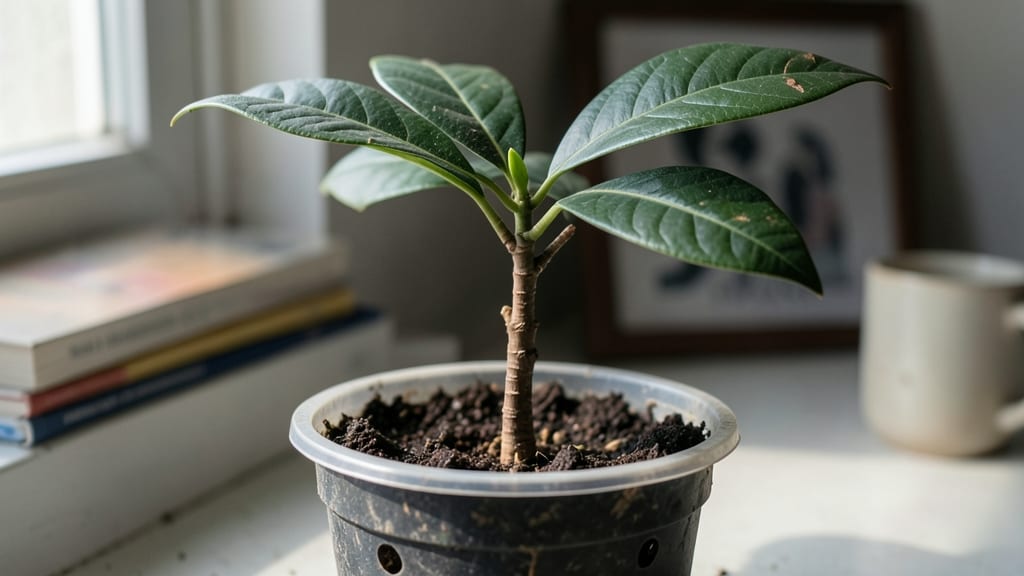
Planting a mango seed is absolutely possible, though success depends on creating the right conditions—drying the seed properly, soaking it overnight, and maintaining warm, humid soil until germination occurs in 2-4 weeks.
Mango seeds are notoriously slow to sprout because their thick outer shell protects the embryo from drying out, but also delays water absorption. 🌱 The key is balancing moisture—too little and the seed won't activate, too much and it rots before germinating.
I've found that wrapping the planted seed in a plastic bag creates the tropical humidity it craves, while a sunny windowsill provides the indirect light young seedlings need without scorching them.
Most people underestimate how long this process takes—some seeds won't even crack open for 6-8 weeks, especially if stored improperly. Patience is everything here, as forcing the seed with heat or chemicals rarely works and can damage the delicate root system forming inside.
💡 In This Article
- Mango Seed Germination Science and Requirements
- Step-by-Step Guide to Growing a Mango Tree from Seed
Mango seed germination science and requirements
Mango seeds germinate slowly because their thick, fibrous outer shell acts as a natural barrier that regulates water absorption and oxygen flow to the embryo. Unlike faster-sprouting seeds like beans (which germinate in 3-7 days), mango seeds often take 4-8 weeks to crack open due to this protective layer.
The seed's dormancy isn't true biological dormancy but rather a physical resistance to premature germination—nature's way of ensuring the seedling emerges only when conditions are optimal in its tropical habitat.
The ideal germination temperature range for mango seeds is 70-80°F, mimicking the warmth of their native environments. Below 65°F, metabolic processes slow dramatically, while above 85°F, the seed risks overheating. Humidity plays an equally critical role—maintaining 70-80% relative humidity prevents the seed from drying out too quickly.
I've noticed that seeds planted in well-draining potting mix (like a 50/50 blend of peat moss and perlite) stay moist longer without becoming waterlogged, which is crucial since excess moisture triggers fungal growth that can rot the seed before germination.
Light exposure is often misunderstood—mango seeds don't need direct sunlight during germination but benefit from bright, indirect light (like a south-facing window). The seedling's first leaves (cotyledons) are energy producers, and insufficient light causes them to develop weakly, leading to leggy, unstable seedlings.
What most people don't realize is that the seed's natural orientation matters too: planting it pointy end up (the radicle) ensures the root grows downward first, while the shoot emerges upward. Reversing this can delay germination by weeks.
Common pitfalls include overwatering (which suffocates the seed) and improper drying before planting. Seeds should be air-dried for 3-5 days after extraction to harden the shell slightly, preventing premature rotting. I've seen beginners rush this step, leading to seeds that mold within days.
Another critical factor is the seed's freshness—seeds from store-bought mangos often have 30-50% lower germination rates than those from fresh, ripe fruit because the embryo's viability declines rapidly after harvest.
Here's what's actually happening chemically: The seed's outer shell contains compounds that inhibit germination until sufficient moisture triggers enzymatic activity. Once soaked, these enzymes break down stored starches in the endosperm into simple sugars that fuel the growing embryo.
The seed's natural waxy coating also repels excessive water, which is why a 24-hour soak in room-temperature water is ideal—any longer risks softening the shell too much and inviting bacterial growth.
For best results, I recommend using a clear plastic container with drainage holes to monitor moisture levels visually. Place the container in a warm spot (like on top of a refrigerator) and cover it with a plastic wrap secured loosely to maintain humidity.
The first visible sign of life is usually a tiny white root (1/4 inch) breaking through the shell, followed by the shoot emerging 1-2 weeks later. Patience here is key—some seeds take up to 12 weeks to sprout if conditions aren't perfect.
What most people don't realize is that the seed's germination success rate drops dramatically if stored improperly.
Keeping seeds in a cool, dry place (like a sealed container in the fridge) can extend viability for up to 6 months, but even then, fresh seeds germinate at 60-70% success rates compared to 20-30% for older seeds.
This biological quirk explains why gardeners often have better luck with seeds planted immediately after extraction.