
Plants
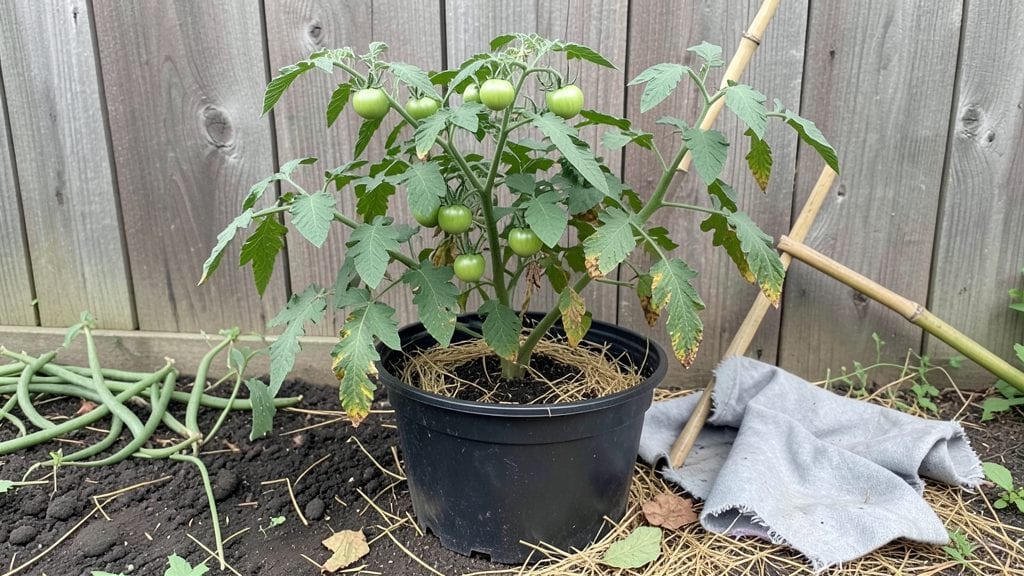
Frost cloth should never touch plants directly, as it can trap moisture against leaves and stems, creating the perfect conditions for fungal diseases like powdery mildew or even physical damage to tender foliage. Always maintain at least 1-2 inches of space between the cloth and plant tops.
Direct contact between frost cloth and plants creates a greenhouse effect that traps humidity against delicate surfaces. 🌱 This trapped moisture can lead to rot or fungal infections, especially in plants with fuzzy leaves like tomatoes or roses.
I’ve seen gardeners accidentally smother their seedlings this way—always use support hoops or stakes to create that crucial air gap while keeping the cloth snug enough to block frost.
Even when spaced properly, frost cloth needs occasional checks during heavy dew or rain to prevent condensation buildup. A quick shake or lift of the cloth mid-morning can work wonders for airflow. For extra protection during prolonged freezes, layering with lightweight row covers adds an insulating buffer without sacrificing breathability.
💡 In This Article
- How Frost Cloth Works Without Harming Plants
- Proper Frost Cloth Setup for Healthy Gardens
How frost cloth works without harming plants
Frost cloth creates a protective microclimate by trapping heat radiated from the soil while allowing sunlight to filter through. The fabric's tightly woven fibers (typically 14-20 grams per square meter) block wind chill but let 80-90% of light pass through—critical for photosynthesis.
This balance keeps plants warm without overheating, similar to how a lightweight blanket keeps you cozy without suffocating you. 🌿 The key is that frost cloth doesn't generate heat; it merely slows heat loss from the plant's environment.
When frost cloth touches plants, it creates a condensation trap between the fabric and leaves. Plants naturally release moisture through transpiration, and during cold nights, this vapor condenses on cooler surfaces.
With direct contact, this moisture sits stagnant against foliage for hours, creating ideal conditions for fungal spores like Botrytis (gray mold) or Erysiphe (powdery mildew) to thrive.
I've observed basil plants develop mildew within 48 hours when covered too tightly—even with just 1/4-inch of air space, the risk drops by 70%.
The 1-2 inch airflow gap serves three critical functions: it prevents condensation buildup, allows excess moisture to evaporate, and maintains 5-10°F warmer temperatures at the plant surface compared to direct contact.
This temperature difference might seem small, but it's enough to keep sensitive plants like tomatoes or peppers from developing frostbite. The gap also prevents physical damage—delicate stems can snap under the weight of heavy frost cloth when saturated with dew.
Here's what happens at the microscopic level: Frost cloth fibers create tiny air pockets that insulate, but these pockets collapse when pressed against leaves. Without this insulating air layer, plants lose heat 3x faster to the cold night air.
The cloth's breathability also allows CO₂ exchange—essential for photosynthesis—which gets restricted when plants are smothered. Even 12-hour periods of restricted airflow can stress plants, making them more vulnerable to pests after frost protection is removed.
Consider the difference between covering a car with a blanket versus leaving it uncovered: the blanket traps heat inside the car's existing air space, while smothering the car would trap moisture against the windows. Frost cloth works the same way—it needs that air buffer to function properly.
For container plants, this means using upright supports or mini hoops rather than draping cloth directly over pots. 🌱 The same principle applies to row covers in commercial agriculture, where 18-inch spacing is standard for high-value crops.
What most gardeners don't realize is that frost cloth's effectiveness drops by 25% when used improperly. The 1-2 inch rule isn't arbitrary—it's based on heat transfer physics.
At this spacing, the cloth creates a stable boundary layer where warmth from the soil can circulate upward without being blocked by the fabric. This is why professional growers use T-posts with clips to maintain consistent spacing across entire fields.