
Planting
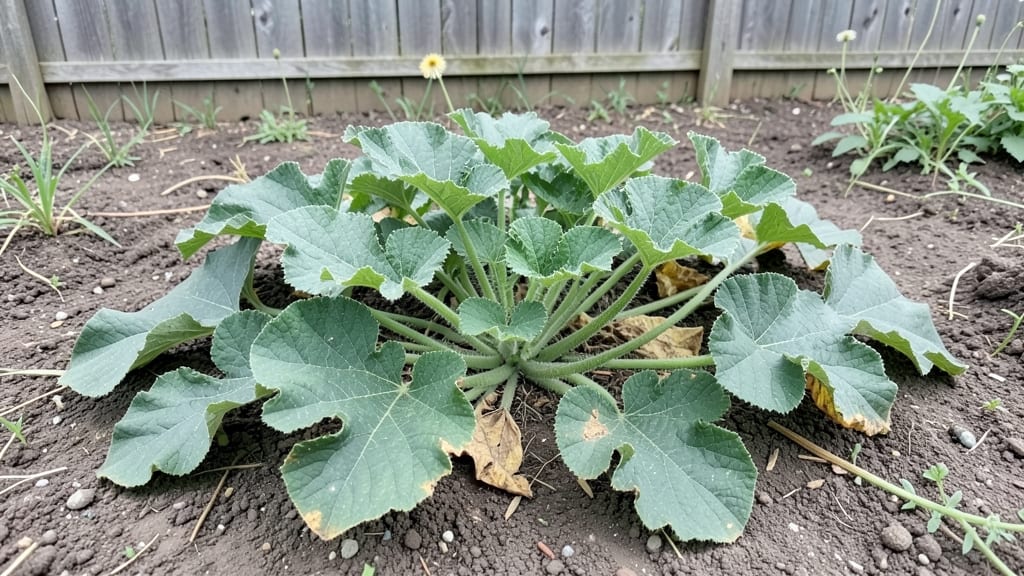
If the cantaloupe plant leaf suddenly looks like it’s been zapped with a cheese grater, powdery mildew is likely the culprit—those white spots? 🌿 They’re not just ugly, they’re stealing your plant’s energy.
The good news? Most cantaloupe leaf problems have simple fixes, and catching them early means bigger, sweeter fruit by harvest time.
First, grab some basic supplies: a magnifying glass (to spot tiny pests), a spray bottle (for homemade remedies), and a pair of pruners (for cleaning up damage). The key is acting fast—whether it’s wiping down leaves with neem oil for mildew or picking off cucumber beetles by hand.
I’ve saved entire plants by catching issues when just a few leaves showed symptoms, so don’t wait until half the vine looks like Swiss cheese.
You’ll end up with glossy, vibrant leaves that tell you the plant’s thriving—not just surviving. Healthy foliage means better photosynthesis, which translates to those classic cantaloupe aromas filling your garden by late summer.
The secret? Regular checks, especially after rain or when new growth appears, so you catch problems before they spread.
Works for both backyard gardens and container growers—just adjust your approach based on space. Here’s how to diagnose and treat those five most common stressors before they ruin your harvest.
📚 In This Guide
- What you need
- Instructions
- Tips and common mistakes
- Wrapping up and next steps
What you need
- ● Cantaloupe seeds or seedlings: 3–5 plants (or 1–2 per container if growing in pots). Choose disease-resistant varieties like 'Athena' or 'Hale’s Best'.
- ● Well-draining potting mix: 5–10 gallons (or 1–2 bags per plant). Opt for a blend with 50–60% compost for nutrients.
- ● Containers or garden bed: For containers: 5-gallon pots or larger (minimum 12" diameter).
- ● For in-ground: Full sun (6+ hours/day), loose soil with pH 6.0–6.8.
- ● Fertilizer: Balanced fertilizer (10-10-10): 1 tbsp per plant at planting.
- ● High-potassium fertilizer (5-10-10): 1 tbsp every 3–4 weeks for leaf health.
- ● Watering supplies: Drip irrigation or a watering can with a rose attachment (to avoid wetting leaves).
- ● Diagnostic tools: Hand lens (10x magnification) for inspecting leaf undersides.
- ● pH test kit (for soil/water).
- ○ Moisture meter (optional but helpful).
- ● Pest control: Neem oil (for aphids/spider mites), insecticidal soap, or row covers (to deter pests early).
- ● Disease prevention: Copper fungicide (for powdery mildew) or baking soda spray (1 tsp baking soda + 1 quart water).
- ● Support structures: Small cages or stakes (for vining varieties like 'Muskett').
- ● Mulch: Straw or black plastic (to retain moisture and suppress weeds).
How to diagnose and treat cantaloupe leaf issues
Cantaloupe plants send clear signals through their leaves—here's how to read them.
🌿 Step 1: Check for Yellowing Leaves and Soil Conditions
Yellowing leaves usually mean overwatering or poor drainage. Cantaloupes need 1-1.5 inches of water weekly, but soggy soil suffocates roots. Stick your finger 2 inches deep—if it's damp, hold off on watering. Yellowing often starts on lower leaves first, where nutrient flow weakens.
I check the soil's texture too—if it clumps when squeezed, it's too dense. Cantaloupes thrive in loose, well-draining soil. If your soil feels heavy, mix in 1 inch of compost around the base to improve aeration. This helps roots breathe and prevents future yellowing.
💧 Step 2: Inspect for Water Stress or Underwatering
Dry, crispy leaf edges or wilting are underwatering signs. Cantaloupes need consistent moisture, especially during fruit development. Water deeply at the base in the morning so leaves dry quickly—this prevents fungal diseases. You'll see leaves perk up within hours of proper watering.
Here's the thing—watering too lightly encourages shallow roots. Aim for 6-8 inches of soil moisture by the time you water again. Use a moisture meter if possible, or lift a pot to judge weight. A dry pot means it's time to water.
☀️ Step 3: Look for Sunburn or Leaf Scorch
Sudden hot spells cause white or brown patches on leaves exposed to direct afternoon sun. Cantaloupes need full sun (6-8 hours daily), but intense midday rays can scorch tender foliage. If leaves look bleached or crispy, provide afternoon shade with a lightweight row cover.
I've found that cantaloupes near reflective surfaces (like white walls or pavement) get burned faster. Move plants 3-4 feet away from reflective surfaces if you notice scorch marks. Mulching with 2-3 inches of straw also helps regulate soil temperature and protects roots.
🪴 Step 4: Spot Pest Damage and Treat Early
Holes, chewed edges, or sticky residue mean pests like cucumber beetles or aphids. Inspect the undersides of leaves first—they're prime hiding spots. If you see tiny black bugs or yellowing veins, it's likely aphids. Spray with neem oil mixed with water (1 tbsp per quart) at dusk to avoid harming bees.
For cucumber beetles, I wrap the base of stems with cardboard collars to block them from reaching new growth. Remove heavily infested leaves immediately and drop them in soapy water. Early action prevents systemic damage that weakens the whole plant.
✂️ Step 5: Prune for Airflow and Disease Prevention
Overcrowded vines lead to poor airflow and fungal issues like powdery mildew. Prune away yellow or diseased leaves first, then thin vines to 2-3 main stems per plant. This redirects energy to fruit production and keeps leaves dry faster after watering.
Use clean, sharp pruners to avoid tearing leaves. I always sterilize tools with 70% rubbing alcohol between cuts to prevent spreading pathogens. Prune in the morning so wounds dry quickly, reducing infection risk.
Tips & tricks for perfect cantaloupe leaf care
Diagnosing cantaloupe leaf problems early saves your harvest—and these tricks help you spot issues before they spiral.
Soil Test Trick: The finger test in Step 1 works, but I take it further by squeezing a handful of soil. If it stays clumped like Play-Doh, you've got drainage issues. Cantaloupes hate soggy roots—amend heavy soil with 1 inch of compost and consider raised beds if your garden stays wet. I've seen plants recover completely after improving drainage, even when leaves were already yellowing.
Watering Secret: Morning watering in Step 2 isn't just about timing—it's about technique. Use a soaker hose or drip irrigation to deliver water 6-8 inches deep directly to the base. This prevents fungal diseases by keeping leaves dry faster. I always check for wilting by 10 AM—if leaves are still droopy, it's time to water immediately, not wait for the weekly schedule.
Sunburn Prevention: For Step 3's afternoon shade tip, I've found shade cloth rated for 30-50% coverage works best—it diffuses light without blocking all sunlight. Another trick: plant cantaloupes 3-4 feet from reflective surfaces like white fences or pavement, as I mentioned. If you can't move plants, try wrapping reflective surfaces with black landscape fabric to absorb excess heat.
Pest Early Warning: In Step 4, I look for aphids by gently shaking leaves over a white sheet of paper—tiny black bugs or sticky honeydew residue are dead giveaways. For cucumber beetles, I've had success with yellow sticky traps placed near plants. The key is acting fast: remove infested leaves immediately and treat with neem oil (1 tbsp per quart) at dusk to protect beneficial insects.
Pro Tips for Cantaloupe Plant Leaf
- Diagnosing cantaloupe leaf problems early saves your harvest—and these tricks help you spot issues before they spiral.
- Soil Test Trick: The finger test in Step 1 works, but I take it further by squeezing a handful of soil.
- Watering Secret: Morning watering in Step 2 isn't just about timing—it's about technique.
Frequently asked questions
Got questions about cantaloupe plant leaves? You’re not alone!
Here are some of the most common concerns—plus quick fixes to keep your vines thriving.
Why are my cantaloupe leaves turning yellow?
Yellowing leaves (chlorosis) often signal overwatering, nutrient deficiencies (like nitrogen or magnesium), or root rot. Check soil moisture—it should feel damp but not soggy. For deficiencies, amend soil with compost or a balanced fertilizer (10-10-10). If roots are rotting, prune affected areas and improve drainage.
What bugs attack cantaloupe leaves, and how do I get rid of them?
Common pests include aphids, cucumber beetles, and spider mites. For mild infestations, blast leaves with water to dislodge pests. Use neem oil or insecticidal soap for organic control. Row covers early in the season can prevent beetles. Pro tip: Remove heavily infested leaves to stop the spread!
How long does it take for cantaloupe leaves to recover from damage?
Recovery time depends on the issue:
- Pests: 1–2 weeks with treatment (new growth appears fast!).
- Disease (e.g., powdery mildew): 2–4 weeks if you prune infected leaves and improve airflow.
- Nutrient deficiencies: 3–7 days after amending soil.
- Physical damage (e.g., hail): Leaves may regrow in 10–14 days if the plant is otherwise healthy.
Can I still harvest cantaloupe if the leaves look bad?
Yes! Focus on the fruit, not the leaves. Cantaloupes ripen based on size, color, and scent—not leaf health. However, severe leaf diseases (like bacterial wilt) can spread to fruit, so harvest promptly if you spot symptoms. Pro tip: Pick melons when the stem slips easily from the vine!
What can I plant instead of cantaloupe if my leaves keep dying?
Try these low-maintenance alternatives in the same growing conditions:
- Honeydew melon – More disease-resistant than cantaloupe.
- Watermelon – Tolerates heat and poor soil better.
- Zucchini or summer squash – Fast-growing and forgiving.
- Cucumbers – Similar care but fewer leaf-specific pests.
Wrapping up and next steps
Caring for your cantaloupe plant’s leaves is key to a thriving harvest! 🌱 From powdery mildew to nutrient deficiencies, recognizing early signs and acting fast keeps your vines healthy. Whether you’re pruning, adjusting water, or boosting soil nutrients, small steps make a big difference.
Ready to turn those leaf issues into sweet success? Start by inspecting your plants weekly and addressing problems before they spread. Happy gardening—your next cantaloupe will be worth the effort! 🍉✨