Plants
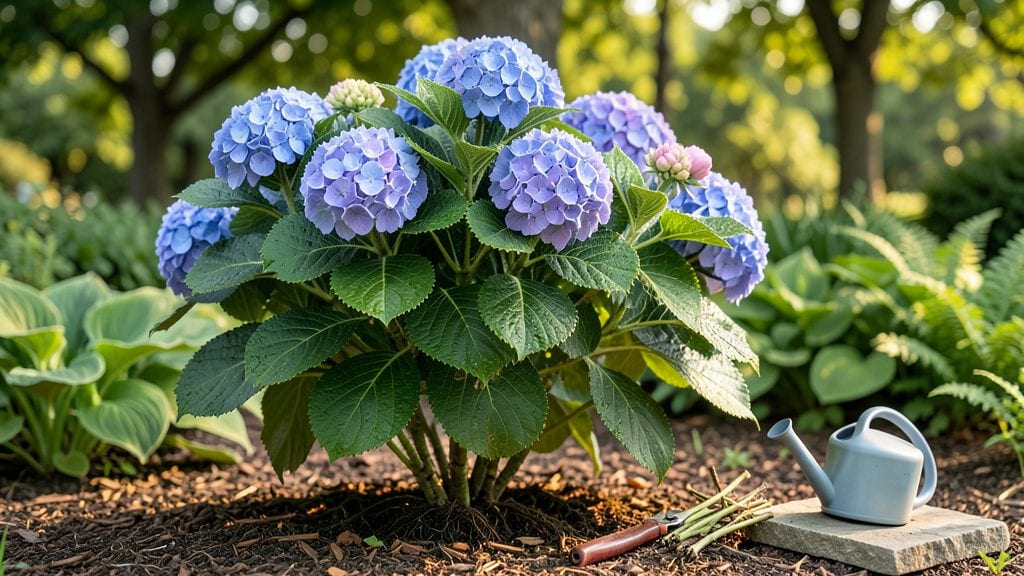
Chinese hydrangea plants deliver vibrant foliage and seasonal blooms year-round, with standout varieties like Hydrangea macrophylla (bigleaf) for classic blooms or Hydrangea paniculata (panicle) for dramatic late-season color. Select shade-tolerant types for rich leaf hues or sun-loving varieties for bold flowers, while maintaining consistent moisture and strategic pruning to preserve their stunning color.
A Chinese hydrangea plant isn't just about flowers—it's a foliage showstopper with varieties that change color through the seasons. 🌿 The bigleaf types (Hydrangea macrophylla) give you those iconic rounded blooms in blues, pinks, or whites, while panicle hydrangeas (Hydrangea paniculata) deliver cone-shaped flowers that turn fiery red in fall.
What's fascinating is how their leaves transform too: deep burgundy in autumn or chartreuse in spring, adding another layer of visual interest. The secret to keeping them vibrant? Soil pH—lower pH shifts flowers blue, while higher pH turns them pink, and consistent moisture prevents leaf scorch.
For gardeners who want year-round color, these plants are the ultimate multitaskers. Their ability to thrive in partial shade makes them perfect for under trees or along north-facing walls, while sun-loving varieties like 'Limelight' bring bold vertical interest to sunny borders.
The key to their longevity? Pruning at the right time—cut back old wood in late winter for bigleaf types, but wait until spring for panicle varieties to encourage those spectacular late-season blooms.
💡 In This Article
- Key Chinese Hydrangea Varieties for Seasonal Color
- Growing Tips for Year-Round Chinese Hydrangea Vibrancy
Key Chinese Hydrangea varieties for seasonal color
When comparing Hydrangea macrophylla (bigleaf) and Hydrangea paniculata (panicle), you're choosing between two distinct seasonal performers. The bigleaf varieties like 'Endless Summer' produce those classic round blooms that can rebloom all season—if you deadhead spent flowers and prune correctly.
Their flowers change color based on soil pH: acidic soil (5.0-5.5) produces blue blooms, while alkaline soil (6.0-6.5) yields pink flowers. The foliage itself is a showstopper, emerging bronze-green in spring, maturing to deep green, and then blazing burgundy in fall.
'Limelight' panicle hydrangeas take a different approach with their cone-shaped flowers that start lime green in summer and transform into fiery reds by fall. What sets them apart is their ability to thrive in full sun, making them ideal for hotter climates where bigleaf varieties might struggle.
The foliage here is equally dramatic, often developing golden or bronze tones as temperatures drop. Unlike bigleaf types, panicle hydrangeas bloom on new wood, so you can prune them more aggressively in late winter without sacrificing next year's flowers.
The color science behind these plants is fascinating. Bigleaf hydrangeas contain anthocyanins that respond to pH levels—lower pH stabilizes blue pigments, while higher pH allows red pigments to dominate.
Panicle varieties use different pigments called carotenoids for their fall colors, which is why they turn those brilliant reds regardless of soil pH. This biological mechanism explains why 'Limelight' can maintain its vibrant hues even in neutral soil conditions where bigleaf varieties might appear more muted.
Climate adaptability is where these varieties truly diverge. Bigleaf hydrangeas prefer cooler climates (USDA zones 5-9) and need protection from harsh winter winds that can desiccate their tender stems. Panicle types are hardier (zones 3-8) and can handle more extreme temperatures, making them better choices for northern gardens.
The trade-off? Panicle varieties typically bloom later in the season, while bigleaf types offer earlier color that can be extended through reblooming cultivars.
For gardeners who want year-round interest, consider pairing these varieties strategically. Plant 'Endless Summer' bigleaf hydrangeas where you'll enjoy their spring blooms and foliage color, while adding 'Limelight' panicle types for late-season drama.
The contrast between their bloom shapes and seasonal color changes creates a dynamic landscape that keeps evolving from spring through winter. The key is understanding each variety's light requirements—bigleaf types tolerate more shade, while panicle varieties crave full sun to develop their best colors.
Don't overlook the foliage's role in seasonal interest. Both types develop stunning autumn colors, but the timing differs. Bigleaf varieties often peak in early fall, while panicle types maintain their fiery hues well into late autumn.
This staggered display extends your garden's seasonal interest by several weeks. The foliage's texture also varies—bigleaf types have softer, more delicate leaves, while panicle varieties develop slightly coarser foliage that adds structural interest to mixed borders.