Container Gardens
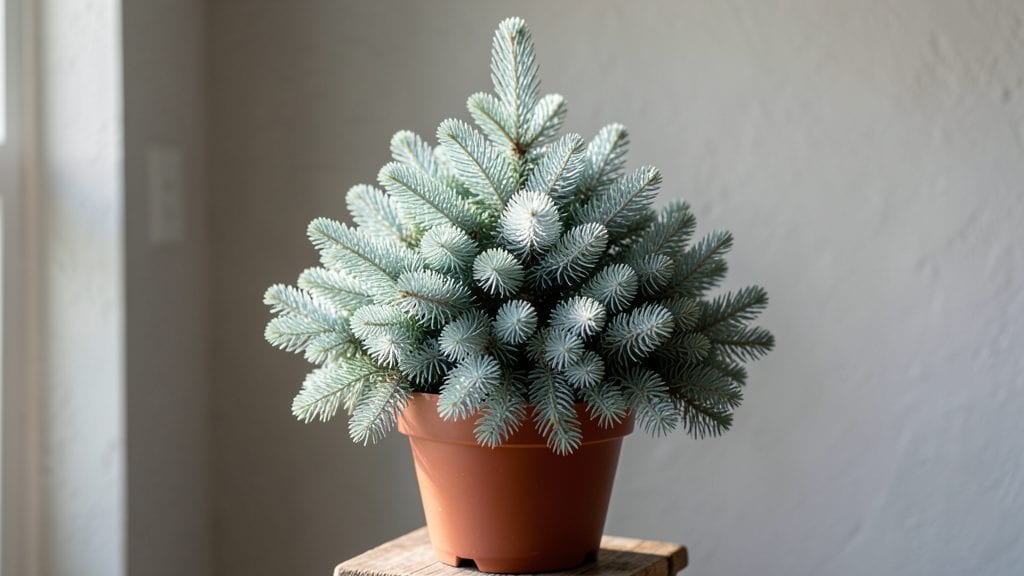
Growing an indoor cypress plant means bringing sharp, silvery-green foliage into your home with almost no fuss. ✨ I’ve kept these plants thriving for years by sticking to three simple rules: bright indirect light, infrequent watering, and occasional pruning to maintain their signature shape.
The key isn’t complicated—it’s about understanding what this plant naturally craves.
The right setup makes all the difference. You’ll need well-draining soil, a pot with drainage holes, and a spot near a window where light filters through a sheer curtain.
Water only when the top inch of soil feels dry, and avoid letting it sit in soggy soil—this plant hates wet feet. With these basics, you’ll see steady growth and that signature upright form that makes cypress plants so striking.
By following these care steps, you’ll end up with a plant that stays lush and compact year-round. The foliage remains vibrant, the branches stay dense, and you’ll never deal with the leggy, sparse look that frustrates so many indoor gardeners.
The secret is consistency—just a few minutes of attention each week keeps it thriving.
Works perfectly for small spaces, offices, or sunrooms where you want texture without high maintenance. Once you’ve mastered the basics, you can even propagate new plants from cuttings. Here’s how to keep yours looking its best every season.
📚 In This Guide
- What you need
- Instructions
- Tips and common mistakes
- Wrapping up and next steps
What you need
- ● Indoor Cypress Plant (Chamaecyparis) – Choose a healthy 3-6 inch pot size (e.g., Chamaecyparis pisifera or Chamaecyparis lawsoniana varieties).
- ● Well-draining potting mix – 1 gallon of peat-free blend (e.g., 60% inorganic matter like perlite/pumice + 40% organic like coconut coir).
- ● Container with drainage holes – 1-2 sizes larger than the nursery pot (e.g., 6-8 inch diameter for a 3-inch plant). Terracotta or ceramic preferred.
- ● Gravel or orchid bark – ½ cup for the drainage layer at the container’s base.
- ● Watering can with a narrow spout – For precise hydration (avoid overhead misting for foliage).
- ○ Humidity tray or pebble tray – Optional but helpful for maintaining 40-50% humidity.
- ● Slow-release fertilizer – 1 pellet or tablet (e.g., Osmocote) for 3-4 months of nutrients.
- ● Spray bottle – For occasional misting (especially in dry climates).
- ● Pruning shears – Sharp, clean pair for shaping or trimming (sterilize with rubbing alcohol).
- ● Grow lights (LED) – If placing in low-light areas (12-14 hours/day, 2-3 feet away).
- ○ Mulch (pine bark or cypress mulch) – ¼ inch layer to retain moisture (optional but cozy!).
Step-by-Step instructions for growing a thriving indoor cypress plant
Here’s how to keep your cypress plant lush and vibrant with just a few simple steps—no green thumb required.
🪴 Step 1: Choose the Right Container and Soil Mix
Cypress plants love well-draining soil and containers with room to grow. Use a 6-8 inch pot with drainage holes to prevent root rot. I like to mix 3 gallons of premium potting mix with 1 gallon of perlite—this keeps the roots aerated and moisture balanced. Fill the pot halfway with this blend, then tap it gently to settle.
Don’t skip the drainage holes. If your pot doesn’t have them, drill a few yourself—cypress plants hate soggy roots. The soil should feel slightly damp but not wet when you squeeze it. If it crumbles easily, add a splash of water and mix again until it holds together lightly.
☀️ Step 2: Position for Bright, Indirect Light
Cypress plants thrive in bright, indirect light—think near an east or north-facing window where sunlight filters through sheer curtains. If your space is dim, supplement with a grow light placed 12-18 inches away for 6-8 hours daily. You’ll know it’s right when the leaves stay a rich, vibrant green without yellowing or browning.
Here’s the thing—cypress plants can handle some direct morning sun, but afternoon rays will scorch the tips. If you notice crispy edges, move it back a few feet. Rotate the pot quarter-turn weekly so the plant grows evenly. Uneven light causes lopsided growth, and no one wants a wonky cypress!
💧 Step 3: Water When the Top 1-2 Inches Feel Dry
Watering is where most people go wrong. Stick your finger 1-2 inches into the soil—if it’s dry, it’s time to water. Pour ½ cup of water at a time until it drains freely from the bottom. Empty the saucer after 10 minutes to avoid soggy roots. Cypress plants prefer consistent moisture but hate sitting in water.
Overwatering is the #1 killer of indoor cypress plants. If the leaves start yellowing or dropping, you’re likely watering too much. Let the soil dry out slightly between waterings, especially in winter when growth slows. A good rule: water less in winter, more in spring/summer when the plant is actively growing.
✂️ Step 4: Prune and Shape for Fullness
Cypress plants grow best with occasional pruning to encourage bushiness. Use clean, sharp scissors to trim back leggy stems by ½ inch above a leaf node. This encourages new growth and keeps the shape compact. I prune mine in early spring when new shoots start appearing.
Don’t cut too much at once—just enough to shape it. If you see brown or crispy tips, snip those off too. After pruning, wipe the leaves with a damp cloth to remove dust. A little TLC keeps your cypress looking fresh and full. You’ll notice new growth within 4-6 weeks if the light and water are just right.
🌿 Step 5: Fertilize Lightly During Growing Season
Feed your cypress plant once a month in spring and summer with a balanced liquid fertilizer (like 10-10-10). Mix 1 teaspoon per gallon of water and apply it after watering. This gives the plant a gentle nutrient boost without overwhelming the roots. In fall and winter, skip the fertilizer—your cypress is resting and doesn’t need extra food.
If you forget to fertilize, don’t panic. Cypress plants are forgiving. Just watch for slow growth or pale leaves—those are signs it’s time to feed. I always fertilize mine in May and June, right as the new growth starts. Over-fertilizing burns roots, so less is more with these guys.
Tips & tricks for perfect indoor cypress plant care
Here’s what I’ve learned after keeping cypress plants for years—simple tricks that make all the difference between a struggling plant and one that thrives.
Soil Mix Secret: The ratio of 3 gallons potting mix to 1 gallon perlite in Step 1 is key, but don’t stop there. I add a handful of orchid bark (optional) to improve aeration—it mimics the plant’s natural habitat. When filling your pot halfway, press gently but firmly to eliminate air pockets. This ensures roots get proper contact with moisture and nutrients.
Light Troubleshooting: If your cypress starts developing yellow leaves after following Step 2, it might be getting too much direct sun. Move it back 2 feet from the window or use a sheer curtain to diffuse light. For grow lights, position them 12 inches away—closer than 18 inches can scorch delicate foliage. The 6-8 hour daily guideline works well, but adjust based on leaf color: darker green means more light, pale green means less.
Watering Hack: The 1-2 inch dry test in Step 3 works perfectly, but here’s a pro move: use a moisture meter for accuracy, especially in winter. I’ve found cypress plants often need watering every 10-14 days in cooler months when growth slows. When emptying the saucer after 10 minutes, tilt the pot to pour out excess water completely—lingering moisture causes root rot faster than you’d think.
Pruning Timing: Early spring pruning in Step 4 is ideal, but don’t wait until you see major legginess. Trim back ½ inch above leaf nodes every 6-8 weeks to maintain shape. After pruning, give the leaves a gentle wipe with a damp microfiber cloth—this removes dust that blocks light absorption. You’ll notice new growth within 4-6 weeks, but be patient if your plant is young or stressed.
Pro Tips for Indoor Cypress Plant
- Here’s what I’ve learned after keeping cypress plants for years—simple tricks that make all the difference between a ...
- Soil Mix Secret: The ratio of 3 gallons potting mix to 1 gallon perlite in Step 1 is key, but don’t stop there. I add...
- Light Troubleshooting: If your cypress starts developing yellow leaves after following Step 2, it might be getting to...
Frequently asked questions
Got questions about keeping your indoor cypress plant thriving? You’re not alone! Here are answers to the most common queries—from care basics to troubleshooting—so you can enjoy lush, year-round greenery without the guesswork.
How often should I water my indoor cypress plant?
Water your cypress plant when the top 1–2 inches of soil feel dry to the touch. Aim for every 7–10 days, but adjust based on humidity and light. Overwatering is the #1 killer—always use a pot with drainage holes to prevent soggy roots. Pro tip: Stick your finger in the soil; if it’s damp, wait a few more days!
Why are the tips of my cypress plant turning brown?
Brown tips usually mean low humidity or fluoride buildup from tap water. Boost humidity with a pebble tray or humidifier, and switch to filtered or distilled water. Avoid misting directly on the foliage, as it can cause fungal issues. Quick fix: Trim the brown tips with clean scissors and repot if the roots smell foul.
Can I grow an indoor cypress plant in low-light conditions?
Cypress plants thrive in bright, indirect light but can tolerate medium light. In low light, growth slows, and leaves may stretch (a sign of etiolation). Place it near an east- or north-facing window, or supplement with a grow light 12–14 hours daily. Rotate the pot monthly for even growth.
What are some low-maintenance alternatives to indoor cypress?
If cypress feels finicky, try these hardy houseplants with similar texture:
- Parlor Palm – Tolerates low light and neglect.
- Snake Plant – Nearly indestructible; thrives on forgetfulness.
- ZZ Plant – Drought-resistant and pet-friendly.
- Cast Iron Plant – Handles shade and irregular watering.
How fast does an indoor cypress plant grow?
Under ideal conditions (bright light, moderate humidity), your cypress plant grows 6–12 inches per year. Growth slows in winter or low light. Prune leggy stems in spring to encourage bushier growth. Fun fact: With proper care, it can live for 5–10 years indoors!
What pests should I watch for on my cypress plant?
Keep an eye out for spider mites, mealybugs, or scale insects, which thrive in dry conditions. Wipe leaves with a damp cloth weekly to deter pests. If you spot infestations, treat with neem oil or insecticidal soap. Isolate the plant until pests are gone to prevent spreading. Prevention tip: Quarantine new plants for 2 weeks!
Wrapping up and next steps
Bringing an indoor cypress plant into your home isn’t just about adding greenery—it’s about creating a thriving, low-maintenance oasis that brightens your space year-round. 🌿 With the right soil, light, and a little TLC, you’ll enjoy its elegant texture and air-purifying benefits without the fuss.
Ready to dive in? Grab your supplies, follow the steps, and watch your cypress plant flourish—your future green corner awaits!
Next step: Start with a healthy plant, and soon, you’ll be sharing your lush success with fellow plant lovers! 🌱