
Planting
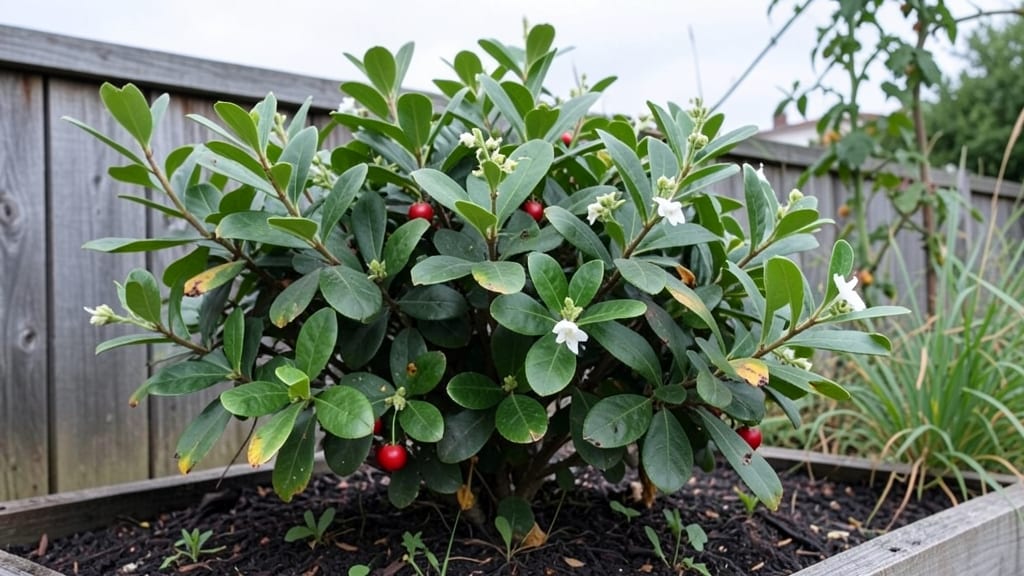
The Clusia hedge plant delivers dense, evergreen foliage that stays vibrant year-round with almost no pruning—my front yard’s secret weapon against boring green walls. 🌿 I planted mine three years ago after struggling with traditional hedges that yellowed in winter or required constant trimming.
This tropical beauty thrives in heat and humidity, making it perfect for coastal climates or shaded urban courtyards.
Clusia needs well-draining soil rich in organic matter—think half potting mix, half compost—and tolerates partial shade, though it grows best in morning sun. Water deeply once a week during dry spells, but let the top inch of soil dry between waterings to prevent root rot.
The real magic? Its natural growth habit forms a tight, bushy shape without aggressive pruning, saving hours of hedge maintenance.
By summer’s end, your Clusia will be a glossy, dark-green wall that repels pests and filters air better than most hedges. The leaves stay lush even in drought, and its small white flowers in spring add subtle fragrance.
For best results, shape lightly in early spring—just enough to encourage fuller growth where you want it.
Works equally well as a standalone hedge, privacy screen, or container plant for patios. Here’s how to get started without the usual hedge headaches—no shears required after the first year.
📚 In This Guide
- What you need
- Instructions
- Tips and common mistakes
- Wrapping up and next steps
What you need
- ● Clusia plants: 10–20 young plants (depending on hedge length; space 3–4 ft apart for mature size).
- ○ Well-draining potting mix: 50% garden soil, 30% compost, 20% perlite/sand (for aeration). Optional: Slow-release fertilizer (5–10 lbs per 100 sq ft).
- ● Pruning tools: 1 pair bypass pruners (for clean cuts).
- ● 1 hedge shears (8–12" blade for shaping).
- ● 1 loppers (for thicker branches, if needed).
- ● Mulch: 2–3 inches of organic mulch (pine bark or shredded leaves) to retain moisture.
- ● Stakes & twine: 4–6 wooden stakes + twine (for young plants until established).
- ● Watering can or hose: With a gentle spray nozzle (Clusia hates soggy roots!).
- ● Location: Full sun to partial shade (6+ hours sunlight daily for best growth).
- ○ Soil pH: Slightly acidic to neutral (6.0–7.0). Test soil optional but helpful!
- ● Climate: Hardy in USDA Zones 10–12 (or container-grown in cooler zones).
- ● Time commitment: 15–30 mins weekly for watering + minimal pruning (2–3 times/year).
Step-by-step instructions for planting a clusia hedge
Here's how to create a vibrant, low-maintenance clusia hedge that thrives year-round with just a little patience.
🌱 Step 1: Select the Perfect Planting Location
Clusia plants adore bright, indirect light—think dappled shade under tall trees or a spot where morning sun fades by midday. Avoid harsh afternoon rays, which can scorch the glossy leaves. I always test a spot by placing a plant there for a week first; if the leaves stay vibrant and don’t show brown edges, it’s ideal.
Clusia thrives in well-draining soil, so amend heavy clay with 1 part perlite to 3 parts native soil. The plants hate soggy roots, so if your yard drains poorly, raise beds slightly or plant in containers. Dig holes twice as wide as the root ball but only as deep—burying too deeply suffocates the roots.
🪴 Step 2: Plant with Care for Long-Term Stability
Gently remove the plant from its container and loosen any circling roots with your fingers—this encourages outward growth instead of girdling. Place it in the hole so the top of the root ball sits just below soil level. Clusia grows slowly but steadily, so spacing matters: plant 3-4 feet apart for a dense hedge in 3-4 years.
Backfill with native soil mixed with a handful of compost (if not already amended). Water deeply to settle the soil and eliminate air pockets. I tap the base of the plant gently to help soil compact naturally—this prevents future sinking. Mulch with 2-3 inches of shredded bark to retain moisture and deter weeds, but keep mulch 6 inches away from the trunk to prevent rot.
☀️ Step 3: Water Wisely for Year-Round Health
Clusia is drought-tolerant once established, but new plants need consistent moisture. Water deeply every 5-7 days until the top 2 inches of soil feel dry. Stick your finger in the soil—if it’s damp at 2 inches, wait another day. Overwatering is the fastest way to kill these beauties, so I always check before watering.
After the first year, reduce watering to every 2-3 weeks unless your region experiences extreme heat. Clusia’s thick, leathery leaves store water, so they’re far more forgiving than most hedges. You’ll know you’re doing it right when new growth appears in spring without wilting or yellowing.
✂️ Step 4: Prune Strategically for Shape and Growth
Clusia hedges need minimal pruning—just a light trim once a year in early spring before new growth starts. Use clean, sharp shears to shape the hedge, cutting just above a leaf node (where new growth emerges). Never remove more than ⅓ of the plant at a time, or you’ll stress it.
Here’s the trick: prune after the plant has grown 4-6 inches in a season. This encourages bushier growth instead of leggy stems. I always step back and admire the shape before cutting—if it looks lopsided, I trim more from the thicker side to balance it out. Clusia responds well to pruning, so don’t fear shaping it into a formal hedge or letting it grow wild for a natural look.
🌿 Step 5: Fertilize Sparingly for Vibrant Growth
Clusia doesn’t need much fertilizer—just a light feeding in early spring with a balanced, slow-release formula (like 10-10-10). Mix 1 tablespoon per plant into the top 2 inches of soil and water deeply to activate it. Too much fertilizer burns the roots and causes leaf drop, so less is always better.
I skip fertilizer in summer and fall unless the plant looks pale or growth slows. A healthy clusia hedge should have glossy, dark green leaves year-round. If you notice yellowing, it’s usually a sign of overwatering or poor drainage—not a nutrient deficiency. Adjust your care routine, and the plant will bounce back quickly.
Tips & tricks for perfect clusia hedge planting
Here's what I've learned after nurturing clusia hedges that stay lush and vibrant for years—these little details make all the difference!
Location Testing: Before committing to a spot, place your clusia plant there for a week with just water. Watch for any leaf browning or wilting—this is your plant's way of saying "no thanks!" I've saved many clusias from sunburn by doing this simple test first. The perfect spot should keep those glossy leaves looking fresh and happy.
Root Care: When planting, focus on the roots! Loosen any circling roots with your fingers—this encourages outward growth instead of suffocating the plant. I also make sure the top of the root ball sits just below soil level; burying it too deep can smother the plant. Think of it like tucking in a toddler—just snug enough, not too tight!
Watering Wisdom: The 5-7 day watering schedule might seem long, but clusia's thick leaves store moisture like little water tanks. Always check the top 2 inches of soil—if it's damp, wait another day. I've learned the hard way that overwatering kills more clusias than underwatering. A finger test is your best friend here!
Pruning Pro Tip: Wait until your clusia grows 4-6 inches before pruning—this encourages bushier growth. I always step back to admire the shape first; if it looks lopsided, I trim more from the thicker side. And remember: never cut more than ⅓ of the plant at once! Think of it like haircuts—you wouldn't shave your head bald in one go, would you?
Pro Tips for Clusia Hedge Plant
- Here's what I've learned after nurturing clusia hedges that stay lush and vibrant for years—these little details make all the difference!
- Location Testing: Before committing to a spot, place your clusia plant there for a week with just water.
- Root Care: When planting, focus on the roots!
Frequently asked questions
How fast does a Clusia hedge grow?
A Clusia hedge grows at a moderate pace—about 12 to 18 inches per year under ideal conditions. With proper care (sunlight, water, and occasional pruning), you’ll see noticeable growth within 1 to 2 years. For faster results, fertilize lightly in spring and summer!
When is the best time to prune a Clusia hedge?
The ideal time to prune is late winter or early spring, just before new growth begins. Avoid heavy pruning in fall or winter, as it can stress the plant. For shaping, a light trim after flowering (summer) keeps it tidy without sacrificing blooms!
How much water does a Clusia hedge need?
Clusia plants are drought-tolerant once established (after 1–2 years), but young hedges need regular watering—about 1 inch per week. Water deeply but infrequently to encourage strong root growth. Overwatering can lead to root rot, so ensure well-draining soil!
Can I grow a Clusia hedge in full shade?
While Clusia thrives in partial shade to full sun, it can struggle in deep, dense shade. For shaded areas, choose a sun-tolerant alternative like Boxwood or Holly. If you must plant in shade, pick a spot with at least 4–6 hours of dappled light daily.
What pests should I watch for in a Clusia hedge?
Clusia is generally pest-resistant, but keep an eye out for scale insects or mealybugs, which can appear if the plant is stressed. Treat with neem oil or insecticidal soap if spotted. Regular pruning improves airflow, reducing pest risks naturally!
Wrapping up and next steps
Ready to transform your outdoor space into a year-round green oasis with the Clusia hedge plant? This low-maintenance beauty thrives with minimal pruning and packs a punch with its glossy foliage and vibrant blooms.
Whether you're a seasoned gardener or just starting out, its resilience and adaptability make it the perfect addition to your landscape.
Now that you’re armed with all the tips and tricks, take the first step—pick your spot, gather your tools, and get planting! 🌱 With a little care, you’ll enjoy a lush, thriving hedge that brings color and life to your garden for seasons to come.