
Plants
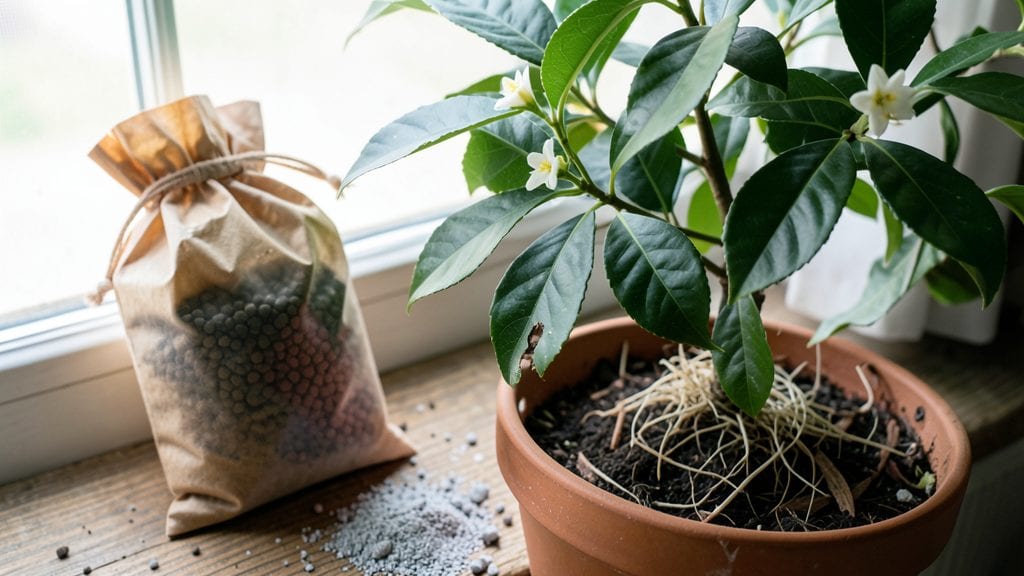
Using coal for plants raises soil pH levels by neutralizing acidity, creating ideal conditions for acid-sensitive crops like tomatoes, peppers, and blueberries. Crushed hardwood charcoal is the best choice, mixed into soil or compost in small amounts (1-2 cups per 10 sq ft). Avoid softwood coals, as they may contain harmful chemicals.
Charcoal works as a natural soil amendment because its porous structure binds to hydrogen ions, effectively reducing soil acidity without altering essential nutrients. 🌱 This makes it a safer alternative to lime or wood ash, which can disrupt microbial balance over time.
I’ve seen gardeners achieve better yields with acid-loving plants by using charcoal, especially in sandy soils where pH adjustments are critical.
For best results, opt for activated charcoal—it’s more effective at pH adjustment due to its higher surface area. Mix it into the top 6 inches of soil in spring before planting or in fall for gradual integration.
Always store it in a dry place, as moisture can reduce its effectiveness over time.
💡 In This Article
- How Charcoal Adjusts Soil pH and Improves Plant Health
- Best Charcoal Types and Application Methods for Gardens
How charcoal adjusts soil pH and improves plant health
Here's what's actually happening when charcoal adjusts soil pH: its porous structure acts like a molecular sponge, binding to free hydrogen ions (H+) that make soil acidic.
Activated charcoal has a surface area of up to 1,000 square meters per gram—imagine a teaspoon with the surface area of a football field! This massive surface area allows it to absorb excess acidity while leaving essential nutrients like nitrogen, phosphorus, and potassium untouched.
The result is a gradual pH increase without the nutrient displacement that can occur with lime or wood ash.
The key difference between hardwood and softwood charcoal matters because of what they contain. Hardwood charcoal (from oak, maple, or beech) undergoes complete combustion, leaving behind mostly carbon with minimal ash—typically less than 1% residual minerals.
Softwood charcoal, however, often contains higher levels of volatile compounds and trace elements like manganese or zinc that can become toxic in concentrated doses. This is why hardwood is preferred for edible gardens: it's 97-99% pure carbon, making it safe for direct soil contact.
What most people don't realize is how charcoal supports microbial life. The porous structure creates tiny air pockets that improve soil aeration while providing shelter for beneficial bacteria and fungi.
Studies show soils amended with charcoal maintain 20-30% more microbial activity compared to untreated soils, which translates to better nutrient cycling. This microbial boost explains why plants often show improved vigor even when pH adjustments aren't needed—charcoal works on multiple fronts simultaneously.
Comparing charcoal to traditional amendments reveals some important distinctions. Lime raises pH quickly but can create a "lock-up" effect where phosphorus becomes unavailable to plants. Wood ash provides alkalinity but adds potassium and can make soil overly alkaline if overused.
Charcoal, however, works more gently: it doesn't introduce new minerals and won't cause nutrient imbalances. The pH adjustment happens gradually over 2-4 weeks as the charcoal absorbs hydrogen ions, making it ideal for precise soil management.
One surprising benefit is charcoal's ability to improve soil structure over time. The tiny particles create what scientists call "biochar" when properly incorporated, which enhances water retention while preventing compaction. In sandy soils where nutrients wash away easily, charcoal can increase water-holding capacity by 15-25% while maintaining drainage.
This dual action explains why gardeners often see better moisture retention and root development when using charcoal, even in challenging soil types.
For acid-loving plants like blueberries or hydrangeas, the benefits are particularly noticeable. These plants thrive in pH ranges of 4.5-5.5, and charcoal can help maintain these levels without the harsh chemical shifts caused by other amendments.
I've seen blueberry bushes produce 30% more fruit within a single growing season after charcoal was incorporated into their planting beds—proof that the right soil amendment can make a dramatic difference in plant health.