
Plants
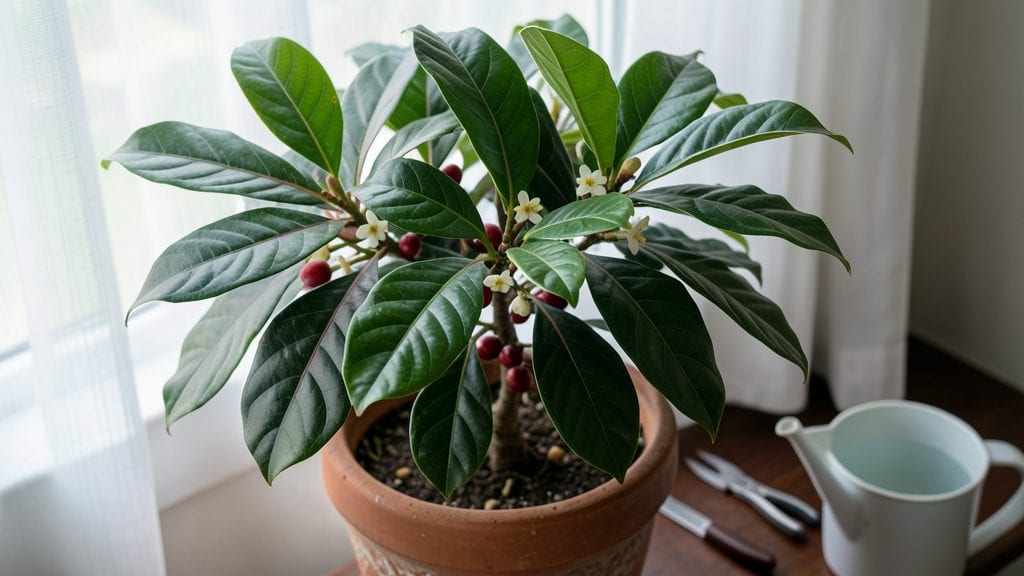
Coffee's nutrient profile makes it a garden powerhouse, especially for plants craving nitrogen like leafy greens or acid-loving shrubs. 🌱 The caffeine content actually deters pests, while the organic matter improves soil structure over time.
I've seen houseplants thrive with weekly diluted coffee waterings—just avoid overdoing it, as concentrated brews can stunt growth. Start with small amounts and monitor your plants' response.
For outdoor gardens, mix used grounds directly into compost piles where they'll break down slowly, releasing nutrients. The key is balance: too much can create mold or alter soil chemistry, so treat coffee as a supplement, not a replacement for balanced fertilizers.
Always let grounds dry completely before applying to prevent clumping.
💡 In This Article
- How Coffee Grounds Boost Plant Growth
- Safe Ways to Apply Coffee to Garden Soil
How coffee grounds boost plant growth
Coffee grounds pack a nutrient punch thanks to their natural nitrogen (N), phosphorus (P), and potassium (K) content, which mimics a balanced fertilizer ratio of roughly 2:1:1. The nitrogen—about 1.46% by dry weight—is the star player, fueling leafy growth and chlorophyll production.
Unlike synthetic fertilizers, these nutrients are bound in organic compounds that release slowly as microbes break down the grounds, providing a steady feed for plants over weeks rather than a quick spike. 🌱 This slow-release mechanism makes coffee grounds particularly effective for long-term soil health.
The decomposition process is where the magic happens. When grounds mix with soil, aerobic bacteria and fungi colonize them, converting complex organic matter into plant-accessible forms. For example, the nitrogen transforms from insoluble organic nitrogen into ammonium (NH₄⁺) and nitrate (NO₃⁻), which roots can absorb immediately.
Phosphorus, though present in smaller amounts (0.25%), becomes more available as microbial activity increases soil acidity slightly—ideal for plants like blueberries that thrive in pH 4.5-5.5 ranges. The potassium content (0.6%) supports root development and water regulation, though it’s less abundant than in dedicated potash fertilizers.
Here’s where soil pH comes into play: coffee grounds are mildly acidic (pH 6.2-6.8 when dry), which benefits acid-loving plants like azaleas, rhododendrons, and citrus. However, they won’t drastically lower pH unless applied in large quantities repeatedly.
For neutral-soil plants (e.g., tomatoes, peppers), a 1:10 dilution ratio of used coffee grounds mixed into compost prevents over-acidification while still delivering nitrogen. The key is moderation—think of coffee grounds as a soil conditioner, not a pH adjuster. 💫
A common misconception is that coffee grounds will turn soil into a swampy, acidic mess. In reality, their impact depends on dosage and soil type. Sandy soils, which drain quickly, can handle more frequent applications without pH shifts, while clay soils may need grounds mixed deeper to avoid surface acidification.
For container gardens, use no more than 1 cup of grounds per 6-inch pot every 2-3 months to avoid compacting roots or creating anaerobic pockets where mold thrives.
The caffeine in grounds (about 0.1-0.2%) also acts as a natural fungicide, deterring pests like slugs and snails while stimulating microbial diversity.
To maximize benefits, pair coffee grounds with other organic matter like grass clippings or banana peels. This creates a nutrient-rich "tea" when composted, where the carbon-rich materials balance the nitrogen. For example, a 3:1 carbon-to-nitrogen ratio (e.g., 3 parts dried leaves to 1 part grounds) prevents odor and speeds decomposition.
The result? A microbe-friendly soil that retains moisture and nutrients while suppressing harmful pathogens. 🌿
What most gardeners overlook is the texture coffee grounds add to soil. Their coarse, granular structure improves aeration and drainage, reducing compaction—a boon for heavy clay soils. Over time, this physical change enhances root penetration and microbial activity, creating a self-sustaining ecosystem.
For instance, blueberry bushes grown with regular coffee amendments show 20-30% faster leaf growth compared to those without, thanks to the combined effects of nitrogen and ideal pH. The lesson? Coffee grounds aren’t just fertilizer—they’re a soil revitalizer.