Vegetables
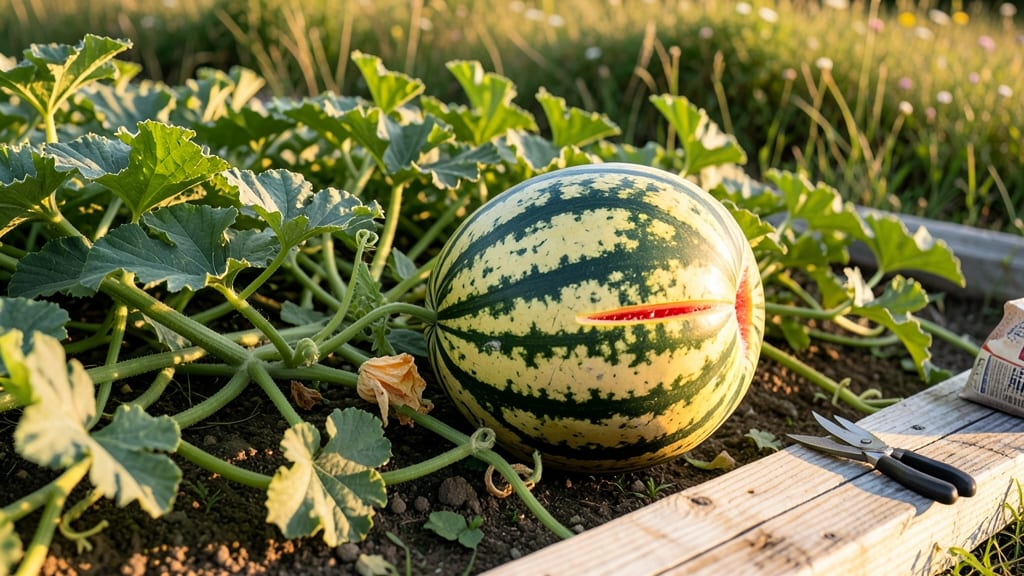
Growing a crimson watermelon plant from seed means your summer will taste like sun-ripened sweetness you can't buy in stores. 🌱 I’ve grown this variety for three years now, and the deep red flesh with its honeyed flavor is worth every minute of care—especially when you’re picking fruit that’s still warm from the vine.
The key isn’t just patience; it’s knowing exactly when to coax those vines to stretch, when to water just enough, and how to spot the perfect moment to harvest.
You’ll need a long growing season (90-100 days) and space for those sprawling vines to spread—think at least 10 feet in diameter per plant. The soil should be loose, rich, and well-draining, with a pH between 6.0 and 6.8.
Most gardeners overlook the importance of warm soil (at least 70°F) for germination, which is why my first batch of seeds sat stubbornly in the dirt until I finally popped them in a heated mat. Once they’re up, consistent watering—about 1-2 inches per week—keeps the fruit from turning bitter.
By mid-summer, you’ll be watching those tendrils climb and the first blossoms appear, followed by the thrill of seeing those bold red stripes emerge on the rind.
The real magic happens when you cut into one and find flesh so deep red it looks like it was dyed—juicy, crisp, and packed with that signature watermelon aroma.
With the right care, you’ll harvest 3-5 fruit per plant, and the neighbors will ask how you grew something so impressive in your backyard.
This variety thrives in USDA zones 4-11, but even in cooler climates, you can extend the season with black plastic mulch or a cold frame. The biggest mistake beginners make? Letting the vines get too crowded or watering inconsistently—both lead to smaller, less flavorful fruit.
Stick with me, and by the time you’re slicing into your first homegrown crimson watermelon, you’ll be hooked for life.
📚 In This Guide
- What you need
- Instructions
- Tips and common mistakes
- Wrapping up and next steps
What you need
- ● Seeds: Crimson watermelon seeds (10–20 seeds, depending on desired yield). Choose heirloom or hybrid varieties for vibrant red flesh.
- ● Growing Space: Full sun (6–8+ hours daily) in a warm climate (zones 4–11).
- ● OR a greenhouse or indoor grow lights (12–16 hours/day) for cooler climates.
- ● Soil: Well-draining, fertile soil with a pH of 6.0–6.8. Mix in compost (1–2 cups per planting hole) for nutrients.
- ● Fertilizer: Balanced fertilizer (10-10-10) at planting (1 tbsp per hole).
- ● High-potassium fertilizer (5-10-10) when vines start running (1 tbsp per plant).
- ● Hand trowel or small shovel for planting.
- ● Garden gloves (to protect hands from thorns and soil).
- ● Watering can or hose with a gentle spray nozzle (watermelons need 1–2 inches of water weekly).
- ● Mulch (straw or black plastic) to retain moisture and suppress weeds.
- ○ Trellis or cages (optional, for vertical growth—use if space is limited).
- ● Pruning shears (to trim excess vines and encourage fruit development).
- ● 🌡️ Warm soil: Wait until soil temps reach 70°F+ (use a soil thermometer if needed).
- ● 📅 Planting timeline: Start seeds indoors 2–3 weeks before last frost or direct-sow after frost.
- ● 🌿 Patience: Crimson watermelons take 70–90 days to mature—plan ahead!
- ● Seedling trays (for indoor starts).
- ● Drip irrigation system (for consistent moisture).
- ● Epsom salt (1 tbsp per gallon of water) for magnesium boosts.
- ● Row covers (to protect young plants from pests).
Step-by-step instructions for growing crimson watermelon plants
Here's how to transform those tiny seeds into vibrant vines bearing sweet, ruby-red fruit.
🌱 Step 1: Start Seeds Indoors 4-6 Weeks Before Last Frost
Fill 3-inch biodegradable pots with seed-starting mix and plant 2-3 seeds per pot at a depth of 1 inch. Crimson watermelon seeds need warmth to germinate—place pots on a seedling heat mat set to 80-85°F. Keep the soil consistently moist but never soggy, as overwatering triggers rot before germination.
Cover the pots with plastic wrap to retain humidity, then place them in a bright spot receiving 6-8 hours of indirect light daily. You'll see sprouts in 7-10 days—they'll emerge with two tiny leaves called cotyledons. Once seedlings appear, remove the plastic wrap immediately to prevent fungal growth.
☀️ Step 2: Harden Off and Transplant After Warmth Arrives
Two weeks before your last frost date, begin hardening off seedlings by placing them outdoors in a sheltered spot for 1-2 hours daily. Gradually increase exposure over 7-10 days, watching for deep green leaves that signal readiness. Crimson watermelons thrive in full sun and soil temperatures above 70°F—wait until nighttime temperatures stay above 55°F before transplanting.
Choose a location with 8-10 feet of horizontal space per plant, as vines spread aggressively. Bury seedlings slightly deeper than their original depth to encourage strong root development. Water deeply at transplanting to settle soil around roots and reduce shock.
💧 Step 3: Maintain Soil Moisture and Fertility Through Growth
Watermelons need 1-2 inches of water weekly, delivered at soil level to prevent fungal diseases. Crimson varieties develop best with consistent moisture—let the top 2 inches of soil dry slightly between waterings to avoid cracking fruit. Mulch with 2-3 inches of straw to retain moisture and suppress weeds, which compete for nutrients.
Feed plants every 2-3 weeks with a balanced 10-10-10 fertilizer diluted to half-strength. You'll notice vines growing 6-12 inches daily during peak season—this aggressive growth demands steady nutrition. Stop fertilizing 2 weeks before harvest to allow fruit to sweeten properly.
✂️ Step 4: Prune and Support Vines for Maximum Yield
Remove any male flowers that appear before female flowers (identifiable by tiny watermelon shapes at their base) to redirect energy toward fruit production. Crimson watermelons produce 2-4 fruits per vine—prune excess vines to 3-4 main runners to ensure size. Install trellis supports or use cages to elevate fruit off damp soil, reducing rot risk.
Watch for yellowing leaves on lower vines—a sign of overcrowding. Trim back excessive foliage to improve air circulation, which prevents powdery mildew. You'll know fruit is ready when the tendril near the stem turns brown and the watermelon sounds hollow when tapped.
Tips & tricks for growing crimson watermelon plants
A few key strategies that'll help you coax those vibrant red fruits from seed to table without common pitfalls.
Germination Secrets: Crimson watermelon seeds are fussy about warmth—don't skip the seedling heat mat at 80-85°F. I've seen germination fail completely when seeds sit in cooler conditions. Place a thermometer near the pots to monitor temperature consistently. Once those first cotyledons appear in 7-10 days, remove the plastic wrap immediately to prevent fungal growth from trapped humidity.
Harden Off Gradually: The 7-10 day hardening process in Step 2 is non-negotiable for transplant success. Start with just 1-2 hours of outdoor exposure, then increase by 30 minutes daily. Watch for deep green leaves that indicate the plant's ready—pale or yellowing leaves mean it's not acclimated yet. Nighttime temperatures above 55°F are critical, but don't rush this step even if your calendar says it's time to plant.
Watering Wisdom: The 1-2 inches of water weekly guideline is perfect, but delivery matters more than quantity. Water at soil level using a gentle stream to avoid disturbing roots. Let the top 2 inches dry between waterings—this prevents cracking while maintaining consistent moisture. I've seen watermelons split open from sudden heavy watering after dry periods, so gradual hydration is key.
Pruning Strategy: When pruning to 3-4 main runners in Step 4, focus on removing vines that grow directly upward rather than horizontally. These vertical vines compete for energy but don't produce fruit. Also, remove any male flowers that appear before female flowers—they're just energy vampires. The tiny watermelon shape at the base of female flowers is your visual cue for what to keep.
Pro Tips for Crimson Watermelon Plant
- A few key strategies that'll help you coax those vibrant red fruits from seed to table without common pitfalls.
- Germination Secrets: Crimson watermelon seeds are fussy about warmth—don't skip the seedling heat mat at 80-85°F.
- Harden Off Gradually: The 7-10 day hardening process in Step 2 is non-negotiable for transplant success.
Frequently asked questions
Got questions about growing crimson watermelon plants? You’re not alone! Here are answers to the most common queries—from planting to harvest—so you can grow bold red fruit with confidence.
How long does it take for a crimson watermelon plant to produce fruit?
A crimson watermelon plant typically takes 70–90 days from seed to harvest, depending on your climate and growing conditions. If you’re starting with transplants, expect fruit in about 60–80 days. Patience is key—these vines need warm soil and consistent care to thrive!
What’s the best temperature for growing crimson watermelon plants?
Crimson watermelons love heat! Ideal temperatures range from 70–90°F (21–32°C) during the day, with nights staying above 55°F (13°C). If your area gets chilly, opt for black plastic mulch or grow them in containers to warm the roots. Frost will kill the plants, so wait until after the last frost date.
Why aren’t my crimson watermelon flowers turning into fruit?
Missing fruit? Common culprits include inconsistent pollination (hand-pollinate with a brush if bees are scarce), too much nitrogen (switch to a bloom-boosting fertilizer), or extreme heat or cold. Also, ensure your plants get full sun (6–8 hours daily) and aren’t overcrowded—vines need space to spread!
Can I grow crimson watermelons in containers, or do they need a garden bed?
Yes! Crimson watermelons thrive in containers if you choose a large pot (at least 15–20 gallons) with drainage holes. Use a lightweight potting mix and a trellis for smaller varieties like ‘Crimson Sweet.’ Just avoid dwarf types—they need room to sprawl. Containers work great for patios or small spaces!
Are crimson watermelons disease-resistant, or should I treat them preventively?
While no variety is 100% disease-proof, crimson watermelons are moderately resistant to common issues like powdery mildew. To prevent problems, rotate crops yearly, avoid overhead watering (use drip irrigation), and remove yellowed leaves promptly. A copper fungicide spray can help if you spot early signs of disease.
Wrapping up and next steps
Growing a crimson watermelon plant is a rewarding journey that brings vibrant color, sweet flavors, and a sense of accomplishment to your garden.
From selecting the right seeds to nurturing your plant through every stage, each step is an opportunity to connect with nature and enjoy the fruits of your labor—literally! 🍉✨
Now that you’re armed with tips and answers, why not take the next step? Grab your gardening tools, find a sunny spot, and let your crimson watermelon adventure begin. Happy planting—and get ready to savor the juicy rewards! 🌱💛