Picking
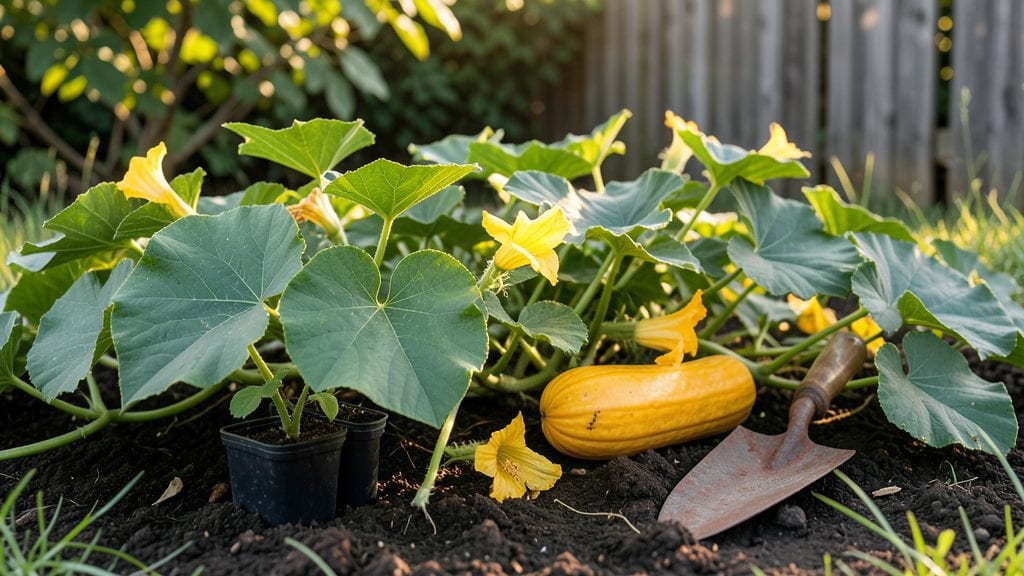
Planting crookneck squash in warm soil gives you a head start on those heavy-fruiting vines that reward patience with golden, curved gourds.
I learned the hard way that cold soil means waiting weeks for germination—so I now time my planting for when the ground hits 60°F, usually a week after the last frost in my zone.
The difference is night-and-day: seedlings pop up in 5-7 days instead of dragging for three weeks.
You’ll need rich, well-draining soil mixed with compost (think 2-3 inches of aged manure or compost worked in), and a sunny spot with at least 6 hours of direct light daily.
Crooknecks sprawl, so give each plant 3-4 feet of space or train them up a trellis to save room. The key? Warmth and patience—these vines thrive when soil stays consistently above 55°F, so black plastic mulch or row covers help speed things along in cooler climates.
By midseason, you’ll be harvesting 1-2 pound squash with tender, sweet flesh—just don’t let them turn woody by waiting too long.
The first fruits appear in 50-60 days, and if you keep the soil moist (not soggy) and feed with balanced fertilizer every 3-4 weeks, your vines will produce 10-15 squash per plant.
The real magic happens when you pair them with bush beans or radishes to deter pests naturally.
Fair warning: overcrowding leads to powdery mildew and poor yields, so resist the urge to squeeze plants together. And if your soil drains poorly, amend it with sand or perlite—crooknecks hate "wet feet."
Once established, these vines are surprisingly low-maintenance, but that first warm-soil start makes all the difference between a decent harvest and a neighborhood-envy garden.
📚 In This Guide
- What you need
- Instructions
- Tips and common mistakes
- Wrapping up and next steps
What you need
- ● Crookneck squash seeds: 3–5 seeds per plant (or 1–2 seeds per hill if direct-sowing). Choose heirloom or hybrid varieties like Early Prolific Straightneck or Gold Rush.
- ● Well-draining soil: Rich in organic matter (compost or aged manure). Aim for a pH of 6.0–7.0.
- ● Fertilizer: Balanced 10-10-10 or 5-10-10 fertilizer (1–2 tbsp per planting hole).
- ○ Optional: Compost tea or worm castings for extra nutrients.
- ● Watering can or hose with a gentle spray nozzle (avoid soaking seeds).
- ○ Garden twine or stakes (optional but helpful for trellising vines in small spaces).
- ● Black plastic mulch (to warm soil faster and suppress weeds).
- ● Row covers (for early planting protection from pests).
- ● Drip irrigation system (for consistent moisture without overwatering).
- ● Pruning shears (to manage vine growth if needed).
- ● Garden journal (to track planting dates, soil temps, and harvest progress!).
Step-by-Step instructions for crookneck squash planting
Warm soil is the secret to strong, productive vines—here’s how to get your crookneck squash off to the right start.
Prepare the Soil for Warmth and Drainage
Crookneck squash thrives in soil that warms to at least 70°F before planting, so work the ground two to three weeks in advance. Till in 2-3 inches of compost from the ingredients list to loosen the soil and improve fertility. Squash roots spread aggressively, so avoid compacted or clay-heavy soil—amend with 1-2 inches of coarse sand if needed to ensure proper drainage.
Test your soil’s readiness by pressing your hand into it—it should feel warm to the touch and crumble easily when dry. If the ground is still cool, cover the area with black plastic mulch for 10-14 days to accelerate warming. Remove the plastic just before planting to prevent overheating the roots.
Plant Seeds Directly After Last Frost
Wait until the soil temperature consistently reaches 70°F—use a soil thermometer to confirm—before sowing seeds 1 inch deep and 3-4 feet apart. Crookneck squash is sensitive to transplant shock, so direct sowing is best. Plant 3-4 seeds per hill (since germination rates vary) and thin to the strongest vine once seedlings emerge.
Space hills 4-5 feet apart in rows 5-6 feet apart to allow vines room to sprawl. If growing in containers, use at least 5-gallon pots with drainage holes, as squash roots need depth and airflow. Water the soil deeply after planting to settle the seeds and encourage strong root development.
Provide Support and Consistent Moisture
As vines grow, train them onto trellises or sturdy cages to save space and improve air circulation, which reduces disease risk. Crookneck squash benefits from 1-2 inches of water per week, delivered at the base rather than overhead. Keep the soil evenly moist—never soggy—to prevent blossom-end rot or fungal issues.
Mulch around plants with 2-3 inches of straw to retain moisture and suppress weeds. Watch for yellowing leaves, which signal underwatering, or wilting in heat, which means the roots need deeper watering. A drip irrigation system works best to deliver steady moisture without disturbing the soil.
Fertilize and Monitor for Pests Early
Apply a balanced fertilizer (10-10-10) at planting and again when vines begin flowering, using 1 tablespoon per plant as directed. Squash are heavy feeders, so side-dress with additional compost mid-season if growth slows. Avoid high-nitrogen fertilizers, which promote leafy growth at the expense of fruit production.
Check undersides of leaves weekly for squash vine borers—look for sawdust-like frass or wilting vines. If you spot them, handpick eggs or use row covers early in the season. Rotate crops yearly to prevent soil-borne diseases like powdery mildew, which thrives in crowded, humid conditions.
Harvest at Peak Ripeness for Best Flavor
Crookneck squash is ready when the neck curves sharply and the skin turns a deep yellow-green. Harvest in the morning when fruits are cool and firm, twisting gently to avoid damaging the vine. Use a sharp knife for larger squash to prevent tearing. Regular harvesting encourages more production—expect 4-6 weeks from flowering to maturity under ideal conditions.
Store harvested squash in a cool, dry place (50-55°F) for up to two weeks. If vines produce more than you can use, blanch and freeze whole squash or slice into rounds for storage. Save seeds from your best-performing plants for next season—crookneck squash thrives when grown from heirloom seedstock.
Tips & tricks for perfect crookneck squash planting
These practical insights will help you maximize your harvest by avoiding common pitfalls and leveraging the unique needs of crookneck squash.
Soil Temperature is Non-Negotiable: The 70°F soil temperature requirement in Step 1 isn't just a suggestion—it's critical for germination. I've seen seeds fail to sprout when planted in cooler soil, no matter how well-prepared the bed. Use a soil thermometer for accuracy, especially in spring when temperatures fluctuate. If your soil warms unevenly, consider planting in raised beds which heat up faster than ground soil.
Planting Depth and Spacing Secrets: In Step 2, planting seeds just 1 inch deep might seem shallow, but crookneck squash seeds need light to germinate properly. The 3-4 foot spacing between plants prevents crowding, but here's what nobody tells you: if you're growing in containers, reduce spacing to 2 feet between plants since container-grown squash develop more compact root systems. Always plant 3-4 seeds per hill—germination rates vary, and you want that insurance policy.
Watering Strategy for Heavy Feeders: The 1-2 inches of water per week in Step 3 is a baseline, but timing matters more than quantity. Water in the morning so foliage dries quickly, preventing fungal diseases. I've found that drip irrigation systems deliver moisture directly to roots while keeping leaves dry—this is especially important during humid summers. The key is consistency: let the top inch of soil dry between waterings, but never let it become bone-dry.
Harvesting Cues That Don't Lie: In Step 5, the sharp neck curve and deep yellow-green skin are your best indicators, but there's one more telltale sign: tap the squash gently—it should sound hollow when ripe. Harvesting at this stage ensures maximum flavor and texture. I always harvest in the morning when squash are cool and firm, which helps preserve their quality. For storage, maintain that 50-55°F range religiously—any warmer and they'll spoil faster.
Pro Tips for Crookneck Squash Planting
- These practical insights will help you maximize your harvest by avoiding common pitfalls and leveraging the unique needs of crookneck squash.
- Soil Temperature is Non-Negotiable: The 70°F soil temperature requirement in Step 1 isn't just a suggestion—it's critical for germination.
- Planting Depth and Spacing Secrets: In Step 2, planting seeds just 1 inch deep might seem shallow, but crookneck squash seeds need light to germinate properly.
Frequently asked questions
Got questions about planting crookneck squash?
Here are answers to the most common ones—so you can grow like a pro!
When is the best time to plant crookneck squash?
Crookneck squash thrives in warm soil—wait until the ground reaches at least 60°F (15°C) and nighttime temps stay above 55°F (13°C). For most climates, this means planting 2–4 weeks after your last frost date. If your spring is slow to warm, use black plastic mulch to speed up soil heating!
Can I plant crookneck squash from seeds or should I start indoors?
Direct-sowing seeds is easiest! Crookneck squash hates transplanting, so skip the indoor start. Plant seeds 1 inch deep, spacing them 2–3 feet apart in hills (3 seeds per mound). Thin to the strongest seedling once sprouts appear. Pro tip: Soak seeds overnight for faster germination!
What if my squash plants wilt or look unhealthy after planting?
Wilting can mean underwatering, overwatering, or pests. Check soil moisture (1 inch of water weekly, more in heat). Squash bugs and cucumber beetles are common culprits—handpick them early or use row covers. Yellowing leaves? Could be powdery mildew; improve airflow and avoid overhead watering.
Can I grow crookneck squash in containers or small spaces?
Yes! Choose large containers (at least 5-gallon pots) with drainage holes. Use a lightweight potting mix and train vines with trellises to save space. Just ensure containers get full sun (6+ hours/day) and stay warm. Bonus: Container-grown squash ripens faster due to better heat retention!
How long does it take for crookneck squash to mature?
From seed to harvest, expect 45–55 days for baby squash and 50–60 days for full-sized fruits. Check for glossy skin and firmness—harvest before seeds turn hard. Pro tip: Pick early in the morning for the best flavor and texture!
Wrapping up and next steps
Growing crookneck squash is a rewarding journey that pays off with bountiful, delicious harvests—just remember, these vines thrive in warmth! Whether you’re a seasoned gardener or a curious beginner, following the right planting techniques ensures strong starts and prolific yields.
Now that you’re equipped with the timing, soil prep, and care tips, it’s time to roll up your sleeves and get planting!
🌱 Next steps:
- Mark your calendar for transplant dates (or direct sowing time) based on your climate.
- Grab your seeds, tools, and a sunny patch—your future squash feast awaits!
- Share your progress (or harvest pics!) with fellow gardeners for extra motivation.