
Companion Plants
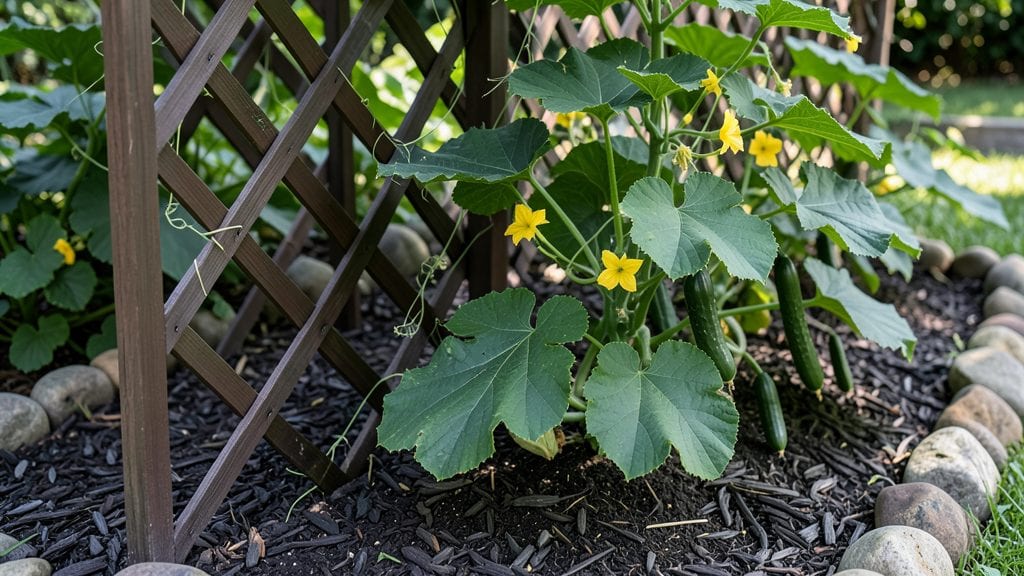
The growth of cucumber plants from seed to salad bowl happens in record time—35-55 days—if you nail the early stages. 🌱 I’ve watched tiny seeds turn into sprawling vines with 20-pound fruits in just two months, and the secret starts before... planting.
The soil temperature alone can make or break those first critical days, where a few degrees difference turns germination from "fast" to "waiting forever."
You’ll need warm soil (at least 70°F), a sunny spot with 6+ hours of direct light, and a trellis or cage to keep those vines from turning your garden into a jungle.
Most gardeners overlook how quickly cucumbers drink water—1-2 inches per week—but too much moisture leads to rot, while too little stunts growth. The right balance turns weak seedlings into thriving vines by midseason.
By week 3, you’ll spot the first tendrils climbing, followed by those signature yellow flowers. Those blooms mean fruit is coming, but here’s the kicker: pruning male flowers (the ones with no tiny cucumbers at the base) boosts production on the female flowers.
Skipping this step? You’ll end up with fewer, smaller cukes—and way more work weeding through the chaos.
This works for both bush and vining varieties, though trellises are non-negotiable for the latter. Whether you’re growing in a raised bed or a balcony planter, the same principles apply: warm soil, consistent water, and a little pruning love. Let’s get those seeds sprouting fast.
📚 In This Guide
- What you need
- Instructions
- Tips and common mistakes
- Wrapping up and next steps
What you need
- ● Cucumber seeds or seedlings: Choose disease-resistant varieties like Marketmore or Straight Eight. Plant 3–5 seeds per hill (or 1–2 seedlings per spot) for optimal growth.
- ● Potting mix or garden soil: Use well-draining, nutrient-rich soil (pH 6.0–6.8). For containers, opt for a lightweight potting mix with perlite or compost.
- ● Compost or organic fertilizer: Mix in 2–3 inches of compost into the soil before planting, or use a balanced 10-10-10 fertilizer at half-strength when vines start to run.
- ● Watering can or hose with a gentle spray nozzle: Cucumbers need 1–2 inches of water weekly, so consistent moisture is key!
- ● Mulch (straw or shredded leaves): Apply a 2–3 inch layer to retain moisture and suppress weeds.
- ● Garden trowel or transplanting spade: For digging holes (6–8 inches deep) or transplanting seedlings.
- ● Trellis, stakes, or cages (5–7 feet tall): Cucumbers are vining plants—support them to save space and improve airflow!
- ○ Pruning shears: Optional but helpful for trimming excess vines or yellowing leaves.
- ● Gloves and knee pads: Protect your hands and knees during planting and maintenance.
- ● Grow lights (for indoor setups): Provide 12–16 hours of light daily if growing indoors.
- ● Drip irrigation system: Automates watering and ensures consistent moisture.
- ● Companion plants: Try planting with basil, marigolds, or radishes to deter pests naturally.
- ● Plant markers: Label your cucumber varieties to track growth progress.
Step-by-step instructions for fast cucumber germination and vine growth
Here's how to coax speedy germination and explosive vine growth from your cucumber seeds.
🌱 Step 1: Prep Seeds and Soil for Rapid Germination
Start by soaking cucumber seeds in lukewarm water for 4-6 hours to soften the seed coat and trigger faster germination. This is where the speed begins—I promise you'll see sprouts within 3-5 days instead of the usual week. While they soak, fill your seed-starting containers with moistened seed-starting mix (never garden soil—it's too dense and slows germination).
Press the soil down gently until it's firm but not compacted. You want it to hold moisture without becoming waterlogged. Plant seeds 1 inch deep—any deeper and they'll struggle to reach the surface. I like to use a toothpick to make small holes, then drop 2-3 seeds per hole. Planting extra gives you backup seedlings in case some fail to germinate.
💧 Step 2: Create Ideal Moisture and Warmth Conditions
Cover the containers with clear plastic wrap or a humidity dome to trap warmth and moisture—cucumbers germinate best at 75-85°F. Place them in a warm spot, like on top of your fridge or near a sunny window (but not in direct sun yet). The plastic creates a mini greenhouse effect that speeds germination dramatically. Check daily for condensation—if you see water droplets, remove the cover for 10-15 minutes to prevent mold.
Keep the soil consistently moist but never soggy. You'll know it's right when the surface looks damp but not glistening. Overwatering now can cause seeds to rot before they sprout. Once you see green sprouts breaking through, remove the cover immediately—too much humidity after germination invites damping-off disease, which can kill seedlings overnight.
☀️ Step 3: Provide Strong Light to Prevent Leggy Growth
The moment seedlings emerge, move them to a location with bright, indirect light for the first 3-4 days. Direct sun can scorch tender new leaves. After that, transition them to 6-8 hours of direct sunlight daily. I use a grow light on a timer set to 14-16 hours per day if natural light isn't sufficient. Without enough light, seedlings stretch toward the sun (called "legginess") and become weak.
Watch for first true leaves (the second set after the initial seed leaves). These will be larger and more defined. Once they appear, your seedlings are ready for slightly cooler temperatures (65-75°F) and can handle more direct sun. If you notice leaves turning pale or stems elongating excessively, your light source is too far away—move it within 4 inches of the plants.
🌿 Step 4: Transplant and Train Vines for Maximum Growth
When seedlings have 3-4 true leaves and are 2-3 inches tall, it's time to transplant them into larger containers or your garden bed. Cucumbers thrive in warm soil (70°F+), so wait until all danger of frost has passed. Harden them off by placing them outside in a sheltered spot for 1-2 hours daily over 5-7 days, gradually increasing their time outdoors.
Once transplanted, train vines to grow vertically using a trellis, cage, or stakes. This saves space, improves air circulation (reducing disease risk), and produces straighter, cleaner fruit. I like to gently tie the main stem to the support with soft plant ties or old fabric strips every 2-3 feet as it grows. Avoid metal ties—they can cut into tender vines as they thicken.
✂️ Step 5: Maintain Vigorous Growth Through Pruning and Care
Cucumbers grow fast, so stay ahead by pruning side shoots (suckers) that form in the leaf axils. Remove these when they're 2-3 inches long to direct energy into the main vine and fruit production. You'll also want to trim any yellow or diseased leaves immediately—this prevents the spread of powdery mildew and other fungal issues. Water at the base of the plant in the morning to keep foliage dry, which further reduces disease risk.
Feed plants every 2-3 weeks with a balanced liquid fertilizer (like 10-10-10) diluted to half strength. You'll see the difference in 3-5 days—vines grow more aggressively, and new leaves emerge larger and darker green. Harvest fruit when they reach 6-8 inches long for the best flavor and to encourage continuous production. The more you pick, the more your plants will produce!
Tips & tricks for fast cucumber germination and vigorous vine growth
Real talk: The difference between cucumber seedlings that pop up in days versus weeks—and vines that explode with growth—comes down to these precise details.
Seed Soaking Secret: For the fastest germination, use lukewarm water (around 85°F) during that 4-6 hour soak. Cold water slows the process, while hot water can damage delicate seed coats. I like to place my bowl of seeds on top of my fridge during soaking—the perfect temperature zone. After soaking, drain immediately and plant within 30 minutes to prevent drying out. The goal is to soften the seed coat just enough to trigger germination without overhydrating.
Temperature Matters: Maintaining that 75-85°F range during germination is non-negotiable. If your kitchen runs cooler, place containers on top of your refrigerator or near a sunny window (but not in direct sun). I've seen germination times stretch to 10-14 days when temperatures dip below 70°F. Pro tip: Use a small digital thermometer to monitor soil temperature—cucumbers won't germinate well below 70°F. Once sprouts appear, you can gradually lower temperatures to 65-75°F for healthier seedlings.
Light Transition Strategy: That 3-4 day period of bright indirect light is crucial for preventing leggy seedlings. I place my trays under LED grow lights set to 14-16 hours per day during this phase. Watch for leaves that look pale or stems stretching toward light—this is your cue to move the light closer (within 4 inches). After the initial 3-4 days, transition to 6-8 hours of direct sun daily. The key is gradual adaptation; sudden full sun can scorch tender new growth and set you back.
Transplanting Timing: Wait until seedlings have 3-4 true leaves and are 2-3 inches tall before transplanting—this ensures they have enough energy reserves for the shock. I harden off my seedlings by placing them outside in a sheltered spot for 1-2 hours daily over 5-7 days, gradually increasing their time outdoors. The morning hours are ideal for hardening off—cooler temperatures and lower light intensity make the transition easier on tender plants. Remember, cucumbers thrive in 70°F+ soil, so always check soil temperature before transplanting.
Pro Tips for Cucumber Plants Growth
- Real talk: The difference between cucumber seedlings that pop up in days versus weeks—and vines that explode with growth—comes down to these precise details.
- Seed Soaking Secret: For the fastest germination, use lukewarm water (around 85°F) during that 4-6 hour soak.
- Temperature Matters: Maintaining that 75-85°F range during germination is non-negotiable.
Frequently asked questions
Got questions about growing cucumbers from seed to harvest? You’re not alone! Here are some of the most common concerns—and their solutions—to help you cultivate thriving vines with ease.
How long does it take for cucumber seeds to germinate?
Cucumber seeds typically sprout in 3–10 days under ideal conditions (warm soil, 70–90°F, and consistent moisture). For faster germination, soak seeds in warm water for 4–6 hours before planting. If soil stays too cold (<50°F), germination can stall for weeks—use a heat mat if needed!
When is the best time to plant cucumbers for maximum growth?
Plant cucumbers after the last frost when soil reaches at least 60°F. In warm climates, sow seeds directly in spring; in cooler regions, start indoors 3–4 weeks before the last frost. For extended harvests, succession plant every 2 weeks until midsummer. Pro tip: Use black plastic mulch to warm soil faster!
Why are my cucumber leaves turning yellow or curling?
Yellowing leaves often signal overwatering, nutrient deficiency (like nitrogen), or pests (e.g., aphids, cucumber beetles). Check soil moisture—cucumbers hate soggy roots. For curling, inspect undersides for pests; treat with neem oil or introduce companion plants like marigolds or nasturtiums to deter bugs.
Can I grow cucumbers in containers, and what’s the best setup?
Use containers at least 12–18 inches deep with drainage holes. Choose bush varieties (like ‘Bush Champion’) or train vining types on a trellis to save space. Mix potting soil + compost, and fertilize weekly with a balanced liquid feed. Pro tip: Prune aggressively to improve airflow and fruit production!
What are the best companion plants for cucumbers?
Cucumbers thrive alongside beans, peas, radishes, dill, and lettuce—these plants repel pests and improve growth. Avoid planting near potatoes, aromatic herbs (like sage), or melons, as they compete for nutrients or attract shared pests. Interplanting with basil can even boost flavor!
How do I protect cucumber plants from extreme heat or cold?
Cucumbers prefer warmth (70–90°F) but wilt in heat over 95°F. Use shade cloth or mulch to retain moisture. For cold snaps (<50°F), cover plants with frost blankets at night. If frost threatens, harvest remaining fruit—cucumbers won’t survive below 30°F. Pro tip: Drip irrigation keeps roots cool!
Wrapping up and next steps
Growing thriving cucumber plants is all about patience, the right conditions, and a little love—and you’ve got this! 🌱 By mastering fast germination, supporting vigorous vines, and leveraging companion plants, you’re well on your way to a bountiful harvest.
Whether you’re a seasoned gardener or just starting out, every healthy plant begins with the steps you’ve learned here.
Now that you’re armed with knowledge, take the next step: grab your seeds, pick a sunny spot, and get planting! Track your progress, experiment with companions like radishes or marigolds, and soon you’ll be enjoying crisp, homegrown cucumbers straight from your garden. Happy growing! 🥒✨