
Pruning
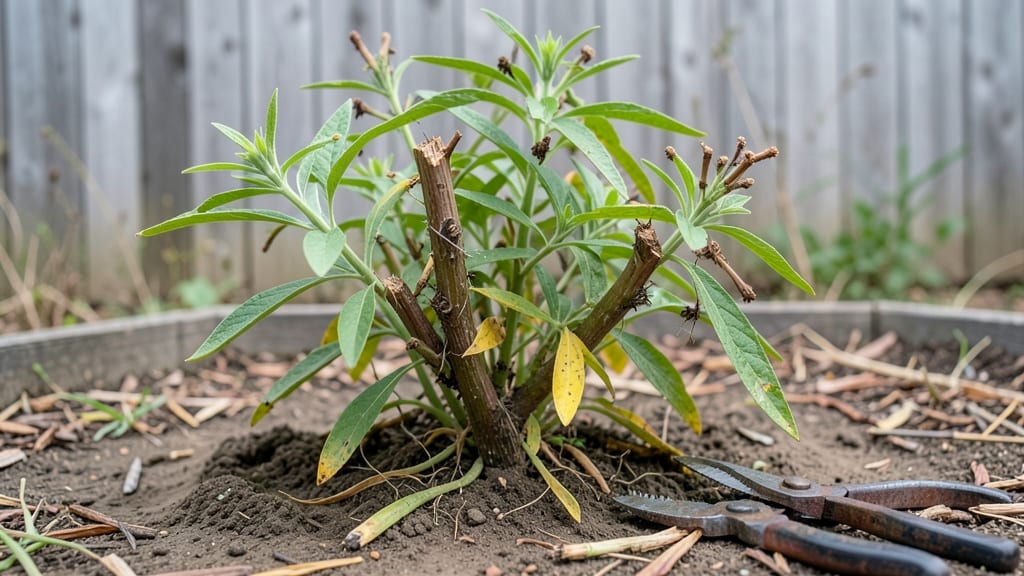
Cutting back lantana plants keeps them blooming like crazy all season long. 🌺 I’ve learned that three simple trims—early spring, mid-summer, and late fall—transform my leggy bushes into dense, flower-covered powerhouses. The key is timing and technique, not brute force.
You’ll need sharp pruners, gloves (those thorns are no joke), and a clear morning to work. Lantanas thrive on bold cuts—up to a third of the plant—so don’t be shy with the shears.
The more you trim, the bushier and more prolific the blooms become. My plants now produce flowers from May until frost, even in hot, dry summers.
After pruning, you’ll notice fresh green growth within days, and those new shoots will soon burst with tiny flower buds. The plants stay compact, resist pests better, and recover from winter setbacks like champs.
Just avoid cutting into old wood—lantanas bloom on new growth, so focus on the fresh, green stems.
Works for both container lantanas and in-ground shrubs, and the same rules apply whether you’re shaping a hedge or keeping a single plant tidy. Here’s exactly how to do it without killing your plant—or your hands.
📚 In This Guide
- What you need
- Instructions
- Tips and common mistakes
- Wrapping up and next steps
What you need
- ● Pruning shears or hand pruners: Bypass-style shears (sharp, 5-7" blades) for clean cuts on small stems.
- ● Loppers: For thicker branches (1-2" diameter), choose bypass loppers with a 6-8" blade.
- ● Pruning saw: Heavy-duty, curved blade for stubborn, woody stems (3"+ diameter).
- ● Garden gloves: Thick, cut-resistant gloves (e.g., leather or synthetic blend) to protect hands from thorns and sap.
- ● Disinfectant (70% isopropyl alcohol or bleach solution): 1 part bleach to 9 parts water for sterilizing tools between cuts.
- ● Heavy-duty trash bags or compost bin: For collecting pruned debris (lantana is invasive—don’t compost if in your area!).
- ● Step stool or ladder: For reaching taller lantana (ensure it’s stable and rated for your weight).
- ● Hedge shears: For shaping dense lantana hedges—choose 8-12" blades for uniformity.
- ● Long-handled pruners (e.g., "lollipop" pruners): For ground-level trimming without bending.
- ● Plant food (balanced 10-10-10 or slow-release granules): Apply after pruning to encourage regrowth.
- ● Safety glasses: Protect your eyes from debris, especially when using a pruning saw.
- ● Spray bottle with soapy water: Quick cleanup for sticky lantana sap on tools.
Step-by-Step instructions for cutting back lantana plants
Here's the straightforward approach I use to keep lantana blooming nonstop—no fancy tools or complicated steps.
✂️ Step 1: Time Your First Trim After Initial Blooms
Wait until your lantana has finished its first flush of flowers—typically 6-8 weeks after planting—before your first major trim. You'll know it's ready when about half the blooms have faded and new buds are forming along the stems. This timing ensures you're not cutting back too early and sacrificing potential flowers.
Grab your clean, sharp pruners and make your first cut about 3-4 inches above a leaf node or where you see new growth starting. This encourages the plant to branch out and produces a fuller, bushier shape. Avoid cutting into old, woody stems—they won't regrow leaves or flowers.
✂️ Step 2: Perform Mid-Season Maintenance Trims
Every 4-6 weeks after the first trim, check your lantana for spent blooms or leggy growth. You'll notice some stems stretching too tall or looking bare at the bottom—this is your cue to shape it up. Cut back these stems by about one-third of their length, always making cuts just above a leaf node or bud.
Here's the thing—lantana responds beautifully to regular trims, so don't be shy about pruning. The more you shape it, the more compact and flower-heavy it becomes. Just remember: always cut at a 45-degree angle just above a leaf node to promote healthy regrowth. Avoid cutting into bare stems or you'll end up with bare spots that never recover.
✂️ Step 3: Do a Light Winter Trim to Encourage Spring Growth
In late winter, just as new growth begins to appear, give your lantana a light trim to remove any dead or damaged stems. You'll easily spot these—they look brown and brittle compared to the fresh green growth. Cut these out completely at the base, but leave the healthy stems alone for now.
For the remaining stems, simply trim back any that are growing too long or looking leggy by about one-quarter of their length. This light trim signals the plant to focus its energy on producing fresh, vibrant growth rather than maintaining old stems. You'll see new leaves and buds appearing within 2-3 weeks—that's your sign everything is working.
🌿 Step 4: Deadhead Regularly for Nonstop Blooms
Between your major trims, keep an eye out for spent blooms and remove them as soon as they fade. Simply pinch or snip off the faded flower clusters at their base—no need to worry about precision here. This encourages the plant to produce more flowers instead of setting seed.
I like to do this every 1-2 weeks during peak blooming season. You'll notice your lantana putting out new buds almost immediately after deadheading. The key is consistency—if you let too many flowers go to seed, the plant will shift its energy away from producing more blooms and toward seed development.
Tips & tricks for perfect lantana pruning
These simple tricks will help you keep your lantana blooming beautifully all year without the guesswork—trust me, it's easier than you think.
The First Trim Timing: I can't stress this enough—wait for that 6-8 week mark before your first major trim after planting. You'll know it's time when about half the blooms have faded and you see new buds forming. Cutting too early means you're sacrificing potential flowers, and cutting too late can stress the plant. Think of it like waiting for the perfect moment to harvest tomatoes—timing is everything.
Pruning Angle Matters: When you make those cuts in Step 2, always aim for a 45-degree angle just above a leaf node or bud. This isn't just for looks—it creates a larger surface area for water to enter and helps prevent disease. I promise you'll see a difference in how quickly new growth appears after you start cutting this way. And remember, always cut at the node, never in the middle of a stem.
Deadheading Secret: The 1-2 week deadheading schedule during peak blooming season is your secret weapon for nonstop flowers. I like to do this on my morning coffee walk—just a quick pinch of spent blooms as I go. You'll notice new buds forming within days, and your lantana will look like it's in constant bloom. It's like giving your plant a little nudge to keep producing instead of going to seed.
Winter Trim Wisdom: That one-quarter length trim in late winter might seem drastic, but it's what gets your lantana ready for spring. You'll see fresh green growth appear within 2-3 weeks—that's your plant's way of saying "thank you" for the light trim. Just avoid cutting into those brown, brittle stems completely; they won't regrow, and you'll be left with bare spots.
Pro Tips for Cutting Back Lantana Plant
- These simple tricks will help you keep your lantana blooming beautifully all year without the guesswork—trust me, it's easier than you think.
- The First Trim Timing: I can't stress this enough—wait for that 6-8 week mark before your first major trim after planting.
- Pruning Angle Matters: When you make those cuts in Step 2, always aim for a 45-degree angle just above a leaf node or bud.
Frequently asked questions
Got questions about trimming your lantana?
Here are answers to the most common concerns—so you can keep your plants thriving and blooming all year!
When is the best time to cut back lantana?
Lantana thrives with year-round trims, but focus on three key times: early spring (to encourage new growth), after heavy blooms (to promote more flowers), and late summer/fall (to shape and prep for winter). Light pruning can happen anytime—just avoid harsh cuts during frost!
How much can I trim lantana without harming it?
You can cut up to ⅓ of the plant at a time without stressing it. For woody stems, trim just above a leaf node or bud to encourage branching. Avoid over-trimming in one session—lantana bounces back fast, but gradual cuts keep it healthier. Pro tip: If you see leggy growth, a hard cut back to 6–12 inches often revives the plant!
Will cutting back lantana reduce its flowers?
Not at all! Pruning actually boosts blooms by removing spent flowers and encouraging new growth. The more you trim (especially after flowering spikes), the more your lantana will reward you with dense, vibrant clusters. Think of it like giving your plant a haircut—it grows back fuller and happier!
What if my lantana looks sad after trimming?
Don’t panic! A "sad" look usually means it’s adjusting. Give it 1–2 weeks to recover, then check for:
If you prefer a hands-off approach, try these low-maintenance tips:
New shoots should appear within 2–3 weeks.
Are there alternatives to pruning if I don’t want to cut back?
However, full pruning every 3–4 months still yields the best results for lush, long-lasting blooms!
Wrapping up and next steps
Cutting back your lantana plants doesn’t have to be a daunting task—with just three simple trims a year, you can keep them thriving and blooming like never before! 🌸 Whether you’re pruning to shape, encourage new growth, or control their spread, the key is consistency and confidence.
Now that you’re armed with the right tools, techniques, and answers to common questions, it’s time to roll up your sleeves and give your lantana the care it deserves.
Take that first step today—grab your pruners, pick a sunny day, and watch your lantana transform into a vibrant, well-managed beauty. Your garden (and future visitors!) will thank you. Happy pruning! ✂️🌿