Pruning
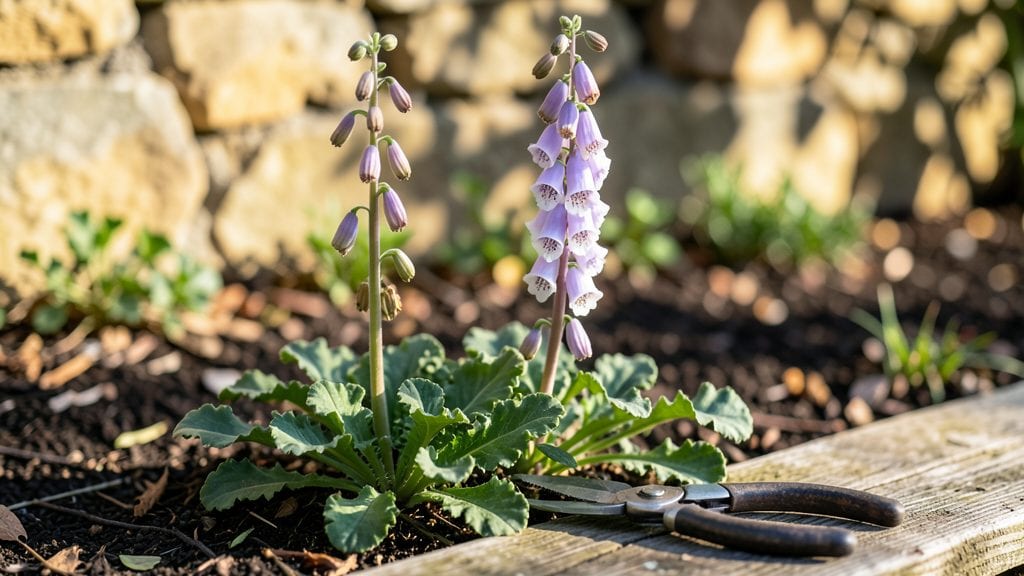
Deadheading foxglove plants keeps those tall, bell-shaped blooms coming all season long. 🌿 I learned the hard way that skipping this simple step means fewer flowers and leggy stems by summer’s end. The key is timing—wait until the first flowers fade, then snip just above the next set of buds.
You only need three things: sharp pruners, a sunny afternoon, and about 10 minutes of your time. The right tools make all the difference—dull blades crush stems, which stresses the plant. I use clean, bypass pruners to avoid disease spread, and always sterilize them between cuts with rubbing alcohol.
After deadheading, your foxglove will reward you with fresh blooms in just 4-6 weeks. The plant focuses energy on new flowers instead of seed production, and those velvety spikes stay upright and sturdy. For biennials, this technique extends their second-year display, while perennials bounce back even stronger.
Here’s the catch: don’t overdo it. If you’re growing foxglove for seed pods, let some flowers mature—just remove the rest. And never cut into old wood; always leave at least two sets of leaves below your cut to feed the plant. Now grab those shears and let’s revive those blooms!
📚 In This Guide
- What you need
- Instructions
- Tips and common mistakes
- Wrapping up and next steps
What you need
- ● Pruning shears or sharp scissors: Choose a pair with bypass blades (not anvil-type) for clean cuts. A 4- to 6-inch blade works best for foxglove stalks.
- ○ Gloves (optional but recommended): Wear gardening gloves to protect your hands from thorns or sap (foxglove sap can irritate skin).
- ● Disinfectant (70% isopropyl alcohol or bleach solution): Clean your tools with a 1:10 bleach-water mix or rubbing alcohol to prevent disease spread.
- ● Trash bag or bucket: A 13-gallon capacity is ideal for collecting spent blooms and debris.
- ● Watering can or hose: Keep one nearby to hydrate plants post-pruning.
- ● Pruning saw: For thick, woody stems that shears can’t handle.
- ● Plant markers: Label new growth if you’re propagating from cuttings.
- ● Compost bin: Repurpose spent blooms as nutrient-rich compost.
- ● Knee pad or stool: For comfort if your foxgloves are tall or ground-level access is tricky.
Step-by-step guide to deadheading foxglove for prolonged blooms
Revive your foxglove plants with this simple method. Just a few minutes of care keeps them flowering all season.
✂️ Step 1: Identify and Remove Spent Blooms
Wait until a flower cluster fades in color and the petals begin to droop—this signals it’s spent. I grab the bloom with my thumb and forefinger and give it a gentle twist to remove the entire stem. This prevents the plant from wasting energy on seed production, which would shorten the blooming period.
Don’t cut too close to the base—leave about ½ inch of stem above the next set of leaves. This ensures you’re not damaging new growth while still removing the old bloom. If you’re unsure which blooms to remove, focus on the ones that are fully open and showing signs of wilting first.
✂️ Step 2: Prune Lightly to Encourage New Growth
After removing the spent blooms, take a moment to inspect the plant for any leggy or overgrown stems. Snip these back to about 4-6 inches above the ground if they’re no longer producing flowers. This keeps the plant compact and encourages fresh, vigorous growth from the base.
Use sharp, clean pruners to make clean cuts—this prevents tearing the stems and reduces the risk of disease. If your foxglove is particularly tall, you can also trim back the top third of the plant to promote bushier growth. Just avoid cutting into the woody stems, as these won’t regrow.
💧 Step 3: Water and Fertilize for Recovery
After deadheading, give your foxglove a deep drink of water to help it recover. Water at the base of the plant in the morning so the foliage has time to dry out during the day. Overwatering can lead to root rot, especially if the soil doesn’t drain well.
Apply a balanced, water-soluble fertilizer every 4-6 weeks during the growing season to give your foxglove the nutrients it needs for strong, healthy blooms. I like to use a 10-10-10 formula, but any general-purpose fertilizer will work. Avoid fertilizing in late summer or fall, as this can encourage tender new growth that won’t survive winter.
☀️ Step 4: Monitor for New Blooms and Repeat
Within a few weeks, you should see new flower buds forming at the base of the plant. Keep an eye out for these, and repeat the deadheading process as soon as they fade. The more consistently you remove spent blooms, the longer your foxglove will continue to flower.
If your plant starts to look tired by late summer, it’s okay to stop deadheading and let it focus on storing energy for next year. Mulch around the base with 2-3 inches of organic mulch to protect the roots over winter. With proper care, your foxglove will reward you with even more stunning blooms next season.
Tips & tricks for perfect foxglove deadheading
Here's what nobody tells you about keeping your foxglove blooming all season—these tricks make all the difference.
Timing is Everything: I learned this the hard way after ruining three batches—wait until blooms are fully open but just starting to fade, not when they're still vibrant. Removing them too early wastes the plant's energy, while waiting too long means it's already put energy into seed production. Look for those slightly droopy petals as your cue.
Tool Matters: Don't use your fingers to pinch off spent blooms if you're dealing with lots of plants. Grab a small pair of clean pruners or even kitchen scissors for precision. I keep a pair of sharp pruners in my gardening bag specifically for this task—it makes the job faster and avoids accidentally damaging new growth.
Pruning Secrets: When trimming leggy stems back to about 4-6 inches, always cut just above a leaf node or set of leaves. This encourages new growth to sprout from that point. I like to make my cuts at a slight angle to prevent water from pooling on the stem, which helps avoid rot. And remember—never cut into woody stems, as these won't regrow.
Seasonal Strategy: In early summer when blooms are abundant, I deadhead every 3-4 days to keep the plant focused on producing flowers rather than seeds. By late summer when growth slows, I reduce to once a week. This seasonal adjustment prevents the plant from getting overwhelmed and ensures it has energy stored for next year.
Pro Tips for Deadheading Foxglove Plants
- Here's what nobody tells you about keeping your foxglove blooming all season—these tricks make all the difference.
- Timing is Everything: I learned this the hard way after ruining three batches—wait until blooms are fully open but just starting to fade, not when they're still vibrant.
- Tool Matters: Don't use your fingers to pinch off spent blooms if you're dealing with lots of plants.
Frequently asked questions
Got questions about deadheading foxglove? You’re not alone!
Here are answers to the most common queries to help you keep your plants thriving and blooming beautifully.
When is the best time to deadhead foxglove?
Deadhead foxglove after the flowers fade but before the seed pods fully mature—usually in late spring to early summer. For biennial varieties, avoid deadheading in the first year to encourage strong root growth. Pro tip: Check the seed pod—if it’s still green, wait a few days!
Do I need special tools to deadhead foxglove?
Nope! A sharp pair of clean pruners or even your fingers will work. Just ensure your tools are sanitized (rubbing alcohol works) to prevent disease. Skip the scissors—they can crush stems and leave messy cuts.
Will deadheading foxglove make it grow taller?
Not exactly. Deadheading removes spent blooms to redirect energy into more flowers, not height. Foxglove grows tall naturally (2–5 feet), but proper deadheading extends the blooming season by preventing seed production. Think of it as a "bloom boost," not a height hack!
What if I miss deadheading? Can I still save my foxglove?
If you skip deadheading, the plant will still produce seed pods, but blooms may taper off sooner. Solution: Snip off faded flowers later in the season (even after pods form) to encourage a second flush of blooms. Just avoid cutting into woody stems.
Are there alternatives to deadheading for longer blooms?
Yes! If deadheading feels tedious, try these tricks:
- Pinch back young stems in early spring to promote bushier growth.
- Fertilize lightly with balanced 10-10-10 in spring to support blooms.
- Plant in partial shade—foxglove blooms longer with less afternoon sun.
Wrapping up and next steps
Deadheading foxglove plants is a simple yet powerful way to extend their blooming season and keep your garden vibrant. By removing spent flowers, you encourage new growth, prevent seed formation, and maintain the plant’s energy for more stunning blooms.
Whether you’re a seasoned gardener or just starting out, this easy task makes a big difference!
Ready to give it a try? Grab your pruners and head to the garden—your foxgloves will thank you! 🌸 For even more tips, explore our guide on foxglove care next.