Pruning
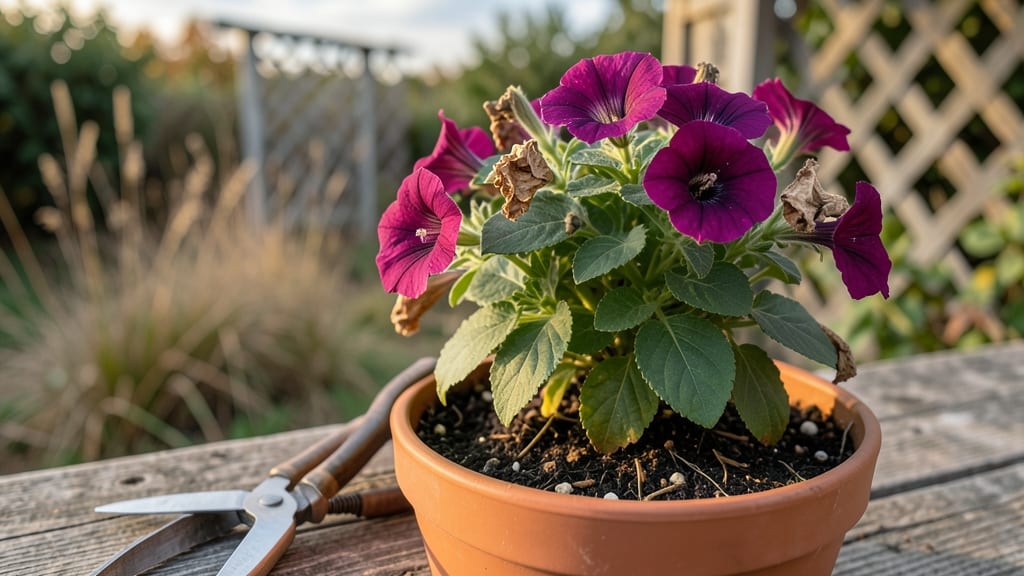
Deadheading plants in October isn't just tidying up—it's a secret weapon for next year's garden. 🌿 I learned this after watching my fall-blooming asters and chrysanthemums flop over with spent blooms, while my neighbor's plants kept producing through frost. The difference? Timing and technique.
Most gardeners stop deadheading when summer ends, but October is actually prime time for perennials like coneflowers, black-eyed Susans, and sedum. These plants store energy in their roots for next spring's growth—so removing faded blooms now prevents seed production that drains their strength.
Just avoid deadheading frost-sensitive plants like mums until after your first hard freeze.
You'll see stronger stems, more blooms, and plants that bounce back faster in spring. The key is clean cuts just above a set of healthy leaves or buds, using sharp pruners to avoid tearing. For woody plants like roses, a light trim encourages new growth before dormancy sets in.
This works for both sunny borders and shady garden nooks, though always check individual plant care guides. The payoff? A garden that wakes up in April looking like it's been prepped by a pro. Ready to try it?
📚 In This Guide
- What you need
- Instructions
- Tips and common mistakes
- Wrapping up and next steps
What you need
- ● Pruning shears: A sharp, bypass-style pair (4- to 6-inch blades) for clean cuts. Dull shears crush stems—avoid this!
- ● Hand pruners: Compact, ergonomic pair (3-inch blades) for small blooms or tight spaces.
- ● Gloves: Heavy-duty, garden-grade gloves (waterproof, with reinforced palms) to protect against thorns or sap.
- ● Garden waste bag: 30- to 50-gallon capacity (knot the top tightly to deter pests).
- ● Disinfectant: 70% isopropyl alcohol or a bleach-water mix (1 part bleach to 9 parts water) to sterilize tools between plants.
- ● Loppers: For larger stems (8- to 10-inch blades) if deadheading shrubs like hydrangeas or roses.
- ● Knee pad: Cushioned, breathable pad for comfort during long sessions.
- ● Magnifying glass: Useful for spotting buds hidden in foliage (especially on perennials).
- ● Pruning saw: For thick, woody stems (rare in October but handy for late-blooming perennials).
- ● Weather check: Deadhead on a dry, overcast day (avoid wet conditions to prevent disease spread).
- ● Plant ID: Know which plants benefit from deadheading (annuals, perennials, and some shrubs) vs. those that shouldn’t be pruned yet (e.g., late-blooming asters or sedum).
- ● Tool sharpening: Hone shears before starting—dull blades tear stems, inviting infections.
Step-by-step instructions for late-season deadheading in October
Here’s how to clean up your garden now for stronger blooms next spring.
✂️ Step 1: Identify Which Flowers to Deadhead
Focus on perennials and self-seeding annuals that still have spent blooms. Look for flowers with dried petals or seed pods—these signal the plant is redirecting energy toward seed production instead of next year’s growth. Roses, coneflowers, and black-eyed Susans are classic candidates. Skip deadheading if frost is forecast within 48 hours; the plant’s energy will go dormant naturally.
I always start with the healthiest plants first. If a stem looks weak or diseased, snip it off entirely and dispose of it in the trash—not the compost. Healthy stems can be trimmed back to just above a set of leaves or a strong bud. This ensures the plant has energy reserves for new growth next season.
✂️ Step 2: Use the Right Tools and Technique
Grab your clean, sharp pruners or bypass shears—dull blades crush stems and invite disease. Cut at a 45-degree angle about ¼ inch above a leaf node or outward-facing bud. This angle helps water run off the stem instead of pooling and rotting. For delicate stems like those on impatiens, pinch them by hand instead of cutting.
Never rip or tear blooms—this damages the stem and leaves jagged edges that can trap moisture. If you’re working with large flowers like dahlias, use a clean knife or secateurs to avoid crushing the thick stems. Always sterilize your tools with rubbing alcohol between plants to prevent spreading pathogens.
✂️ Step 3: Remove Seed Heads Strategically
For plants you want to return next year, remove only the spent blooms, leaving the seed heads intact. This preserves the plant’s natural structure and often adds winter interest. If you’re okay with self-seeding (like cosmos or zinnias), let a few seed heads mature for next year’s surprises. For aggressive self-seeders like Queen Anne’s lace, remove all seed heads to control spread.
I like to leave a few seed heads on perennials like coneflowers for birds and pollinators. If you must remove them, do it gradually over a few weeks. Sudden defoliation stresses plants, especially in late fall when they’re preparing for dormancy.
⏰ Step 4: Time Your Deadheading for October’s Conditions
Deadhead on a dry, overcast day when temperatures are above 50°F but below 70°F. Morning is ideal—cooler temps reduce stress on the plant. Avoid deadheading after a rain or when frost is imminent. If you miss October, wait until spring to prune back perennials; cutting too late can stimulate tender new growth that won’t survive winter.
Watch for new buds forming after deadheading—this is your signal the plant is responding well. If no new growth appears within 1-2 weeks, the plant may be entering dormancy early. In that case, stop pruning and focus on mulching to protect roots over winter.
🌿 Step 5: Clean Up and Protect for Winter
After deadheading, rake up fallen petals and debris to reduce disease risk. Dispose of diseased material in the trash, not the compost. For tender perennials like salvia or lavender, apply a 2-3 inch layer of mulch (like shredded leaves or straw) to insulate roots. Skip mulching woody stems—this can trap moisture and cause rot.
I always take a final walk through the garden after deadheading to spot any straggling blooms or weak stems. A quick trim now prevents unsightly winter debris and keeps the garden looking tidy. By November, your plants will be prepped and ready to rebound in spring.
Tips & tricks for perfect late-season deadheading
These simple strategies will help you extend your garden's life and set up next year's blooms for success.
The Frost Factor: The 48-hour frost window is your deadline for deadheading. If frost is forecast within that time, skip it—plants will naturally redirect energy to roots. I've learned this the hard way after pruning too late and watching tender stems freeze back. Always check your local weather before starting, especially in October when temperatures can swing wildly.
Tool Technique: Sterilizing your pruners between plants is non-negotiable. I keep a small bottle of rubbing alcohol in my gardening bucket and wipe blades after every 3-4 cuts. This prevents spreading fungal spores like powdery mildew, which can ruin your plants over winter. For delicate flowers like impatiens, I switch to finger-pinching instead of cutting to avoid stem damage entirely.
Strategic Seed Head Removal: Leaving some seed heads on perennials like coneflowers actually benefits your garden. These provide winter interest and food for birds. If you're dealing with aggressive self-seeders like Queen Anne's lace, remove all seed heads—but do it gradually over a few weeks. Sudden defoliation shocks plants when they're preparing for dormancy, especially in late fall.
Temperature Timing: The ideal 50°F to 70°F window for deadheading exists for a reason—it's when plants recover best. Morning deadheading is perfect because cooler temps reduce stress. I've noticed that afternoon sessions in hotter weather often lead to wilting, so I always work early. If you must deadhead in warmer conditions, provide shade for plants immediately after.
Pro Tips for Deadheading Plants October
- These simple strategies will help you extend your garden's life and set up next year's blooms for success.
- The Frost Factor: The 48-hour frost window is your deadline for deadheading. If frost is forecast within that time, s...
- Tool Technique: Sterilizing your pruners between plants is non-negotiable. I keep a small bottle of rubbing alcohol i...
Frequently asked questions
Got questions about deadheading in October?
You’re not alone! Here are some of the most common concerns—and their solutions—to help you tackle late-season pruning like a pro.
Why should I deadhead in October instead of waiting for spring?
Deadheading in October removes spent blooms and redirects the plant’s energy toward root and stem growth, not seed production. This boosts next year’s blooms and strengthens the plant’s resilience before winter. For perennials, it’s a game-changer for healthier regrowth!
What if I miss October? Can I still deadhead later?
Yes, but timing matters! For perennials, deadhead until the first frost—just avoid cutting back woody stems (like peonies) until spring. For annuals, stop deadheading once frost hits, as new growth won’t survive. Think of it as a “last call” for late-season care.
How do I know if I’m cutting too much or too little?
Follow the 1/3 rule: Never remove more than one-third of a plant’s foliage at once. Look for healthy leaves below the dead bloom—cut just above the next set of leaves or buds. Over-pruning stresses plants, while under-pruning leaves them messy. Balance is key!
Are there plants I shouldn’t deadhead in October?
Skip deadheading for:
- Seed-producing plants (like coneflowers or black-eyed Susans) if you want wildlife to enjoy them.
- Ornamental grasses—leave their seed heads for winter interest.
- Tender perennials (e.g., dahlias) that die back in cold climates.
What if my plant looks sad after deadheading?
Don’t panic! A wilted appearance is normal—plants often need 24–48 hours to recover. If the soil is dry, give it a drink (but avoid overwatering). For leggy or weak stems, a light fertilizer with low nitrogen can help. Most plants bounce back with time!
Wrapping up and next steps
Deadheading your plants in October isn’t just about tidying up your garden—it’s a powerful way to boost next year’s blooms and keep your plants healthy.
By removing spent flowers and focusing on late-season care, you’re setting the stage for a vibrant, low-maintenance garden that’ll reward you with even more stunning blooms in spring. So grab those pruners, take a deep breath, and enjoy the process—your future garden will thank you!
Ready to take it further? Plan your garden layout now and note which plants thrived (or struggled) this year. A little prep now means less stress and more beauty when the growing season rolls around again. Happy gardening! 🌸