
Companion Plants
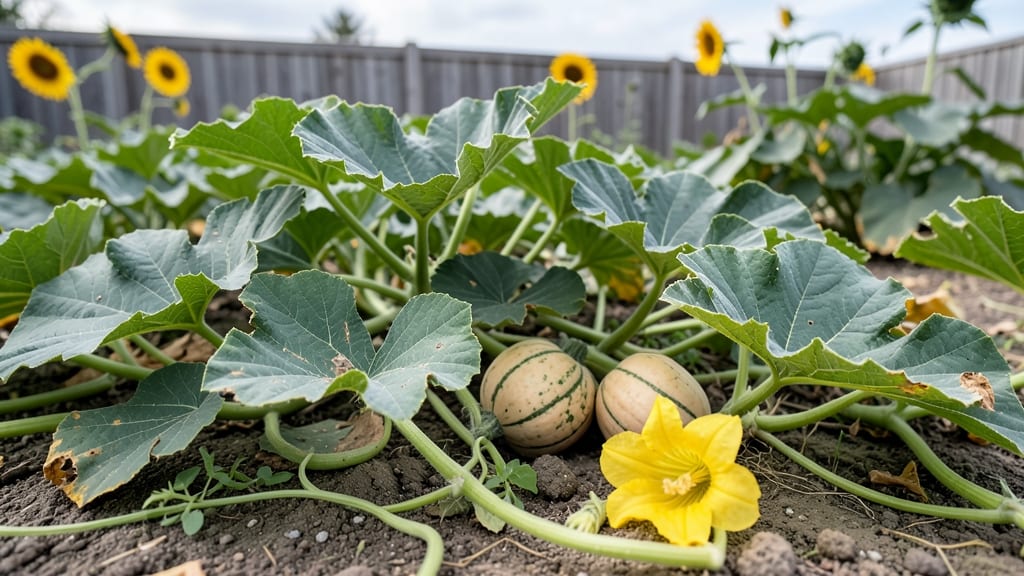
Growing delicata squash plants means fewer pests and bigger harvests—when you pair them right. 🌱 I learned the hard way that planting them near beans and herbs cuts down on squash bugs while boosting growth, and once you see the difference, you’ll never grow them alone again.
The secret starts with warm soil and full sun—delicatas thrive in 60-80°F temperatures and need 12+ hours of sunlight daily. Space plants 3-4 feet apart in rich, well-draining soil mixed with compost, and water deeply at the base to avoid fungal issues like powdery mildew.
A 3-inch layer of straw mulch keeps roots cool and weeds down.
By midsummer, you’ll be harvesting striped, sweet squash that stores for months. The right companions—like nasturtiums or marigolds—keep pests away while attracting pollinators, so your vines stay healthy and productive. Even in short seasons, these squash mature fast, giving you a reliable harvest before frost.
Works for containers too—just use 5-gallon pots and trellis the vines to save space. The key? Consistent care and smart pairings. Once you try this method, you’ll wonder why you ever grew squash any other way.
📚 In This Guide
- What you need
- Instructions
- Tips and common mistakes
- Wrapping up and next steps
What you need
- ● Delicata squash seeds or seedlings: 3–5 plants per 100 sq. ft. (choose disease-resistant varieties if possible).
- ● Companion plants (see article for pairings!): Herbs: Basil, dill, oregano, or thyme (1–2 plants per squash).
- ● Flowers: Marigolds (5–10 plants per 100 sq. ft.) or nasturtiums (scattered edges).
- ● Vegetables: Beans (bush or pole, 2–3 plants per squash), corn (1–2 stalks per squash), or radishes (interplanted early).
- ● Growing space: Full sun (6–8 hours daily), well-draining soil (pH 6.0–7.0).
- ● Soil amendments: Compost (1–2 gallons per planting hole).
- ● Balanced fertilizer (5-10-10, 1 tbsp per hole).
- ○ Support structures (optional): Sturdy trellis or cage (for vining varieties).
- ● Mulch (straw or black plastic, 2–3 inches thick).
- ● Garden trowel or shovel.
- ● Watering can or hose with adjustable nozzle.
- ● Pruners (for trimming companion plants).
- ● Row cover or netting (to deter pests like squash bugs).
- ● Gloves (for handling prickly vines or soil).
- ○ Optional but helpful: Soil pH test kit (to monitor acidity).
- ● Organic pest spray (neem oil or insecticidal soap).
- ● Plant markers (to track varieties).
Step-by-Step guide for planting delicata squash with pest-repelling companions
Here’s how to maximize yields and minimize pests by strategically pairing delicata squash with the right neighbors.
🌱 Step 1: Choose the Right Companion Plants for Delicata Squash
Delicata squash thrives when paired with plants that deter pests like squash bugs and cucumber beetles. Start with nasturtiums—their peppery scent confuses pests, and they attract aphids away from your squash. Marigolds, especially French or Mexican varieties, release compounds that repel nematodes and beetles while attracting beneficial insects like ladybugs.
Add bush beans or dwarf peas nearby—they fix nitrogen in the soil, enriching it for your squash without competing for space. Avoid planting near potatoes or fennel, as they stunt squash growth. I always space nasturtiums in a border around the squash patch and interplant marigolds every 18 inches for even pest protection.
💧 Step 2: Prepare the Soil and Plant Delicata Squash
Delicata squash needs well-draining, nutrient-rich soil with a pH of 6.0–7.0. Work 2–3 inches of compost into the top 12 inches of soil before planting, using the 1 packet of delicata squash seeds you’ve saved. Plant seeds 1 inch deep and 3–4 feet apart—this spacing prevents disease spread and allows room for companion plants.
After planting, water deeply to settle the soil, then mulch with straw to retain moisture and suppress weeds. I like to add a 1-inch layer of compost tea at planting time to boost microbial activity, which helps roots establish faster. Keep the soil consistently moist but never soggy—delicata squash hates wet feet.
☀️ Step 3: Interplant Companions and Monitor Pest Activity
Once your delicata squash has 2–3 true leaves, transplant nasturtiums and marigolds around the perimeter, spacing them 12–18 inches apart. These companions will flower quickly, drawing pests away from your squash. Check for squash vine borers or cucumber beetles weekly—handpick adults and drop them in soapy water before they lay eggs.
If aphids appear on nasturtiums, let them stay—they’ll serve as a sacrificial trap crop. Avoid chemical sprays near edible plants; instead, spray affected nasturtiums with neem oil to keep pests contained. I also place yellow sticky traps near the patch to catch flying insects before they reach the squash.
✂️ Step 4: Maintain the Garden and Harvest at Peak Ripeness
Throughout the season, prune marigolds and nasturtiums to encourage bushier growth and more flowers. Remove any wilted or diseased foliage from squash immediately to prevent spread. When delicata squash vines reach 4–5 feet long, gently mound extra soil around the base to prevent rot and encourage root growth.
Harvest when the squash is 8–10 inches long and the skin turns golden with stripes—this is when they’re sweetest. Use a sharp knife to cut stems, leaving 1 inch of attachment to avoid damaging the vine. I harvest in the morning after dew has dried to preserve quality, and always leave 2–3 squash per vine to mature fully for seed-saving.
🪴 Step 5: Extend the Season with Successive Plantings
For a prolonged harvest, plant a second batch of delicata squash 4–6 weeks after the first, using the same companion setup. Nasturtiums and marigolds will still be active, providing continuous pest control. In cooler climates, use black plastic mulch to warm the soil and extend the growing season by 2–3 weeks.
After harvest, let companion plants like nasturtiums and marigolds flower into seed—you’ll get free plants for next year. Compost any remaining squash vines (unless diseased) to return nutrients to the soil. I always save seeds from the best-performing squash and replant companions in the same spot the following year for even better results.
Tips & tricks for perfect delicata squash planting
Here's what I've learned after years of growing delicata squash with companion plants—these tricks will help you avoid common pitfalls and maximize your harvest.
Companion Planting Strategy: In Step 1, when planting nasturtiums and marigolds, create a checkerboard pattern rather than just a border. This ensures even pest protection across your entire squash patch. I've found that spacing marigolds every 18 inches as instructed works perfectly, but adding nasturtiums in between creates a more effective pest barrier. The key is maintaining that 12-18 inch spacing between all companions to prevent competition while maximizing pest deterrence.
Soil Preparation Insight: For Step 2, don't skimp on the compost—delicata squash is hungry! Work that 2-3 inches of compost into the top 12 inches of soil thoroughly, breaking up any clumps. I've noticed that adding a handful of wood ash (from untreated wood) when amending the soil can help raise the pH slightly if your soil tests below 6.0. This small adjustment makes a big difference in nutrient uptake, especially for squash.
Pest Monitoring Pro Tip: In Step 3, when checking for squash vine borers, look for tiny holes in the stems and sawdust-like frass (borer excrement) near the base of plants. I've learned that early morning is the best time to spot these pests—handpick them before they lay eggs. For the neem oil application, mix it with a drop of dish soap to help it stick to the plants better, especially on those nasturtiums acting as trap crops.
Harvesting Technique: When harvesting in Step 4, use a sharp knife to cut stems rather than twisting them off. This prevents damaging the vine and allows the squash to continue growing. I've found that harvesting in the morning after dew has dried preserves the squash's sweetness better than harvesting later in the day. Also, leaving 2-3 squash per vine to mature fully ensures you'll have seeds for next year's planting.
Pro Tips for Delicata Squash Plants
- Here's what I've learned after years of growing delicata squash with companion plants—these tricks will help you avoid common pitfalls and maximize your harvest.
- Companion Planting Strategy: In Step 1, when planting nasturtiums and marigolds, create a checkerboard pattern rather than just a border.
- Soil Preparation Insight: For Step 2, don't skimp on the compost—delicata squash is hungry!
Frequently asked questions
about delicata squash plants—because every gardener deserves a thriving harvest without the pests!What are the best companion plants for delicata squash to deter pests?
Delicata squash thrives with marigolds (repel squash bugs), nasturtiums (deter cucumber beetles), and bush beans (fix nitrogen). Avoid planting near potatoes or fennel, as they compete for nutrients and attract pests. For a full guide, check out our companion plant chart!
How long does it take for delicata squash plants to mature?
Delicata squash typically matures in 75–90 days from transplanting, depending on your climate. Start seeds indoors 2–3 weeks before your last frost or plant directly after soil warms to 60°F (15°C). Early varieties may ripen faster in hotter regions.
Why do my delicata squash leaves have holes, even with companion plants?
Holes in leaves usually mean cucumber beetles or squash vine borers. Try these fixes:
- Row covers (early season) to block beetles.
- Diatomaceous earth around the base to deter borers.
- Handpick eggs (white, football-shaped) from stems.
- Interplant with basil—its scent confuses pests!
Can I grow delicata squash in containers, and what size pot is best?
Yes! Delicata squash grows well in 5-gallon containers or larger (at least 18" deep) with well-draining soil and support stakes. Use a trellis to save space—vines can sprawl 3–5 feet. Just ensure the pot gets 6+ hours of sunlight daily.
What’s a good alternative if I don’t have space for delicata squash?
Try these space-saving squash varieties:
- ‘Eight Ball’ squash (compact, 8" diameter, 50 days).
- ‘Zucchini ‘Rampage’ (bush-type, no trellis needed).
- ‘Table Queen’ acorn squash (small, 80 days).
All pair well with the same companions as delicata!
Wrapping up and next steps
Growing delicata squash plants is a rewarding journey, and pairing them with the right companions can make all the difference! By planting alongside marigolds, nasturtiums, or herbs like basil and dill, you’ll naturally deter pests, boost yields, and create a thriving garden ecosystem. 🌱✨
Ready to put these tips into action? Start by selecting your companion plants, prepping your garden space, and watch your delicata squash flourish with minimal effort. Happy planting—and enjoy that sweet, nutty harvest!