
How To
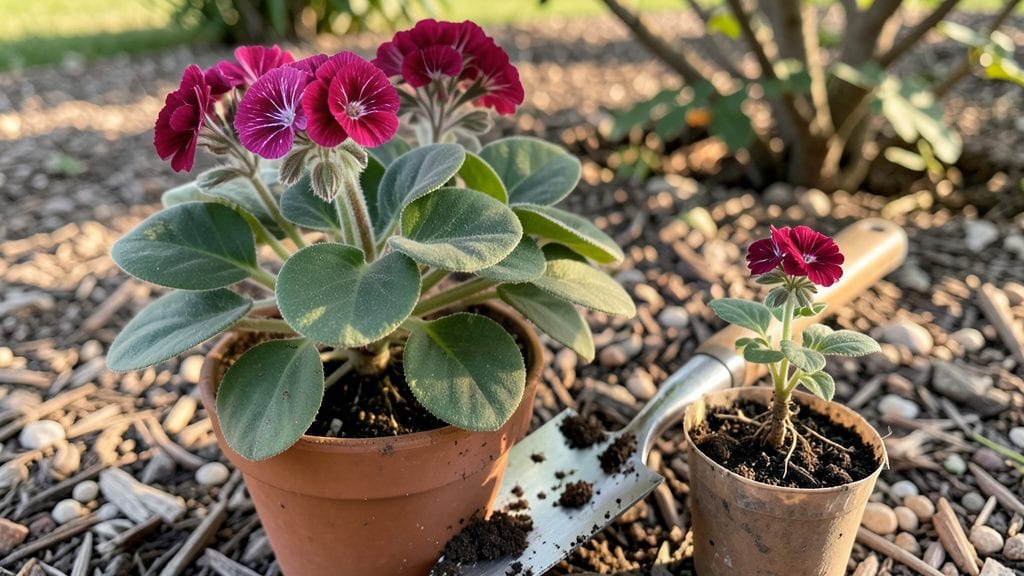
Planting seeds at the right depth is the difference between a thriving garden and a wasted packet.
Struggling with seeds that refuse to sprout? The secret to faster germination often lies in how deep you plant them—too shallow or too deep, and you’re sabotaging your garden before it even starts. 🌱
Most gardeners guess, but the truth is simple: tiny seeds need barely any soil cover, while large ones thrive buried deeper. A quick rule of thumb—plant seeds at a depth equal to 2-3 times their width—can cut your germination time in half.
Below, I’ll break down the exact measurements for common seeds, how to adjust for your soil type, and the costly mistakes even experienced growers make. No more wasted seeds or weak seedlings!


Optimal seed planting depths by seed type (inches for success)
Getting the depth of planting right is like hitting a sweet spot—too shallow and your seeds bake in the sun, too deep and they suffocate waiting for light. The key lies in understanding how much moisture and air each seed needs to germinate.
Tiny seeds like lettuce need barely any soil cover, while large seeds like beans thrive buried deeper. Let’s break down the science and give you exact measurements for common seeds.
The general rule is to plant seeds at a depth equal to 2-3 times their width. This ensures they have enough moisture to sprout but aren’t buried so deep they struggle to reach the surface.
For example, a marigold seed, which is about 1/8 inch wide, should go in 1/4 inch deep. But why does this work? Seeds need light to trigger germination in some cases, while others rely on darkness to sprout. Understanding these needs can double your germination rates!
Here’s where precision matters most: fine seeds like carrots or parsley often need barely a dusting of soil, while large seeds like squash or sunflower can handle deeper planting. The table below gives you exact inches for success with common garden seeds, plus tips to adjust for your soil type.
Pro tip: Use a seed depth gauge or even a toothpick to mark planting lines in your soil. This ensures consistency, especially when planting in rows. For organic matter-rich soils, you might plant slightly shallower since they retain moisture better.
Conversely, sandy soils may need a bit more depth to hold moisture longer.
Let’s dive into the specifics. The table below organizes seeds by type—tiny, medium, and large—and gives you the exact planting depth in inches for each. I’ve also included notes on whether the seed needs light to germinate or prefers darkness, which can change your approach entirely.
For delicate seeds like petunias or impatiens, you might even press them into the soil surface without covering. These seeds often need light to trigger germination, so burying them risks stunted growth.
On the flip side, large seeds like corn or peas can handle deeper planting because they’re packed with stored energy to fuel their early growth.
One common mistake? Assuming all seeds follow the same rules. Tomato seeds, for instance, need just 1/4 inch of soil, while onion seeds can go in 1/2 inch deep. The difference comes down to their size and how they store energy.
Always check the seed packet for guidelines, but use the table below as your go-to reference for exact planting depths.
Ready to put this into action? Grab your gardening gloves and a small trowel. The deeper you plant, the more energy the seedling needs to expend to reach the light.
For fast-growing plants like radishes, shallow planting means quicker harvests. For slow-growing perennials like lavender, deeper planting can help establish stronger roots before the first frost.
Finally, remember that soil temperature and moisture levels play a role too. Cooler soils may need slightly deeper planting to maintain consistent moisture, while warmer soils can handle shallower depths. Always water gently after planting to settle the soil and create good seed-to-earth contact.
Let’s get growing—your future garden starts with the right depth of planting!