Diseases
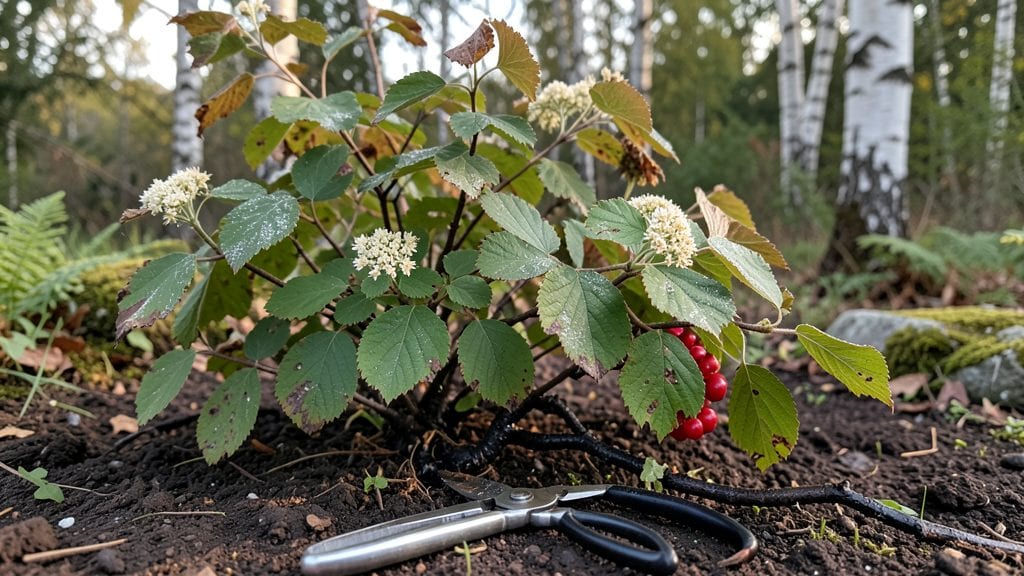
The diseases of viburnum plants can turn your lush shrubs into a sad, spotted mess if you don’t catch them early—until you learn to spot the warning signs before fungal infections and bacterial rot take hold. 🌿 I’ve seen perfectly healthy viburnums decline from these issues. spread.
The key is knowing what to look for, whether it's black leaf spots, powdery mildew, or that telltale ooze from bacterial cankers.
Most viburnum problems start with poor air circulation or wet foliage—things you can fix with pruning and spacing. I've treated everything from anthracnose to viburnum leaf blight using simple organic sprays and proper watering habits.
The good news? These shrubs are tough once you address the root causes, and prevention is easier than you think.
You'll learn to identify each disease by its unique symptoms—from yellowing leaves to stem lesions—and how to stop them before they ruin your plant. With the right approach, your viburnums can stay vibrant all season long. Let's get those shrubs back to their best.
This guide covers both chemical and organic solutions, so you can choose what works for your garden. Whether you're dealing with a new infection or just want to protect your plants, these strategies will keep your viburnums thriving year after year.
Root Causes Of Viburnum Ailments
Viburnum plants—with their glossy leaves and clusters of fragrant blooms—can fall victim to a range of diseases, often due to a mix of environmental stress, microbial invaders, and cultural mismanagement.
Understanding why these issues arise is the first step to prevention. Below, we break down the key culprits behind viburnum woes, from fungal feasts to bacterial betrayals.
Fungal pathogens like Botrytis (gray mold) and Septoria thrive in wet foliage, especially when water lingers on leaves or stems. Overhead irrigation or heavy rainfall creates the perfect humid microclimate for spores to germinate and infect.
- Why it matters: Viburnums hate soggy roots. Poor drainage forces roots to suffocate, weakening the plant’s defenses and making it easier for pathogens to invade through wounds or natural openings.
- Actionable fix: Water at the base of the plant (not overhead) and ensure soil has a sandy loam mix with at least 10% organic matter. Elevate containers or amend clay soil with perlite.
Diseases like Anthracnose and Powdery Mildew overwinter in fallen leaves, mulch, or old wood. When spring arrives, spores hitchhike on wind or splashing water to fresh viburnum tissue.
- Why it matters: Viburnums are slow to regrow in spring, leaving tender new growth vulnerable to dormant spores. Mulch that’s too thick (over 3 inches) traps moisture, accelerating spore germination.
- Actionable fix: Clean up! Remove and dispose of (not compost) fallen leaves and prune out dead branches in late winter before buds swell. Use sterilized tools to avoid spreading spores.
Viburnums are hardy, but extreme heat, frost, or sudden temperature drops shock the plant, lowering its resistance to pathogens like Phytophthora (root rot) or Viburnum Leaf Spot.
- Why it matters: Stress triggers ethylene gas production, which weakens cell walls—making it easier for bacteria or fungi to breach defenses. Young plants or those recovering from transplant shock are especially at risk.
- Actionable fix:
- Acclimate new plants gradually to outdoor conditions (hardening off).
- Mulch with 3 inches of shredded bark to insulate roots from temperature extremes.
- Avoid fertilizing during heatwaves—nitrogen burns can further stress the plant.
Sap-sucking insects like scale, aphids, or spider mites don’t just feed—they injure plant tissue, creating entry points for secondary infections like sooty mold (a fungal hitchhiker on honeydew).
- Why it matters: A single aphid infestation can reduce a viburnum’s photosynthetic capacity by 30% or more, starving it of the energy needed to fight disease.
- Actionable fix:
- Monitor undersides of leaves for sticky residue (honeydew) or white webbing (mites).
- Blast pests off with a strong stream of water or use neem oil (1% solution) every 7–10 days.
- Encourage ladybugs and lacewings—natural predators that devour aphids.
Dense plantings or viburnums grown too closely to other vegetation create a stagnant, humid environment, ideal for powdery mildew and rust fungi.
- Why it matters: Fungal spores need 90% humidity to infect—overcrowding traps moisture and blocks airflow, keeping conditions perfect for spread.
- Actionable fix:
- Space viburnums 3–6 feet apart (depending on variety).
- Prune to open the canopy, allowing sunlight and air to circulate.
- Avoid planting under dense trees where shade and debris accumulate.
Pro Tip: 💡 Most viburnum diseases start small. Catching signs early—like yellowing leaves, black spots, or powdery coatings—gives you the upper hand. Isolate new plants for 2–3 weeks to monitor for symptoms before introducing them to your garden.
Fixing Viburnum Ailments Fast
Viburnums are tough, but even the hardiest plants need a little TLC when diseases strike. Below are practical, step-by-step fixes for the most common fungal and bacterial foes, plus prevention tips to keep your shrubs thriving.
Think of this as your viburnum first-aid kit—ready to tackle problems before they spread.
1. Leaf Spot (Caused by Septoria or Cercospora)
🔥 Signs: Brown or black spots with yellow halos, often on older leaves.
✅ How to Fix It:
- 🍳 Prune & Clean: Remove infected leaves immediately (wear gloves!) and dispose of them in the trash—not the compost. Sterilize pruners with 70% rubbing alcohol or a 10% bleach solution (1 part bleach to 9 parts water) between cuts.
- 👨🍳 Fungicide Spray: Apply a copper-based fungicide (like Bordeaux mixture) or a neem oil solution (1 tbsp neem oil + 1 tsp mild soap per quart of water). Spray undersides of leaves (where spores hide!) every 7–10 days until new growth appears.
- 🌡️ Improve Airflow: Thin out dense foliage and space plants 3–5 feet apart to reduce humidity. Avoid overhead watering—water at the base in the early morning.
💡 Prevent It:
- ✨ Mulch properly: Use 2–3 inches of organic mulch (like wood chips) but keep it 6 inches away from the stem to prevent moisture buildup.
- 🎯 Rotate fungicides: If you use chemical sprays, alternate between copper, sulfur, and neem to avoid resistance.
2. Powdery Mildew (White, Fluffy Coating on Leaves)
🔥 Signs: White, powdery patches (like dust) on leaves, often in shaded or crowded areas.
✅ How to Fix It:
- 🍳 Baking Soda Spray: Mix 1 tsp baking soda + 1 tbsp horticultural oil + 1 tsp soap per gallon of water. Spray both sides of leaves weekly until mildew disappears.
- 👨🍳 Sulfur or Potassium Bicarbonate: For severe cases, use a sulfur fungicide (follow label rates) or a 1% potassium bicarbonate spray.
- 🌡️ Boost Sunlight: Prune nearby trees or structures to increase sunlight exposure—powdery mildew loves shade and dampness.
💡 Prevent It:
- ✨ Water wisely: Avoid evening watering—morning is best so leaves dry quickly.
- 🎯 Resistant varieties: Choose Viburnum burkwoodii or Viburnum trilobum (highbush cranberry), which are more mildew-resistant.
3. Root & Stem Rot (From Phytophthora or Overwatering)
🔥 Signs: Wilting, yellowing leaves, mushy stems, and roots that smell rotten.
✅ How to Fix It:
- 🔪 Emergency Pruning: Cut back all affected stems to healthy green tissue. Sterilize tools between cuts!
- 🌱 Replant in Dry Soil: Dig up the plant, trim rotten roots, and repot in fresh, well-draining soil (mix in perlite or sand). Choose a slightly raised bed if soil drains poorly.
- 💧 Adjust Watering: Let the top 1–2 inches of soil dry out between waterings. Use drip irrigation instead of sprinklers.
💡 Prevent It:
- 🌡️ Test your soil: Aim for pH 6.0–7.0 and good drainage. Amend clay soil with compost + sand.
- ✨ Avoid soggy spots: Plant viburnums on mounds or slopes to prevent water pooling.
4. Bacterial Leaf Scorch (Brown Edges, Crispy Leaves)
🔥 Signs: Leaf edges turn brown and crispy, starting at the tips. Often worse in hot, dry weather.
✅ How to Fix It:
- 🍳 Prune & Dispose: Remove severely scorched leaves and sterilize pruners. Do not compost infected plant debris.
- 👨🍳 Copper Spray: Apply a copper fungicide (like Copper Soap) every 2 weeks during dry spells.
- 💧 Deep Watering: Water deeply 2–3 times per week (1–1.5 inches) to encourage strong root growth.
💡 Prevent It:
- 🎯 Mulch heavily: Use 3–4 inches of mulch to retain moisture and cool roots.
- 🌡️ Choose drought-tolerant viburnums: Viburnum dentatum (arrowwood) handles heat better than some varieties.
5. Bacterial Canker (Sunken, Oozing Sores on Stems)
🔥 Signs: Sunken, dark lesions on stems that ooze brown gunk when wet.
✅ How to Fix It:
- 🔪 Radical Pruning: Cut out infected stems 6 inches below the canker. Burn or trash them—do not compost!
- 🌱 Wound Treatment: Paint pruning cuts with pruning sealant (like Tanglefoot Tree Wound Pruning Seal).
- 🍳 Hydrogen Peroxide Spray: Mix 1 tbsp 3% hydrogen peroxide per quart of water and spray every 10 days to slow bacterial spread.
💡 Prevent It:
- ✨ Sterilize tools: Clean pruners with rubbing alcohol before and after each cut.
- 🎯 Space plants: Ensure 3–4 feet between viburnums to improve airflow and reduce humidity.
- 🌡️ Monitor humidity: Use a hygrometer—keep it below 70% in growing areas.
- 🍳 Clean up fallen leaves: Rake and remove leaf litter in fall to eliminate fungal overwintering sites.
- 💪 Boost plant health: Feed with a balanced fertilizer (10-10-10) in early spring to strengthen defenses.
- 🎯 Rotate treatments: If using fungicides, switch types yearly to prevent resistance.
🚀 Pro Tip: Start treatments at the first sign of trouble—most viburnum diseases spread fast but are easier to beat early! With these fixes, your shrubs will bounce back stronger than ever**. 🌿💪
Frequently asked questions about viburnum plant diseases
What are the first signs my viburnum might have a fungal infection?
Look for yellowing leaves, dark spots with yellow halos, or a powdery white coating on foliage. These are classic indicators of leaf spot or powdery mildew—two of the most common viburnum diseases. Check the undersides of leaves too, as fungal spores often hide there. Early detection is key to stopping the spread!
Can I save a viburnum with bacterial canker?
Yes, but you must act fast! Prune out infected stems 6 inches below the canker and sterilize your tools between cuts. Apply a copper-based fungicide or hydrogen peroxide spray to slow bacterial spread. Severe cases may require removing the entire plant to prevent contamination of nearby shrubs.
Why does my viburnum get leaf spot every year?
Leaf spot thrives in wet, humid conditions and overwinters in fallen leaves or mulch. To break the cycle, remove and dispose of infected leaves (don’t compost them!), improve airflow by pruning, and water at the base instead of overhead. A copper fungicide spray in early spring can also help prevent recurrence.
Are chemical treatments necessary, or can I use organic solutions?
Organic options like neem oil, baking soda sprays, or copper fungicides work well for mild to moderate infections. For severe cases (like bacterial canker or root rot), chemical treatments may be needed. Always sterilize tools and rotate treatments to avoid resistance.
How do I prevent powdery mildew on my viburnum?
Powdery mildew loves shade and dampness, so ensure your viburnum gets at least 6 hours of sunlight daily. Space plants 3–5 feet apart for airflow, water in the morning (not evening), and avoid overhead irrigation. A baking soda spray (1 tsp baking soda + 1 tbsp oil + 1 tsp soap per gallon of water) can also help prevent outbreaks.