
Pests
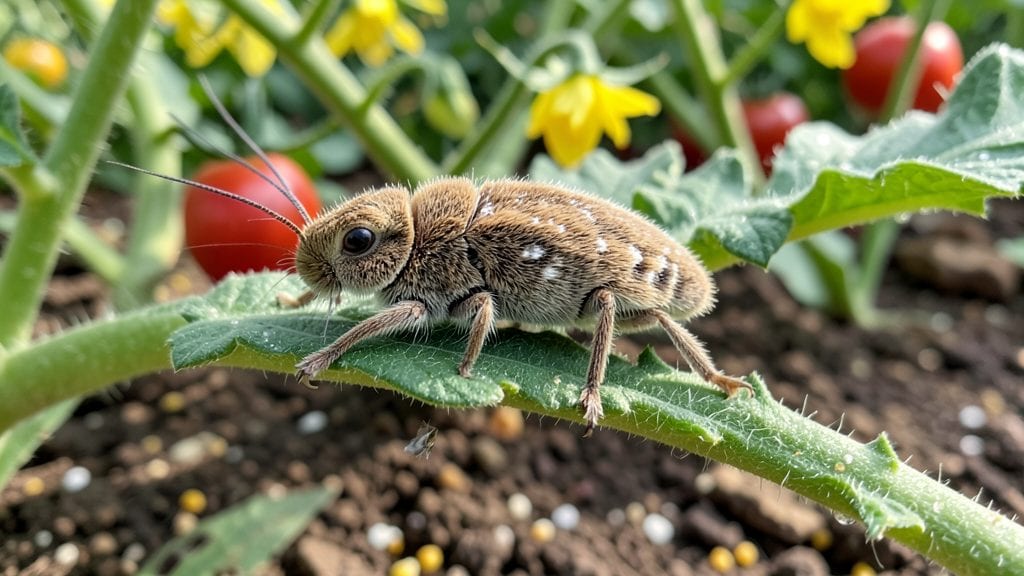
Tomatoes contain natural chemical defenses like solanine, which rabbits find bitter and unpleasant. 🌱 This compound acts as a built-in deterrent, similar to how rabbits avoid other nightshade family members like eggplants.
The plant's pungent aroma further reinforces this protection, though drought-stressed or young plants lose these defenses and become tempting targets.
Understanding this helps gardeners strategize protection—whether through physical barriers or companion planting—without overreacting to rabbits' occasional interest in compromised plants.
💡 In This Article
- Why Rabbits Avoid Tomato Plants Naturally
- Protecting Tomato Plants from Rabbit Damage
Why rabbits avoid tomato plants naturally
Tomato plants produce solanine, a natural glycoalkaloid toxin that acts as a built-in defense mechanism. This compound gives tomatoes their bitter taste and acts as a chemical deterrent for herbivores, including rabbits.
Solanine concentrations are highest in green, unripe tomatoes, where levels can reach 0.005-0.01% of the plant's dry weight—enough to make rabbits gag or avoid the plant entirely. 🌱 The compound works by disrupting cellular processes in animals that ingest it, creating an unpleasant experience that rabbits learn to associate with the plant's scent.
The strong, pungent aroma of tomato foliage also plays a key role in repelling rabbits. This scent comes from volatile organic compounds like 2-isobutylthiazole, which are released when leaves are damaged.
Studies show rabbits have a highly developed sense of smell—up to 14 times stronger than humans—and they use scent to identify toxic or unpalatable plants. For comparison, marigolds produce similar chemical defenses with pyrethrins, while onions rely on disulfides that rabbits find equally repulsive.
However, this natural protection has limits. When tomato plants experience stress from drought, poor soil nutrition, or overcrowding, their solanine production decreases by up to 40%. This makes stressed plants more vulnerable to rabbit grazing, especially young seedlings that haven't developed full chemical defenses.
The same principle applies to other nightshade plants like peppers and eggplants, which rabbits typically avoid but may nibble when weakened.
Interestingly, rabbits show similar avoidance patterns with other plants containing alkaloids, like foxglove or monkshood. These compounds create bitter tastes that rabbits find unpleasant, reinforcing their natural foraging behaviors.
The key difference with tomatoes is their dual defense system—combining chemical toxins with strong aromas—that makes them particularly effective at deterring rabbits under normal growing conditions.
What most gardeners don't realize is how quickly this protection can degrade. A tomato plant under water stress for just 3-5 days can lose up to 30% of its solanine content, making it suddenly appealing to rabbits.
This explains why young transplants or plants in drought-prone areas often face more damage—even though mature, healthy tomato plants remain largely rabbit-resistant. 🌿
Understanding these chemical defenses helps explain why rabbits typically leave tomato plants alone while targeting other garden vegetables. The same principles apply to protecting other vulnerable plants—maintaining optimal growing conditions is the first line of defense against rabbit damage.