
Companion Plants
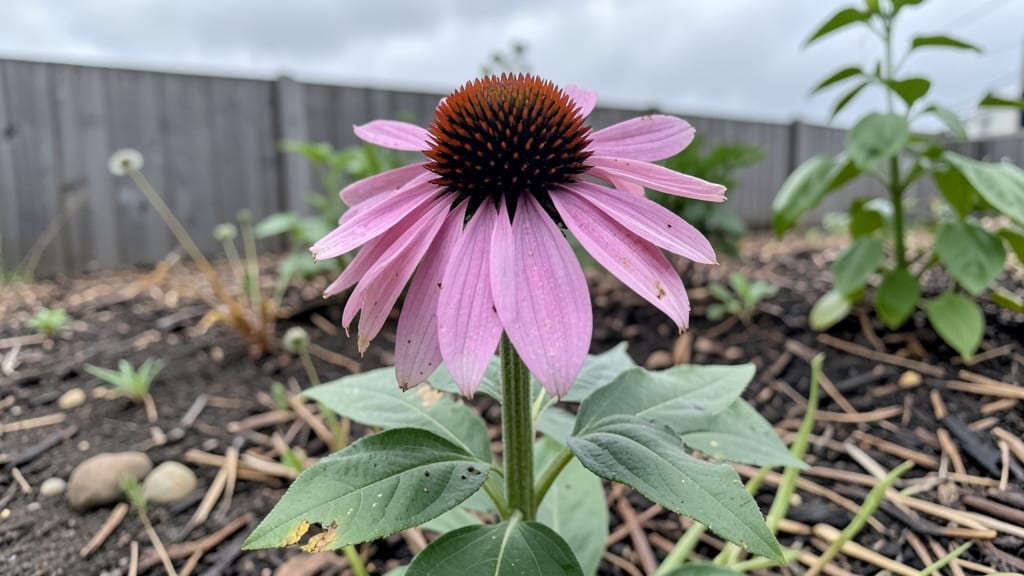
Double coneflower plants transform your garden into a buzzing pollinator paradise with their bold, layered blooms. 🌼 I’ve grown them for years, and these double varieties—with their extra-petaled centers—stand out like neon signs for bees and butterflies.
The secret to their success isn’t complicated: they thrive in full sun with well-draining soil, and once established, they’re nearly impossible to kill.
Start with healthy plants or seeds in early spring, spacing them 18–24 inches apart to give roots room to spread. Double coneflowers love 6–8 hours of sunlight daily and tolerate dry spells once their roots take hold.
Water deeply after planting, then let nature do the work—overwatering is their only real enemy. The payoff? Stunning pink, purple, or white blooms from mid-summer through fall, cutting back dead stems in late winter keeps them coming back stronger.
These plants are winter-hardy in zones 3–9, so they’ll return year after year with minimal fuss. Prune back faded blooms in early fall to encourage new growth, and watch as your garden becomes a magnet for hummingbirds and bees.
The double blooms also make long-lasting cut flowers, adding beauty to your home long after they’re picked.
Perfect for borders, meadow-style gardens, or even containers with enough space. Here’s how to keep them thriving—and why they’re worth every inch of garden real estate.
📚 In This Guide
- What you need
- Instructions
- Tips and common mistakes
- Wrapping up and next steps
What you need
- ● Double coneflower seeds or nursery-grown plants: Seeds: 10–20 seeds per plant (or 1 packet for a small garden patch)
- ● Transplants: 3–5 plants (spaced 12–18 inches apart)
- ● Well-draining potting mix or garden soil: 1–2 cubic yards (for in-ground planting) or 5–10 gallons (for containers)
- ● Compost or organic fertilizer: 1–2 cups per plant (balanced 10-10-10 or slow-release formula)
- ● Watering can or hose with a gentle spray nozzle
- ● Garden trowel or transplanting spade
- ○ Mulch (optional but recommended): 2–3 inches of shredded bark or straw to retain moisture
- ● Pruning shears (for deadheading or shaping)
- ● Garden gloves (to protect hands from thorns)
- ● Stakes or cages (if plants flop in windy areas)
- ● Slow-release fertilizer tablets (for container gardening)
- ● Pebbles or drainage holes (if using pots)
Step-by-Step guide to planting and cultivating double coneflower plants
Here’s how to establish these pollinator powerhouses for vibrant blooms all season.
🌱 Step 1: Select the Perfect Planting Site
Double coneflowers thrive in full sun—at least 6-8 hours of direct sunlight daily. I always choose a spot with well-draining soil, as these plants despise soggy roots. If your soil is heavy clay, mix in 2-3 inches of compost to improve aeration. The reason for this is simple: coneflowers develop root rot quickly in waterlogged conditions, and you’ll see wilting or yellowing leaves as the first warning sign.
Test your soil’s drainage by digging a 6-inch hole, filling it with water, and timing how long it takes to drain. If it takes longer than 2 hours, amend the soil with sand or perlite before planting. I like to mark the site with a stake so I don’t accidentally disturb it later during maintenance.
🌿 Step 2: Prepare the Soil and Plant with Care
Loosen the soil to a depth of 12 inches using a garden fork or tiller. This encourages root penetration and reduces transplant shock. Double coneflowers prefer slightly alkaline soil (pH 6.5-7.5), so if your soil is acidic, add 1-2 pounds of agricultural lime per 100 square feet a few weeks before planting.
Dig holes twice as wide as the root ball but only as deep as the container’s height. Gently remove the plant from its container and tease the roots outward if they’re circling. Place the plant in the hole, ensuring the top of the root ball sits flush with the soil surface. Backfill with native soil, pressing lightly to eliminate air pockets. Water deeply to settle the soil around the roots.
💧 Step 3: Water and Mulch for Strong Establishment
After planting, water the area to a depth of 6 inches—this ensures the roots make contact with moisture throughout the soil profile. Double coneflowers are drought-tolerant once established, but they need consistent moisture for the first 4-6 weeks to encourage robust root growth. You’ll know you’ve watered enough when the soil feels damp 2 inches below the surface.
Apply a 2-3 inch layer of organic mulch (like shredded bark or straw) around each plant, keeping it 2 inches away from the stem to prevent rot. This mulch layer retains moisture, regulates soil temperature, and suppresses weeds. Replenish the mulch as it breaks down, typically once or twice during the growing season.
☀️ Step 4: Maintain for Season-Long Blooms
Fertilize lightly in early spring with a balanced, slow-release fertilizer (10-10-10) at a rate of 1 pound per 100 square feet. Double coneflowers don’t need heavy feeding—they’re tough plants that thrive in lean soil. Over-fertilizing leads to excessive foliage at the expense of blooms, and you’ll end up with fewer of those iconic purple daisy-like flowers.
Deadhead spent blooms in early fall to encourage a second flush of flowers. Cut back the entire plant in late fall or early winter to 6 inches above the ground. This pruning stimulates fresh growth in spring and prevents the plant from becoming leggy. I always use clean, sharp pruners to avoid tearing the stems, which can introduce disease.
⏰ Step 5: Overwintering for Next Year’s Blooms
Double coneflowers are perennial, meaning they’ll return year after year with proper care. In USDA Zones 3-8, they handle winter well, but in colder climates, a 3-4 inch layer of mulch protects the crown from freeze-thaw cycles. Remove the mulch in early spring once new growth appears—this prevents rot and allows the soil to warm up.
Watch for powdery mildew in humid climates, which appears as a white, powdery coating on leaves. Improve airflow by spacing plants 18-24 inches apart and avoid overhead watering. If mildew appears, treat with neem oil according to package instructions. With these steps, your double coneflowers will reward you with vibrant blooms from midsummer through fall, attracting bees, butterflies, and hummingbirds all season long.
Tips & tricks for perfect double coneflower cultivation
These proven strategies will help you cultivate thriving double coneflowers that attract pollinators all season long.
Sunlight Secret: While Step 1 emphasizes the 6-8 hours of direct sunlight, I've found that morning sun with afternoon shade works best in extremely hot climates. The plants need that intense morning light to establish strong stems, but afternoon shade prevents wilting during peak heat—especially in Zone 8 where temperatures can exceed 95°F. Watch for leaves that curl or yellow during summer afternoons as your cue to provide some shade.
Soil Preparation Insight: The 12-inch soil loosening in Step 2 is critical, but I recommend adding a handful of mycorrhizal fungi granules to the planting hole. These beneficial fungi form symbiotic relationships with plant roots, enhancing nutrient and water uptake. You'll notice more vigorous growth and better drought tolerance once established. This is particularly valuable if your soil has poor organic matter content.
Watering Wisdom: During the first 4-6 weeks, I've learned that watering in the early morning is essential. This timing prevents fungal diseases that thrive in damp foliage overnight. Use a rain gauge to track your watering—double coneflowers typically need about 1 inch of water per week during establishment. The damp 2-inch soil check mentioned in Step 3 is perfect, but remember that sandy soils may require more frequent watering while clay soils hold moisture longer.
Mulching Mastery: That 2-3 inch mulch layer in Step 3 serves multiple purposes beyond moisture retention. I've found that using straw mulch actually improves soil structure over time as it breaks down. What's often overlooked is that mulch also helps regulate soil temperature during our hot summers and cold winters. In particularly cold winters (Zone 3), I increase the mulch to 4 inches to protect the crown from freeze-thaw cycles that can damage emerging shoots in spring.
Pro Tips for Double Coneflower Plants
- These proven strategies will help you cultivate thriving double coneflowers that attract pollinators all season long.
- Sunlight Secret: While Step 1 emphasizes the 6-8 hours of direct sunlight, I've found that morning sun with afternoon shade works best in extremely hot climates.
- Soil Preparation Insight: The 12-inch soil loosening in Step 2 is critical, but I recommend adding a handful of mycorrhizal fungi granules to the planting hole.
Frequently asked questions
Got questions about growing double coneflower plants? You’re not alone! Here are answers to the most common curiosities—from planting to pests—so you can keep your garden buzzing with these stunning blooms.
When is the best time to plant double coneflowers?
Plant double coneflowers in early spring (after the last frost) or early fall for the best results. They thrive in well-draining soil and prefer full sun (6+ hours daily). If planting in summer, water deeply and mulch to retain moisture—these beauties are tough but appreciate a little TLC during heatwaves!
Are double coneflowers as good for pollinators as the single-petal variety?
While double coneflowers have fewer pollen-rich florets than single-petal types, they still attract butterflies, bees, and hummingbirds! The dense petals create landing platforms, and the nectar remains accessible. For maximum pollinator appeal, plant them alongside single-petal varieties or other native flowers like black-eyed Susans or bee balm.
How long do double coneflowers bloom, and can I extend the season?
Double coneflowers typically bloom from mid-summer to early fall, but deadheading spent blooms (removing faded flowers) encourages more flowers. For a longer show, plant in stages—install a few every 2–3 weeks. They’re also perennial, so they’ll return year after year with minimal effort!
What pests or diseases should I watch for with double coneflowers?
These plants are disease-resistant, but watch for aphids (tiny green bugs) or Japanese beetles (chewing on petals). Blast pests off with water or use neem oil. For fungal issues (rare), ensure good airflow and avoid overhead watering. Overcrowding can stress plants, so space them 12–18 inches apart.
Can I grow double coneflowers in containers?
Double coneflowers adapt well to large containers (12+ inches deep) with quality potting mix. Choose a pot with drainage holes and place it in full sun. They’re drought-tolerant once established, but container plants may need weekly watering in hot weather. Pair them with other pollinator-friendly companions like lavender or sedum for a mini ecosystem!
Wrapping up and next steps
Double coneflowers are a low-maintenance, high-reward addition to any garden, offering stunning blooms, pollinator support, and year-round beauty. Whether you’re a beginner or seasoned gardener, their resilience and adaptability make them a perfect choice for sunny spaces. 🌻
Ready to transform your garden? Start by selecting your favorite variety, prepping the soil, and planting this season—your bees, butterflies, and future self will thank you!