
Companion Plants
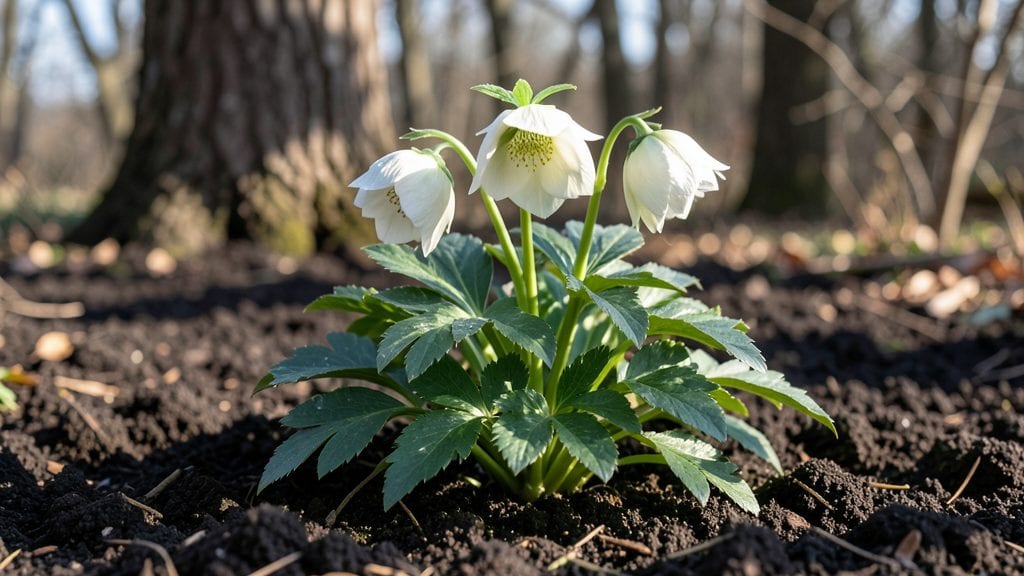
Double hellebore plants bring winter color when most gardens are asleep. 🌿 I fell in love with their velvety blooms after my first year growing them—they pushed through snow to reveal those lush, double-layered flowers in February.
The secret lies in their shade tolerance and cold hardiness, but even experienced gardeners often miss the nuances that make them truly thrive.
You’ll need rich, well-draining soil mixed with compost and a spot that gets dappled shade to full shade. Most varieties handle cold down to zone 3, but the double-flowered types (like ‘Double Pink’ or ‘Double White’) need slightly more consistent moisture to keep their petals plump.
Plant them in fall or early spring for the best root establishment—my plants that went in October are always the first to bloom.
Once established, they’re nearly foolproof: water only when the soil feels dry an inch down, and fertilize lightly in early spring with a balanced formula. The real magic happens when you let the foliage stay through summer—it feeds the roots for next year’s blooms.
Prune only dead leaves in late winter, and watch as those double flowers emerge earlier and more abundantly each season.
Here’s the twist: double hellebores multiply underground, so you’ll eventually have more plants than you started with. Share the extras with friends or thin them out—just don’t dig up the whole clump unless you’re dividing.
They’re the ultimate low-maintenance star for shady spots, and once you grow them, you’ll never want to go back to single-flowered varieties.
📚 In This Guide
- What you need
- Instructions
- Tips and common mistakes
- Wrapping up and next steps
What you need
- ● Double hellebore plants: 3–5 mature plants (choose from varieties like Helleborus niger ‘Double White’ or Helleborus x hybridus ‘Double Pink’).
- ● Well-draining potting mix: 5–10 gallons (use a blend of peat moss, perlite, and compost for optimal drainage).
- ● Container or garden bed: Containers: 12–18-inch pots with drainage holes (1–2 plants per container).
- ● Garden beds: Partially shaded area with loose, fertile soil (amend with compost if needed).
- ● Organic mulch: 2–3 inches (shredded bark or leaf mold to retain moisture).
- ● Garden trowel or transplant spade (for planting).
- ● Watering can or hose with a gentle spray nozzle (to avoid disturbing soil).
- ● Garden gloves (to protect hands from prickly stems).
- ○ Fertilizer (optional): Slow-release organic fertilizer (e.g., 10-10-10) applied in early spring.
- ○ Plant support (optional): Small stakes or rings for tall varieties to prevent flopping.
Step-by-step guide to planting and caring for double hellebore
Here's how I grow these stunning shade-lovers—minimal fuss, maximum beauty.
🌱 Step 1: Choose the Perfect Planting Location
Double hellebores thrive in partial to full shade, so pick a spot that gets 2-4 hours of morning sun at most. I always check the area's light conditions for a full day before planting—hellebores wilt in hot afternoon sun. Look for spots with dappled shade under trees or along north-facing walls.
Test the soil by digging a small hole and feeling its texture. Hellebores prefer well-draining soil that's slightly acidic to neutral (pH 6.0-7.0). If your soil feels heavy or compacted, mix in 2-3 inches of compost to improve drainage and fertility. Avoid soggy spots—hellebores hate wet feet.
🪴 Step 2: Prepare the Planting Hole and Plant Correctly
Dig a hole twice as wide as the hellebore's root ball but only as deep as the container it came in. This prevents burying the crown too deeply, which can cause rot. Gently loosen the roots if they're circling tightly in the pot—hellebores resent being root-bound.
Place the plant in the hole so the top of the root ball sits just below soil level. Fill around it with the amended soil, pressing lightly to remove air pockets. Water deeply right after planting to help the roots settle. You'll know it's done right when the soil looks evenly moist but not muddy.
💧 Step 3: Water and Mulch for Long-Term Health
Water your hellebores once a week for the first 4-6 weeks to help them establish roots. After that, they're quite drought-tolerant, but I still check the soil—water when the top 1-2 inches feel dry. Avoid overhead watering, which can cause leaf spots; water at the base instead.
Spread 2-3 inches of mulch (like shredded bark or leaves) around the base, keeping it 2 inches away from the stem. This protects roots from temperature swings and retains moisture. I always refresh the mulch in early spring to keep weeds at bay—hellebores hate competition.
✂️ Step 4: Prune and Maintain for Seasonal Beauty
Deadhead spent blooms in late spring by snipping the flower stems at the base. This encourages new foliage and keeps the plant tidy. I also remove any yellow or damaged leaves as they appear—hellebores bounce back quickly, and clean foliage looks stunning.
In early spring, fertilize lightly with a balanced, slow-release fertilizer (like 10-10-10) to support new growth. Skip heavy feeding—hellebores prefer lean soil. Watch for slugs in damp weather; a few beer traps or diatomaceous earth around the base keeps them away without harming the plants.
☀️ Step 5: Enjoy Year-Round Interest
Hellebores reward patience with early spring blooms (often before snow melts) and evergreen foliage that stays attractive all winter. I love how they brighten shady corners—just step back occasionally to admire their ruffled, nodding flowers in shades of white, pink, or purple.
After 3-4 years, you can divide clumps in early spring if they get overcrowded. Dig up the plant, separate the roots gently, and replant the strongest sections. This keeps your hellebores vigorous and flowering beautifully for decades.
Tips & tricks for perfect double hellebore planting
These simple tricks will help your hellebores thrive for decades with minimal effort.
Location Scout Like a Pro: I always scout locations for at least a full day before planting. Watch how sunlight moves through the area—hellebores can handle morning sun but will scorch in hot afternoon rays. North-facing walls or the east side of trees create ideal dappled shade conditions. Trust me, this one check saves you from wilting plants later!
Soil Test Secret: If your soil feels heavy or compacted, mix in 2-3 inches of compost before planting to improve drainage. I test soil pH with a simple kit—hellebores prefer 6.0-7.0. For heavy clay soils, consider planting in raised beds with amended soil to prevent soggy roots.
Planting Depth Matters: Never bury the crown deeper than the container level—the top of the root ball should sit just below soil level. I use a small stake to mark the original soil line on the container before planting. This prevents rot while ensuring proper root establishment.
Mulch Maintenance: Refresh your 2-3 inch mulch layer every spring to prevent weeds and retain moisture. Keep mulch 2 inches away from stems to avoid rot. I use shredded bark because it breaks down slowly and improves soil structure over time.
Pro Tips for Double Hellebore Plants
- These simple tricks will help your hellebores thrive for decades with minimal effort.
- Location Scout Like a Pro: I always scout locations for at least a full day before planting.
- Soil Test Secret: If your soil feels heavy or compacted, mix in 2-3 inches of compost before planting to improve drainage.
Frequently asked questions
Got questions about double hellebore plants? You’re not alone!
Here are answers to the most common queries from gardeners looking to add these stunning, shade-loving perennials to their landscapes.
Are double hellebores easy to grow for beginners?
Double hellebores are fantastic for beginners—they’re low-maintenance, drought-tolerant once established, and thrive in partial to full shade. Just plant them in well-draining soil, water moderately, and avoid over-fertilizing. Their hardy nature means fewer headaches and more blooms!
When is the best time to plant double hellebores?
Fall is the ideal time (September–November) to plant them, as cooler temps encourage root growth before winter. You can also plant in early spring (March–April), but avoid extreme heat or frost. If transplanting established plants, do it in early spring to minimize stress.
Can double hellebores survive in deep shade?
Yes! These plants are shade champions and will flourish under trees or in north-facing gardens with 4+ hours of indirect light daily. However, they’ll produce more blooms with a little dappled sunlight. Avoid full, dense shade (like under thick evergreens) for best results.
What pests or diseases should I watch for with double hellebores?
Double hellebores are pest-resistant, but watch for slugs/snails (they love the tender foliage) and leaf spot in humid climates. Improve airflow, water at the base, and use organic slug bait if needed. No major diseases affect them—just keep soil moist but not soggy!
How do I encourage bigger, more vibrant blooms?
For showstopping flowers, feed lightly in early spring with a balanced, slow-release fertilizer (like 10-10-10). Deadhead spent blooms to redirect energy, and mulch with compost to retain moisture. Bonus: Plant near fertilizers like ferns or astilbes—they’ll thrive together!
Wrapping up and next steps
Double hellebore plants are a gardener’s dream—elegant, low-maintenance, and thriving in shade where many perennials struggle. Their year-round beauty, from early blooms to lush foliage, makes them a standout addition to any garden.
Whether you’re a seasoned green thumb or a beginner, these shade-loving stars are ready to elevate your outdoor space with minimal effort.
Ready to transform your garden? Start small—plant a few double hellebores today and watch them reward you with color and resilience for years to come! 🌿✨