
Companion Plants
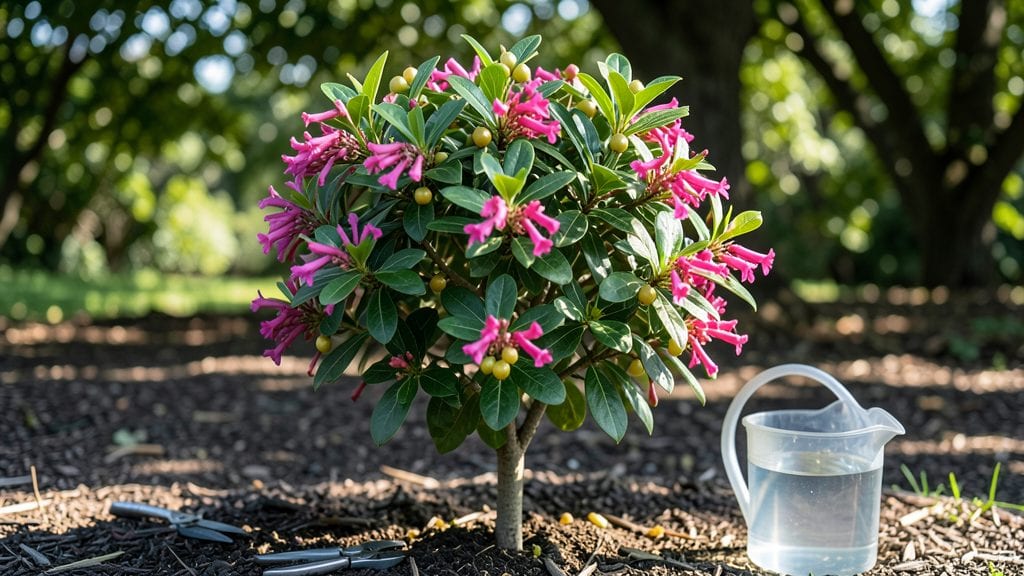
Transforming your yard with duranta standard plants starts with a single, bold statement: these shrubs deliver year-round color while demanding almost no attention. 🌿 I’ve grown them for five years, and they’ve never failed to impress—whether it’s the summer’s lavender-blue blooms or the glossy green foliage that stays vibrant through winter.
The secret to their easy-care nature is simple: they thrive in full sun to partial shade, tolerate poor soil, and only need watering when the top inch dries out. Pruning in late winter shapes them into perfect standards, and a light trim after blooming keeps them compact.
Most gardeners overlook how adaptable they are—drought-tolerant once established, and resistant to pests that plague other shrubs.
You’ll end up with a living centerpiece that outshines seasonal flowers. The clusters of blooms attract hummingbirds all summer, and the glossy leaves add texture to any landscape. Even in urban areas with hot summers, they handle the heat better than most shrubs.
The best part? They grow fast—expect 3-4 feet tall in just a year with proper care.
Perfect for borders, foundation plantings, or as standalone statement plants. Here’s how to get started without the guesswork—because these shrubs deserve to be easy, not complicated.
📚 In This Guide
- What you need
- Instructions
- Tips and common mistakes
- Wrapping up and next steps
What you need
- ● Duranta standard plant: 1 healthy nursery-grown specimen (3–6 feet tall, preferably in a 1–2 gallon container).
- ● Well-draining potting mix: 1 bag (10–15 lbs) of high-quality cactus/succulent mix or standard potting soil amended with 20% perlite or sand to prevent root rot.
- ● Container: A 5–7 gallon pot with drainage holes (terracotta or fiberglass recommended for heat retention).
- ● Fertilizer: Balanced 10-10-10 fertilizer (1 lb) for initial feeding.
- ○ Slow-release osmocote (3–4 month) or fish emulsion (optional, for organic gardeners).
- ● Pruning tools: Bypass pruners (for clean cuts).
- ● Sterilizing alcohol wipes (to prevent disease).
- ● Gloves: 1 pair of gardening gloves (nitrile-coated for durability).
- ● Mulch: 2–3 inches of pine bark or gravel (helps retain moisture and regulate soil temp).
- ● Support stake: 1 6-foot bamboo or metal stake (if training as a standard).
- ● Watering can or hose: With a gentle spray nozzle (durantas hate soggy roots!).
- ○ Soil pH test kit: Optional but helpful—durantas thrive in slightly acidic to neutral soil (6.0–7.0 pH).
- ● Insecticidal soap: 1 bottle (for aphids or spider mites, common pests).
Step-by-Step instructions for growing duranta standard plants
Transform your landscape with these striking, low-maintenance shrubs that burst with color year after year.
🌱 Step 1: Select the Perfect Planting Location
Duranta thrives in full sun to partial shade, making it incredibly versatile for most climates. Choose a spot with at least 6 hours of direct sunlight daily—this ensures those vibrant blooms you’ve been dreaming of. If your area gets intense afternoon heat, opt for morning sun with afternoon shade to prevent leaf scorch.
Here’s the thing—duranta’s roots spread aggressively, so plant it at least 3-5 feet away from sidewalks, driveways, or other structures. You’ll want room for its mature width of 8-10 feet, so space multiple plants 10-15 feet apart if you’re creating a hedge or screen. Well-draining soil is a must; if your yard has heavy clay, amend with compost or organic matter to improve aeration.
🪴 Step 2: Prepare the Soil and Plant Your Duranta
Dig a hole twice as wide and just as deep as the plant’s root ball. This gives the roots plenty of room to establish without crowding. Gently loosen the roots if they’re circling or bound, and tease them out to encourage outward growth. Duranta prefers slightly acidic to neutral soil, so if your soil is alkaline, mix in peat moss or sulfur to adjust the pH.
Place the plant in the hole, ensuring the top of the root ball sits level with the surrounding soil. Backfill with native soil, pressing gently to remove air pockets. Water deeply right after planting to settle the soil and eliminate gaps. Mulch around the base with 2-3 inches of organic mulch, keeping it 3 inches away from the trunk to prevent rot. This retains moisture and regulates soil temperature—critical for young plants.
☀️ Step 3: Water and Fertilize for Lush Growth
Duranta is drought-tolerant once established, but young plants need consistent moisture. Water deeply once a week during the first growing season, ensuring the soil is moist 6 inches down. You’ll know it’s time to water again when the top 2 inches of soil feel dry. Overwatering is a common mistake—duranta hates soggy roots, so always check moisture levels before watering.
Feed your duranta in early spring with a balanced, slow-release fertilizer (10-10-10 or similar). This jumpstarts growth and encourages those stunning blooms. Skip fertilizing in late summer or fall, as new growth won’t harden off before winter. Prune back any dead or leggy branches in late winter or early spring before new growth begins. This keeps the plant compact and encourages a fuller shape.
✂️ Step 4: Prune and Shape for Year-Round Beauty
Pruning duranta isn’t just about shaping—it’s about maintaining its health and vigor. The best time to prune is in late winter or early spring, right before new growth emerges. Cut back any dead, diseased, or crossing branches first. Then, trim the overall shape by removing up to one-third of the plant’s height if needed. This prevents overgrowth and keeps the plant manageable.
For standard duranta, focus on training a single, strong trunk. Remove any competing stems at the base to encourage a single leader. You’ll see new shoots emerge from the sides—these are perfect for shaping the canopy. Use sharp pruners to make clean cuts just above a leaf node or bud. Avoid heavy pruning in fall, as it can stimulate tender growth that won’t survive winter.
🌿 Step 5: Protect and Maintain Through Seasons
Duranta is remarkably hardy, but a little extra care in winter can make all the difference. In colder climates (below 10°F), wrap the base of young plants with burlap or frost cloth to protect against freezing temperatures. Mature plants usually handle winter just fine, but a thick layer of mulch helps insulate roots. In spring, remove any winter protection once new growth appears.
Watch for pests like aphids or scale, which occasionally target duranta. If you spot them, treat with neem oil or insecticidal soap—these are safe, effective, and won’t harm beneficial insects. Duranta is generally pest-resistant, but keeping an eye out early prevents infestations. With minimal care, your duranta will reward you with year-round interest, from glossy foliage to clusters of fragrant blooms that birds and pollinators adore.
Tips & tricks for perfect duranta standard plants
These game-changing insights will help you cultivate show-stopping duranta shrubs that thrive with minimal fuss—because who doesn't want year-round color without the hassle?
Sunlight Strategy: Duranta's vibrant blooms demand that 6 hours of direct sunlight daily as mentioned in Step 1. Here's the thing: if your area gets intense afternoon heat, prioritize morning sun exposure. I've seen duranta plants in full afternoon sun develop leaf scorch within weeks—those crispy brown edges ruin the glossy foliage we all love. For hot climates, opt for dappled shade in the afternoon to maintain that lush, healthy appearance.
Root Ball Revelation: When planting, the key is creating that perfect hole—twice as wide and just as deep as the root ball. This isn't just about space; it's about encouraging outward root growth. I've learned the hard way that compacted roots struggle to establish. Gently tease out any circling roots before planting—this simple step can mean the difference between a thriving plant and one that struggles. And remember, duranta roots spread aggressively, so give them room to breathe!
Winter Protection Wisdom: In colder climates where temperatures drop below 10°F, young duranta plants need that extra protection. Wrapping the base with burlap or frost cloth creates a microclimate that prevents frost damage. I've seen mature plants survive winter just fine, but young specimens often suffer without this simple precaution. Don't wait until the first frost—prepare your protection materials before winter arrives to be ready at a moment's notice.
Pruning Precision: The late winter/early spring pruning window is critical for shaping your duranta standard. When removing up to one-third of the plant's height, focus on creating an open center that allows sunlight to penetrate. This isn't just about aesthetics—proper air circulation prevents fungal issues. For standard duranta, always remove competing stems at the base to maintain that single, strong trunk we're all after. And remember, clean cuts just above a leaf node encourage new growth in exactly the right places.
Pro Tips for Duranta Standard Plants
- These game-changing insights will help you cultivate show-stopping duranta shrubs that thrive with minimal fuss—because who doesn't want year-round color without the hassle?
- Sunlight Strategy: Duranta's vibrant blooms demand that 6 hours of direct sunlight daily as mentioned in Step 1.
- Root Ball Revelation: When planting, the key is creating that perfect hole—twice as wide and just as deep as the root ball.
Frequently asked questions
1. How often should I water my Duranta plant?
Water your Duranta when the top 1-2 inches of soil feel dry—usually every 5-7 days, depending on climate. In hotter months, it may need more frequent watering. Pro tip: Overwatering can cause root rot, so always ensure the pot has drainage holes!
2. Can Duranta survive in full shade?
While Duranta tolerates partial shade, it thrives best in full sun to partial shade (6+ hours of sunlight daily). In deep shade, blooms may reduce, and growth slows. If indoors, place it near a bright window or use grow lights for optimal health.
3. How and when should I prune my Duranta?
Prune after flowering (late summer/early fall) to shape the plant and encourage bushier growth. Use clean, sharp shears to trim back leggy stems by ⅓. Warning: Wear gloves—Duranta has small, thorny branches!
4. Are Duranta plants toxic to pets or humans?
Yes! All parts of Duranta (leaves, flowers, berries) are toxic if ingested, causing nausea, vomiting, or diarrhea in pets/humans. Keep it out of reach of curious kids and animals.
5. Why isn’t my Duranta blooming?
Lack of blooms often means insufficient sunlight, over-fertilizing, or improper pruning. Ensure it gets 6+ hours of sun, use a balanced fertilizer (spring/summer), and prune lightly to promote flowering. Patience helps—some varieties take 1-2 years to bloom fully!
Wrapping up and next steps
Transforming your outdoor space into a year-round bloom paradise with Duranta standard plants is simpler than you think! These resilient beauties thrive with minimal care, offering vibrant colors and effortless elegance. Whether you're a seasoned gardener or just starting, Duranta is your perfect companion for lush, low-maintenance greenery.
Ready to elevate your garden? 🌿 Start by selecting the right variety, preparing your space, and giving your Duranta the love it deserves. Grab your tools, follow the steps, and watch your outdoor oasis flourish!