
Companion Plants
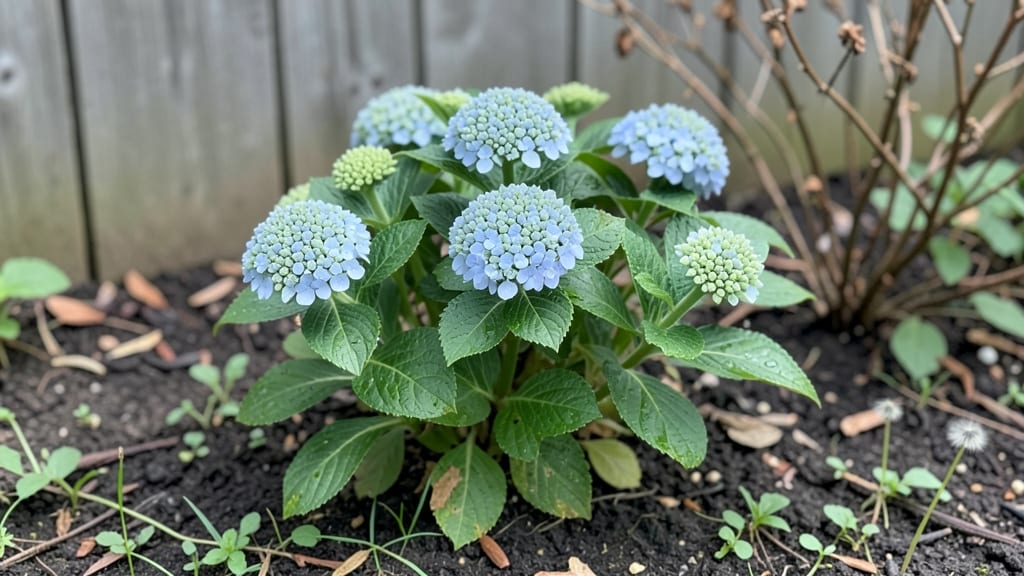
Dwarf hydrangeas bring lush, cloud-like blooms to shady spots where most plants struggle. I planted mine last spring in a spot with dappled morning light and afternoon shade—now they burst with color every summer without needing full sun.
The secret lies in their love for moisture-retentive soil and regular watering, which keeps those blooms vibrant even in hotter months.
You’ll need well-draining soil mixed with compost, a location with at least 4 hours of indirect light, and consistent moisture—these plants hate drying out. Pruning after blooming ensures next year’s flowers stay full and compact, and mulching helps retain moisture while keeping roots cool.
Most beginners overwater, so check soil moisture before watering again.
By midsummer, you’ll have clusters of blooms in shades of pink, blue, or white that last for weeks. The foliage stays glossy and healthy, and they rarely attract pests—just the right amount of fuss for a low-maintenance star.
With the right care, these hydrangeas will outperform bigger varieties in tight spaces.
Perfect for containers, borders, or even under trees where sunlight is limited. Once established, they thrive for years with minimal effort—ideal for busy gardeners who still want dramatic color. Here’s how to keep them happy season after season.
📚 In This Guide
- What you need
- Instructions
- Tips and common mistakes
- Wrapping up and next steps
What you need
- ● Dwarf hydrangea plants: 1–3 nursery-grown plants (preferred for faster blooms) OR
- ● Seeds or cuttings (if propagating from scratch—patience required!).
- ● Well-draining potting mix or garden soil: 5–10 gallons (for containers) or amended native soil (for in-ground planting). Pro tip: Mix in compost or peat moss for moisture retention!
- ● Organic mulch: 2–3 inches (e.g., shredded bark or pine straw) to conserve moisture and regulate soil temp.
- ● Slow-release fertilizer: 10-10-10 or acid-loving plant formula (follow package rates for dwarf varieties).
- ● Garden trowel or small shovel (for transplanting).
- ● Gloves (to protect hands from thorns or rough soil).
- ● Watering can or hose with a gentle spray nozzle (dwarf hydrangeas hate soggy roots!).
- ○ Container (optional): 1–2 gallon pots with drainage holes (if not planting in-ground).
- ● Pruning shears (for shaping or deadheading spent blooms).
- ● Soil pH test kit (dwarf hydrangeas thrive in acidic soil (pH 5.5–6.2)—adjust with sulfur if needed).
- ● Epsom salt (1 tbsp/month in water for magnesium boost and vibrant blooms!).
- ● Shade cloth (if your garden gets partial sun—provides filtered light for delicate leaves).
- ● Decorative rocks or pebbles (for a polished container garden look!).
Step-by-Step guide to planting and caring for dwarf hydrangeas
Here’s how to grow vibrant, compact hydrangeas that bring bold color to shady spots without taking over your garden.
Choose the Perfect Planting Location
Dwarf hydrangeas thrive in partial shade, which means 4-6 hours of morning sun and afternoon shade—especially in hotter climates. Look for a spot where the soil stays consistently moist but well-drained. I always test drainage by digging a hole and filling it with water; if it drains within an hour, the site is ideal. Avoid low-lying areas where water pools after rain.
If your yard has heavy clay soil, mix in 2-3 inches of compost (from the materials list) into the planting hole to improve drainage and nutrient retention. The roots of dwarf hydrangeas spread shallowly, so avoid areas with aggressive tree roots that could compete for water and nutrients.
Prepare the Soil and Plant with Care
Dig a hole twice as wide as the root ball but only as deep as the container the hydrangea came in. This prevents burying the stem too deeply, which can cause rot. Gently remove the plant from its container and loosen any circling roots with your fingers—this encourages outward growth instead of a tangled mess.
Place the hydrangea in the hole so the top of the root ball sits level with the surrounding soil. Backfill with the amended soil, pressing lightly to remove air pockets. Water deeply right after planting to settle the soil and eliminate gaps. You’ll see the soil surface sink slightly as it absorbs moisture—that’s your cue to add a little more soil if needed.
Mulch and Water for Healthy Establishment
Spread 2-3 inches of mulch (from the materials list) around the base of the plant, keeping it 3-4 inches away from the stem to prevent rot. Mulch helps retain moisture and regulates soil temperature, which is especially important in the first 4-6 weeks while roots establish. I use shredded bark mulch because it breaks down slowly and improves soil structure over time.
Water deeply once a week during the first growing season, aiming for 1-1.5 gallons per plant. The soil should be damp but not soggy—stick your finger 2 inches into the soil; if it feels dry, water again. Avoid wetting the leaves, as hydrangeas are prone to fungal issues like powdery mildew in humid conditions.
Prune and Fertilize for Long-Lasting Blooms
Prune dwarf hydrangeas right after flowering in late summer or early fall. Remove dead or weak stems at the base and trim back any leggy growth by one-third to encourage bushier growth. Avoid heavy pruning in spring, as this can reduce summer blooms. I always sterilize my pruners with rubbing alcohol between cuts to prevent spreading disease.
Feed your hydrangeas once in early spring with a balanced, slow-release fertilizer (like the one in your materials list). Follow the package instructions for application rates—over-fertilizing can lead to excessive leaf growth at the expense of flowers. After fertilizing, water deeply to help nutrients reach the roots. You’ll notice new growth within 2-3 weeks if the soil and conditions are right.
Monitor and Maintain Through the Seasons
Check your hydrangeas weekly for pests like aphids or spider mites, especially on the undersides of leaves. A strong spray of water usually dislodges them, but for stubborn infestations, use an insecticidal soap (from the materials list) as directed. Yellowing leaves often signal overwatering or poor drainage, while crispy edges mean the plant needs more moisture.
In winter, protect young plants with a light layer of mulch (2-3 inches) to insulate the roots from freezing temperatures. Mature dwarf hydrangeas are hardy in most climates, but a little extra protection in their first few winters ensures they return with vigor next spring. By next summer, you’ll have lush, compact blooms that last from early summer until frost.
Tips & tricks for perfect dwarf hydrangea planting and care
These practical tips will help you avoid common pitfalls and maximize the beauty of your compact hydrangeas from the very first planting.
Location is Everything: When selecting your spot, pay special attention to the morning sun angle. The 4-6 hours of morning sun should come from the east or southeast direction, not the harsh afternoon sun. I’ve found that planting near a north-facing wall or under deciduous trees works beautifully—you’ll get that perfect dappled light effect. Also, avoid areas where lawnmowers or foot traffic might disturb the shallow roots.
Root Care Matters: In Step 2, when loosening circling roots, be extra gentle with the root ball—these plants have delicate root systems. I’ve seen many gardeners accidentally damage roots by pulling too forcefully. After planting, create a small watering well around the base to direct water straight to the roots during those first critical weeks. This helps prevent water from running off and keeps the soil consistently moist.
Mulching Strategy: The 2-3 inches of mulch in Step 3 should be applied in a donut shape around the plant, not piled against the stem. I’ve learned this the hard way—piled mulch creates moisture pockets that lead to rot. Also, consider using a moisture meter to check soil dampness rather than relying on the finger test, especially in sandy soils where moisture drains quickly. This helps maintain that perfect damp-but-not-soggy balance.
Pruning Precision: When pruning in late summer, focus on removing stems that are brown at the base—they’re dead and won’t produce flowers. For leggy growth, trim back by one-third but always leave at least two sets of buds on each stem. I sterilize my pruners with rubbing alcohol between each cut to prevent disease spread, and I’ve noticed this makes a huge difference in plant health over time.
Pro Tips for Dwarf Hydrangea Plants
- These practical tips will help you avoid common pitfalls and maximize the beauty of your compact hydrangeas from the very first planting.
- Location is Everything: When selecting your spot, pay special attention to the morning sun angle.
- Root Care Matters: In Step 2, when loosening circling roots, be extra gentle with the root ball—these plants have delicate root systems.
Frequently asked questions
Got questions about dwarf hydrangeas? You’re not alone! Here are answers to the most common queries to help you grow these shade-loving stars with confidence.
Can dwarf hydrangeas grow in full shade?
Dwarf hydrangeas like Hydrangea microphylla or Hydrangea arborescens varieties (e.g., ‘Little Lime’) thrive in full to partial shade. Aim for at least 4–6 hours of indirect light daily—they’ll reward you with blooms even in shady spots. Just avoid deep, dark corners where they may struggle.
When is the best time to plant dwarf hydrangeas?
Plant them in early spring or early fall for ideal results. This gives roots time to establish before extreme heat or frost. If planting in summer, keep soil moist and mulch well to reduce stress. Pro tip: Water deeply after planting and avoid disturbing the root ball—it’s delicate!
Why aren’t my dwarf hydrangeas blooming?
Several factors could be at play:
- Insufficient light: Even dwarf types need some light to bloom. Try moving them to a brighter (but still shaded) spot.
- Over-fertilizing: Too much nitrogen = lush leaves, fewer flowers. Use a balanced, acid-loving fertilizer (like 10-10-10) in early spring.
- Pruning at the wrong time: Prune after blooming (late summer/fall) for next year’s flowers. Avoid cutting back in late winter—you’ll miss the season’s blooms!
What are some great dwarf hydrangea alternatives for small spaces?
If you love compact blooms but want variety, try these shade-tolerant pals:
Plant
Height
Bloom Color
Heuchera (Coral Bells)
12–18"
Purple, silver, or lime foliage (no flowers, but stunning year-round!)
Ajuga (Bugleweed)
6–12"
Blue/purple spikes in spring
Dwarf Fothergilla
2–3'
White bottlebrush blooms in spring
All three are low-maintenance and thrive in similar conditions to dwarf hydrangeas!
How do I prevent powdery mildew on my dwarf hydrangeas?
Powdery mildew loves humid, shaded spots—here’s how to fight back:
- Improve airflow: Space plants 12–18" apart and avoid overcrowding.
- Water wisely: Water at the base (not overhead) in the morning so foliage dries quickly.
- Clean up debris: Remove fallen leaves and spent blooms to reduce spores.
- Fungicide (last resort): Use a neem oil spray or baking soda mix (1 tsp baking soda + 1 quart water + a drop of dish soap) if mildew appears.
Resistant varieties like Hydrangea macrophylla ‘Endless Summer’ (dwarf forms) are also less prone to issues.
Wrapping up and next steps
Dwarf hydrangeas bring easy beauty and versatility to shade gardens, offering lush blooms in tight spaces without the fuss. Whether you’re a beginner or a seasoned gardener, these compact plants reward patience with stunning colors and minimal upkeep—perfect for containers, borders, or tucked into cozy corners. 🌿
Ready to transform your garden? Start small—pick a variety that suits your space, gather your tools, and dive in! With the right care, you’ll enjoy vibrant blooms year after year. Happy planting! 🌸