
Companion Plants
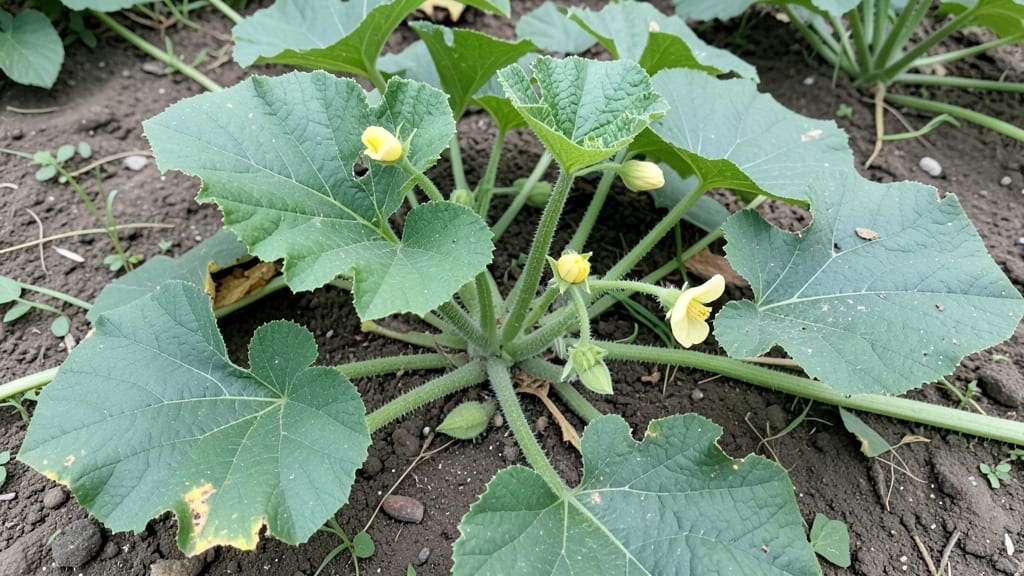
Starting early pumpkin plants means beating frost and pests to claim your first harvest before the season gets crowded. I learned the hard way that timing and companions matter—planting too late leaves you racing the fall, while the wrong neighbors attract squash bugs before your vines even take off.
The key is pairing pumpkins with the right allies: nasturtiums to lure pests away, marigolds to repel beetles, and basil to boost growth while keeping the air fresh.
For warm regions, sow seeds when soil hits 60°F—about 2-3 weeks before your last frost. In cooler climates, wait until after frost but use black plastic mulch to warm the soil faster. The goal is 60-90 days of growth before first frost, so check your variety’s days-to-maturity label.
I’ve seen ‘Jack Be Little’ produce 4-6 pound pumpkins in just 85 days when planted early with the right companions.
Your first harvest will be squash-like butterscotch orbs by midsummer if you time it right. The trick is consistent moisture—1-2 inches per week—and staking vines to prevent rot.
Watch for cucumber beetles; handpick them early, and your pumpkins will thrive without a fight. By late summer, you’ll have pest-free vines and the satisfaction of an early harvest.
This method works in containers or ground beds, from Zone 3 to Zone 10, with adjustments for heat or cold. The real secret? Start small—test a 3-foot patch before committing to a full row.
Next, we’ll dive into the exact companion pairings that keep pests at bay and your pumpkins flourishing.
📚 In This Guide
- What you need
- Instructions
- Tips and common mistakes
- Wrapping up and next steps
What you need
- ● Pumpkin seeds: Choose early-maturing varieties like ‘Jack Be Little’ or ‘Small Sugar’ (1–2 lbs per 100 sq ft).
- ● Compost or well-aged manure: 2–3 inches mixed into soil for nutrients (avoid fresh manure—it burns plants!).
- ● Organic mulch: Straw or shredded leaves (2–3 inches) to retain moisture and deter weeds.
- ● Companion plant seeds: Marigolds (1 oz per 100 sq ft), nasturtiums (1 oz per 100 sq ft), or basil (5–10 plants).
- ● Drip irrigation or soaker hose: 50–100 ft (adjust based on garden size) for consistent watering.
- ● Garden trowel or transplanting spade: For digging holes (6–8 inches deep) and spacing seeds.
- ● Garden gloves: Heavy-duty to protect hands while handling soil and plants.
- ● Measuring tape or ruler: To space seeds 2–3 feet apart (rows 5–6 feet apart).
- ○ Hand sprayer (optional): For organic pest control sprays like neem oil or garlic spray.
- ○ Trellis or stakes (optional):strong> For vining varieties to save space (3–4 ft tall).
- ● Full sun location: At least 6–8 hours of direct sunlight daily.
- ● Well-draining soil: pH 6.0–7.0 (test kit recommended).
- ● Warm soil temperature: Minimum 60°F (15°C) for germination (use a soil thermometer).
- ● Pest-free zone: Rotate crops if previous year had squash bugs or powdery mildew.
Step-by-step instructions for planting early pumpkin varieties with companion plants
Here’s how to establish a thriving early pumpkin patch using strategic plant pairings to deter pests naturally.
Select and Prepare the Planting Site
Choose a location that receives full sun—pumpkins need at least 8-10 hours of direct sunlight daily—and has well-draining soil with a pH between 6.0 and 6.8. Early varieties like ‘Jack Be Little’ or ‘Small Sugar’ thrive in warmer climates, so avoid planting until soil temperatures reach 60°F or higher, measured about 4 inches deep. Test your soil first; amend with 2-3 inches of compost if it’s heavy or clay-like, as pumpkins despise soggy roots.
Clear the area of weeds and loosen the soil to a depth of 12 inches using a broadfork or garden tiller. This prevents compaction and encourages root expansion. Space planting hills 6 feet apart to allow vines room to sprawl without crowding. Since pumpkins are heavy feeders, incorporate 1 cup of 10-10-10 fertilizer per hill into the soil at planting time. This ensures they have the nutrients needed for early fruit set.
Plant Early Pumpkin Seeds with Pest-Repelling Companions
Plant 3-4 seeds per hill, spacing them 12 inches apart in a small mound of soil. Cover seeds with 1 inch of soil—planting too deep slows germination, while shallow planting risks drying out. Early pumpkin seeds germinate best at 85-95°F, so consider using a seedling heat mat if your soil is still cool. Water gently after planting to settle the soil but avoid oversaturating, which can cause rot.
Interplant with nasturtiums (1 plant per hill) or marigolds (2-3 plants per hill) to deter squash bugs and cucumber beetles. Nasturtiums act as a trap crop, luring pests away from your pumpkins, while marigolds release a scent that repels aphids. Keep companion plants 6-12 inches away from pumpkin seedlings to avoid competition for nutrients. You’ll notice fewer pests and healthier foliage as the season progresses.
Maintain Moisture and Mulch for Early Growth
Water pumpkins deeply 1-2 times per week, ensuring 1 inch of water reaches the roots each time. Early in the season, focus on keeping the soil consistently moist—pumpkins are sensitive to drought stress, which stunts growth. Use a soaker hose or drip irrigation to deliver water at the base of the plant, avoiding wetting the leaves to prevent fungal diseases like powdery mildew.
Apply a 3-inch layer of straw mulch around each hill immediately after germination. Mulch conserves moisture, regulates soil temperature, and suppresses weeds, which compete for nutrients. Replenish mulch as it decomposes. You’ll see stronger vines and earlier flowering when the soil stays cool and hydrated. Avoid synthetic mulches—they can overheat the soil and stress young plants.
Train Vines and Monitor for Pests
Once vines reach 2-3 feet long, guide them along the ground using lightweight row covers or straw mulch mounds to prevent soil-borne diseases from splashing onto leaves. Early pumpkin varieties are less prone to mildew, but removing lower leaves that touch the soil reduces rot risk. Prune excess side shoots to direct energy toward 1-2 main vines per plant, ensuring larger fruit production.
Check plants weekly for pests, focusing on the undersides of leaves. Introduce beneficial insects like ladybugs or lacewings if you spot aphids or spider mites. Aphids cluster on new growth, while squash bugs lay eggs on the undersides of leaves—remove affected foliage immediately. Your companion plants will help, but vigilance is key. You’ll notice fewer issues if you act at the first sign of trouble.
Harvest Early Pumpkins at Peak Ripeness
Harvest early pumpkin varieties when the rind is hard and cannot be pierced with a fingernail, and the stem begins to dry and turn brown. Use a clean, sharp knife to cut the stem, leaving 1-2 inches attached to the fruit. Handle pumpkins gently—they bruise easily, which shortens storage life. Early varieties like ‘Jack Be Little’ mature in 75-85 days, so mark planting dates on your calendar to avoid missing the window.
Store harvested pumpkins in a cool, dry place with good airflow, like a garage or shed, where temperatures stay between 50-55°F. Avoid refrigeration, which causes moisture buildup and spoilage. Your companion-planted patch should yield 4-6 pumpkins per hill if cared for properly. Save seeds from the best specimens for next year’s early planting.
Tips & tricks for perfect early pumpkin planting
A few strategic adjustments can make all the difference when growing early pumpkin varieties with companion plants. These insights will help you maximize yield and minimize pests naturally.
Soil Temperature is Critical: The instructions specify waiting until soil reaches 60°F or higher at 4 inches deep, but I recommend using a soil thermometer to verify this—especially in cooler climates. Cold soil slows germination and weakens seedlings. If your soil is still below 60°F, consider using a seedling heat mat to maintain the ideal 85-95°F germination range for early pumpkin seeds. This small investment prevents the frustration of slow or uneven sprouting.
Companion Plant Placement Matters: While the instructions suggest planting 1 nasturtium or 2-3 marigolds per hill, I’ve found that positioning these companions slightly farther away—about 12 inches from pumpkin seedlings—gives both plants enough space to thrive without competing for nutrients. Nasturtiums should surround the perimeter of your pumpkin patch, not just individual hills, to create a broader pest-deterrent barrier. This strategic arrangement creates a more effective living shield against squash bugs and cucumber beetles.
Watering Technique for Early Growth: The instructions recommend watering deeply 1-2 times per week, but I’ve learned that early in the season, pumpkins actually benefit from slightly more frequent watering—about every 3-4 days—when temperatures start climbing. Use a soaker hose to deliver water directly to the base of plants, keeping leaves dry to prevent powdery mildew. Morning watering is ideal as it allows foliage to dry quickly, reducing disease risk. The key is maintaining consistently moist soil without waterlogging.
Harvest Timing Secrets: While the instructions mention harvesting when the rind can’t be pierced with a fingernail, I’ve found that early varieties like ‘Jack Be Little’ often mature slightly faster in warm climates. Start checking for readiness around 75 days rather than waiting the full 85 days. Look for the stem to turn brown and the fruit to feel heavy for its size—these are more reliable indicators than just the rind test alone. Harvesting at peak ripeness ensures better storage life and sweeter flavor.
Pro Tips for Early Pumpkin Plants
- A few strategic adjustments can make all the difference when growing early pumpkin varieties with companion plants.
- Soil Temperature is Critical: The instructions specify waiting until soil reaches 60°F or higher at 4 inches deep, but I recommend using a soil thermometer to verify this—especially in cooler climates.
- Nasturtiums should surround the perimeter of your pumpkin patch, not just individual hills, to create a broader pest-deterrent barrier.
Frequently asked questions
How soon can I plant pumpkin seeds for an early harvest?
Plant pumpkin seeds 2–4 weeks after your last frost date when soil reaches at least 60°F (15°C). Early varieties like ‘Jack Be Little’ or ‘Small Sugar’ mature in 75–90 days, so aim for a late-summer harvest. Use black plastic mulch to warm soil faster if needed!
Can I start pumpkin plants indoors for an earlier jumpstart?
Yes! Sow seeds in biodegradable pots indoors 3–4 weeks before transplanting (when soil is workable). Keep them in a sunny window or under grow lights at 70–80°F (21–27°C). Harden off seedlings for 3–5 days before moving them outside to avoid shock.
What’s the best companion plant to keep pests away from early pumpkins?
Pair pumpkins with nasturtiums, marigolds, or borage—they repel squash bugs and cucumber beetles. Avoid planting near potatoes or melons (they compete for nutrients). Pro tip: Interplant with herbs like dill or basil to deter pests naturally!
Why are my early pumpkin leaves turning yellow?
Yellow leaves often signal overwatering, nutrient deficiency, or fungal issues. Check soil moisture (pumpkins hate soggy roots!) and ensure they get 1–2 inches of water weekly. Add compost or a balanced fertilizer if leaves are pale. Fungal diseases? Space plants wider for airflow and remove affected foliage.
What can I do if my early pumpkin plants bolt too soon?
Bolting (premature flowering) happens with heat stress or inconsistent watering. Provide shade cloth during hot spells and mulch to keep roots cool. Choose heat-tolerant varieties like ‘Cinderella’ or ‘Waltham Butternut’ for better resilience. Bonus: Harvest smaller pumpkins early—they’ll still be tasty!
Wrapping up and next steps
Growing early pumpkin plants with the right companion pairings can transform your garden into a thriving, pest-resistant haven! 🌱 By strategically pairing them with herbs like basil or marigolds, you’ll not only deter pests but also boost flavor and yield.
Don’t let common challenges like squash bugs or powdery mildew slow you down—your green thumb is ready for action!
Now that you’re armed with the best companion plant recipes, it’s time to roll up your sleeves and plant. Start small with a few vines, experiment with pairings, and watch your pumpkin patch flourish. Happy gardening—your future harvest (and maybe even a pie contest win 🎃🍂) awaits!