Pruning
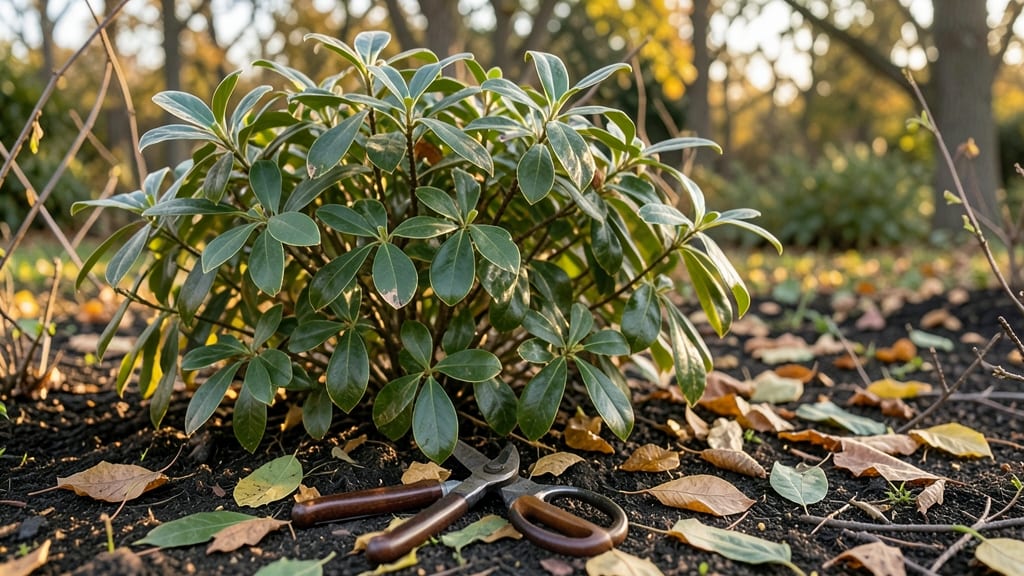
Pruning euonymus plants transforms them from scraggly to showstopping in just a few cuts. ✨ I’ve shaped my Euonymus alatus—the winged euonymus—into a dense, vibrant hedge by focusing on three strategic cuts each season, and it’s the secret to keeping them healthy and lush year-round.
The best time to prune depends on your goals: light shaping in late winter or early spring encourages fresh growth, while heavier cuts after flowering (summer) keep the plant compact.
You’ll need sharp bypass pruners, clean gloves, and a disinfectant spray to prevent disease—trust me, skipping this step leads to messy cuts and stressed plants.
Start by removing any dead or crossing branches first; these are the eyesores that steal energy from your plant. Next, thin out the center to improve airflow, then shape the outer edges for that polished look.
After pruning, give your euonymus a slow-release fertilizer and a deep watering to help it recover—within weeks, you’ll see new growth filling in those gaps.
Different varieties handle pruning differently: Euonymus japonicus tolerates heavier cuts, while Euonymus alatus responds better to gentle shaping. Avoid cutting into old wood, and never prune more than a third of the plant at once. With these tips, your euonymus will stay thriving and picture-perfect all season long.
📚 In This Guide
- What you need
- Instructions
- Tips and common mistakes
- Wrapping up and next steps
What you need
- ○ Pruning shears: Bypass pruners (for clean cuts on small stems, 3–6 inches long, with sharp, stainless steel blades). Optional: Anvil pruners for thicker branches (up to ½ inch), but avoid overuse to prevent crushing.
- ● Loppers: 1 pair (for branches ½–1½ inches thick, with a 6–8 inch blade and comfortable grip).
- ● Pruning saw: 1 small handsaw (for branches thicker than 1½ inches, with a fine-toothed blade).
- ● Gloves: 1 pair of heavy-duty gardening gloves (to protect from thorns and splinters).
- ● Disinfectant: Rubbing alcohol (70%+) or a pruning sealant (to sterilize tools between cuts and prevent disease).
- ● Rake or broom: 1 lightweight tool (to clear fallen debris after pruning).
- ○ Pruning rope or twine: Optional, for temporary support (if training young euonymus or supporting weak branches).
- ○ Safety first: Wear closed-toe shoes and eye protection (optional but recommended for heavy pruning).
- ● Weather check: Prune on a dry, calm day (avoid windy or rainy conditions).
- ● Know your euonymus: Identify if it’s a deciduous or evergreen variety—pruning timing varies!
- ○ Clean workspace: Lay down a tarpaulin or old sheet to catch debris (optional but helpful for cleanup).
Step-by-Step guide to pruning euonymus for year-round health
Here's the straightforward method I use to keep euonymus bushes lush and well-shaped without stressing the plant.
✂️ Step 1: Late Winter Cleanup Cut (January-February)
Start by removing any dead, diseased, or crossing branches first. Euonymus handles pruning well in late winter because it's still dormant but about to wake up. Use clean, sharp pruning shears to make cuts just above a leaf node or outward-facing bud—this encourages new growth in the right direction.
Look for branches that are completely brown or mushy at the core; these won't recover. Also trim any branches growing straight inward—they'll compete with others and create a weak center. I like to step back every few cuts to check the overall shape. Your goal is to open up the center for better airflow and sunlight penetration.
✂️ Step 2: Light Summer Thinning (June-July)
In midsummer, focus on thinning out about one-third of the oldest stems at the base. This rejuvenates the plant by encouraging fresh growth from the roots. Choose stems that are thicker than your thumb—these are the ones that have outlived their usefulness.
Make your cuts at the base where the stem meets the main trunk. You'll see new shoots emerging from the ground within weeks—that's your plant's way of saying "thank you." This step prevents the bush from becoming too woody and keeps foliage dense. Avoid heavy pruning now; just remove the most overgrown stems.
✂️ Step 3: Fall Shape Refining (September-October)
Now's the time to shape the euonymus for winter. Step back and visualize the ideal form—usually a rounded or slightly conical shape. Trim back any branches that spoil the silhouette, cutting just above a leaf node. For variegated varieties, be careful not to remove too many of the colored leaves, as this affects their striking appearance.
You can also do light tip-pruning to encourage bushier growth. Cut back the tips of some branches by about one-third to promote branching. This is also when I remove any suckers—those unwanted shoots growing from the base. They drain energy from the main plant, so pull them out completely at the root.
🌿 Step 4: Optional Renewal Pruning (Every 3-5 Years)
For older euonymus bushes that have become leggy, a more aggressive renewal pruning works wonders. In late winter, cut back about one-third of the oldest stems to the ground. This might sound drastic, but your plant will respond with vigorous new growth from the base within a season.
I've done this with 10-year-old bushes, and within two years they looked like brand-new plants. The key is patience—don't do this every year. Just mark the stems you'll remove first, then make clean cuts. You'll be amazed at how quickly euonymus recovers from this treatment.
Tips & tricks for perfect euonymus pruning
These simple strategies will help you maintain a healthy, vibrant euonymus year after year without stressing the plant.
Tool Preparation: Always sterilize your pruning shears with rubbing alcohol before each use—especially during Step 1 when you're removing diseased branches. I keep a small bottle of alcohol in my gardening toolkit. Sharp, clean cuts heal faster and prevent infections. Also, make sure your shears are sharp enough to cut cleanly through stems thicker than your thumb during Step 2.
Seasonal Timing: The specific timing in each step matters more than you might think. In Step 1 (January-February), pruning during dormancy prevents stress on the plant. For Step 2 (June-July), timing coincides with new growth—you'll see those fresh shoots emerge within weeks! In Step 3 (September-October), you're preparing the plant for winter dormancy while still allowing time for new growth to harden off.
Visual Reference: When shaping in Step 3, imagine your euonymus as a rounded vase—this creates that classic, elegant form. For variegated varieties, I like to keep about 70% of the colored leaves visible. You can use a small mirror to check hard-to-see areas. Also, look for the "V" shape where branches grow out—this is your natural pruning guide for maintaining an open center.
Renewal Strategy: For the optional renewal pruning in Step 4, I recommend marking the stems you'll remove with a piece of twine before making any cuts. This helps you visualize the final shape and ensures you're removing about one-third of the oldest stems. The dramatic results make this worth the effort—just be patient and wait for the new growth to emerge.
Pro Tips for Euonymus Plant Pruning
- These simple strategies will help you maintain a healthy, vibrant euonymus year after year without stressing the plant.
- Tool Preparation: Always sterilize your pruning shears with rubbing alcohol before each use—especially during Step 1 when you're removing diseased branches.
- Seasonal Timing: The specific timing in each step matters more than you might think.
Frequently asked questions
Got questions about pruning your euonymus? You’re not alone—this versatile shrub can be tricky to trim without knowing the right moves! Below, we tackle the most common concerns to help you prune with confidence.
When is the best time to prune euonymus for maximum blooms and growth?
The ideal timing depends on your goal: Prune late winter or early spring (before new growth) to shape the plant and encourage dense foliage. For flowering varieties (like Euonymus japonicus), wait until after blooming—usually late spring—to avoid cutting off next year’s flowers. Light trimming can happen year-round, but avoid heavy cuts in fall to prevent winter damage.
How do I prune euonymus to keep it bushy and full?
To encourage a thick, bushy shape, focus on selective pruning:
- Cut back 1/3 of the oldest stems to the ground each year to stimulate new growth.
- Trim overlapping or crossing branches to improve airflow and sunlight penetration.
- Use hand pruners for small stems and loppers for thicker branches.
Can I prune euonymus in winter, or will it die back?
While euonymus is hardy and can tolerate light winter pruning, heavy cuts in cold months stress the plant. If you must prune in winter:
- Do it on a mild day (above freezing).
- Avoid cutting into old wood—focus on shaping or removing dead branches.
- Water thoroughly after pruning to help recovery.
What should I do if my euonymus looks leggy after pruning?
Leggy growth often happens when too many top branches are removed, leaving lower stems bare. To fix it:
- Pinch back new growth in spring to encourage branching.
- Fertilize with a balanced 10-10-10 formula in early spring to promote foliage.
- Plant in partial shade—too much sun can exaggerate legginess.
Are there any pruning mistakes to avoid with euonymus?
Avoid these common blunders:
- Pruning in fall—it can lead to euonymus scale infestations or winter dieback.
- Using dull or dirty tools—sanitize pruners with rubbing alcohol to prevent disease.
- Over-pruning young plants—wait until they’re established (2+ years old) for heavy cuts.
- Ignoring dead or diseased wood—remove it immediately to protect the plant.
Wrapping up and next steps
Mastering euonymus plant pruning is all about timing, technique, and a little patience—just like nurturing a thriving friendship! 🌿 With the three key cuts (spring shaping, summer thinning, and winter cleanup), you’ll keep your euonymus lush, healthy, and picture-perfect year-round.
Remember, confidence grows with practice, so don’t hesitate to grab those pruners and get started!
Ready to elevate your green thumb game? Next up: Experiment with creative shapes or even propagate cuttings to expand your euonymus collection! 🌟