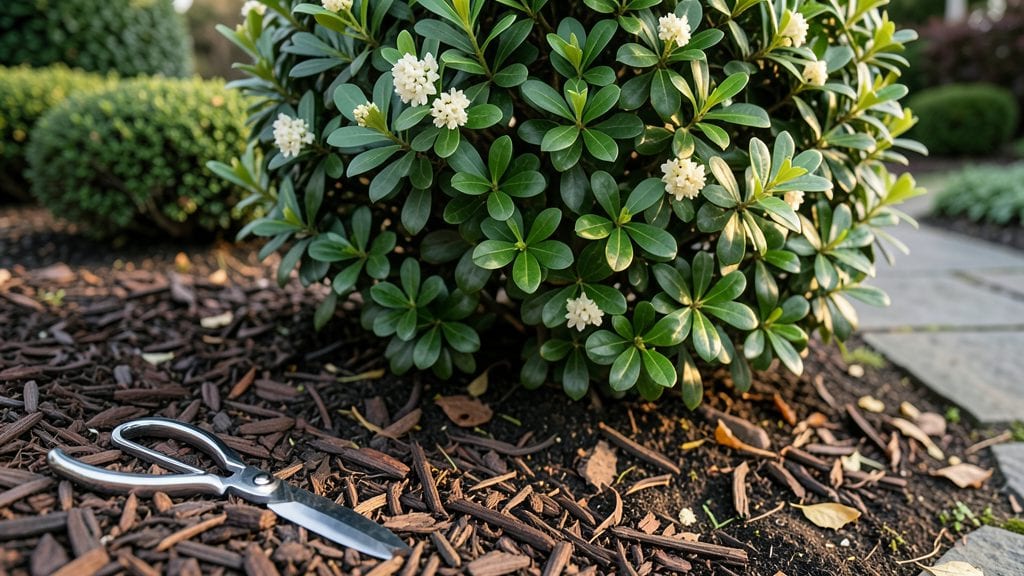
Creating stunning year-round borders with evergreen edging plants 🌿 transforms your garden into a lush, ever-changing canvas—no seasonal replanting required.
Tired of seasonal borders that leave your garden looking dull in winter? Evergreen edging plants offer lush, year-round structure with minimal effort—perfect for defining garden beds while keeping maintenance simple.
These hardy plants thrive in USDA Zone 6a and beyond, providing vibrant color and sharp definition without the fuss of seasonal swaps. Whether you prefer the structured look of boxwood or the wild charm of creeping juniper, there’s an evergreen edge for every style.
Below, I’ll walk you through the top 10 low-maintenance options, how to pair them for cohesive design, and the easiest planting tips to keep your borders looking sharp all year long.
Top 10 low-maintenance evergreen edging plants for year-round borders
If you're dreaming of a garden that stays vibrant even when winter blankets the landscape, evergreen edging plants are your secret weapon. These hardy plants provide year-round structure and color while demanding minimal pruning or care.
Whether you're lining a flower bed, outlining a pathway, or framing a lawn, these low-maintenance evergreens will keep your garden looking polished with almost no effort.
I’ve curated this list based on resilience, color variety, and minimal pruning needs, ensuring each plant thrives in diverse climates with little fuss. From classic boxwood to rugged creeping juniper, these plants offer texture, height, and seasonal interest without the high-maintenance demands of seasonal annuals.
Here’s how I ranked them: hardiness first, followed by visual appeal and ease of care. Some, like dwarf holly, add festive berries, while others, like ornamental grasses, sway with movement. All deliver year-round greenery with minimal upkeep.
Below, you’ll find a detailed comparison to help you choose the perfect evergreen edging plants for your garden’s style and climate.
| Plant |
Mature Height |
Sunlight Needs |
Drought Tolerance |
Pruning Needs |
Color/Texture |
| Boxwood (Buxus) |
2-4 ft |
Full sun to partial shade |
Moderate |
Light (shape 2x/year) |
Dark green, dense foliage |
| Dwarf Holly (Ilex crenata) |
3-5 ft |
Full sun to partial shade |
High |
Minimal (prune after flowering) |
Glossy leaves, red berries |
| Creeping Juniper (Juniperus horizontalis) |
1-2 ft (spreading) |
Full sun |
Very high |
None (shear occasionally) |
Blue-green, needle-like |
| Heather (Calluna vulgaris) |
1-2 ft |
Full sun to partial shade |
Moderate |
Light (trim after blooming) |
Purple/pink flowers, evergreen |
| Ornamental Grass (Carex) |
1-3 ft |
Full sun to partial shade |
High |
None (cut back in spring) |
Soft plumes, upright growth |
| Dwarf Yew (Taxus baccata) |
2-4 ft |
Partial shade to full sun |
Moderate |
Light (shape as needed) |
Dark green, glossy leaves |
| Lavender (Lavandula) |
1-2 ft |
Full sun |
Very high |
None (deadhead spent blooms) |
Silvery foliage, purple spikes |
Creeping Thyme (Thymus serpyllum
How to choose evergreen edging plants for your climate and soil type
Selecting the right evergreen edging plants starts with understanding your USDA hardiness zone and soil conditions. Cold climates (zones 3-5) thrive with boxwood or creeping juniper, while warmer zones (7-10) can handle dwarf yaupon holly or coastal heather.
Each plant has unique needs—some prefer acidic soil, others sandy loam, and a few tolerate clay-heavy ground.
Sunlight exposure is another critical factor. Full-sun lovers like dwarf mondo grass need 6+ hours of sunlight, while partial shade varieties such as dwarf rhododendron thrive with 3-4 hours of morning sun.
Overwatering or poor drainage can quickly kill even the hardiest evergreens, so always check your soil’s moisture retention before planting.
Key Takeaway:
🌿
Match Plant to Conditions:
- Zone 3-5: Boxwood, Creeping Juniper
- Zone 6-8: Dwarf Yaupon Holly, Liriope
- Zone 9-10: Coastal Heather, Dwarf Mondo Grass
Soil Tip: Amend clay soil with compost; sandy soil needs organic mulch.
For sandy soil, opt for drought-tolerant plants like creeping thyme or sedum, which thrive with minimal moisture. In clay-heavy soil, azaleas or pieris perform well if amended with organic matter.
Always test your soil’s pH level—acid-loving plants (like blueberries) need pH 4.5-5.5, while boxwood prefers pH 6.0-7.0.
Mulching is essential for moisture control and weed suppression. Use organic mulch like pine straw or wood chips to retain moisture in sandy soil and improve drainage in clay soil. Avoid piling mulch against stems to prevent rot, and reapply annually to maintain effectiveness.
Common mistakes include planting water-loving plants in dry areas or drought-tolerant varieties in soggy soil. Always observe your garden’s microclimates—a north-facing border may stay shadier than a south-facing one. Group plants with similar water and sunlight needs to simplify care and ensure consistent growth.
Start small with 3-5 plants to test your garden’s conditions. Once you identify what thrives, expand your edging with complementary textures and colors. For example, pair silver-blue creeping juniper with deep green boxwood for a striking contrast that stays vibrant year-round.
★★★★★4.8(9 reviews)
|