
Companion Plants
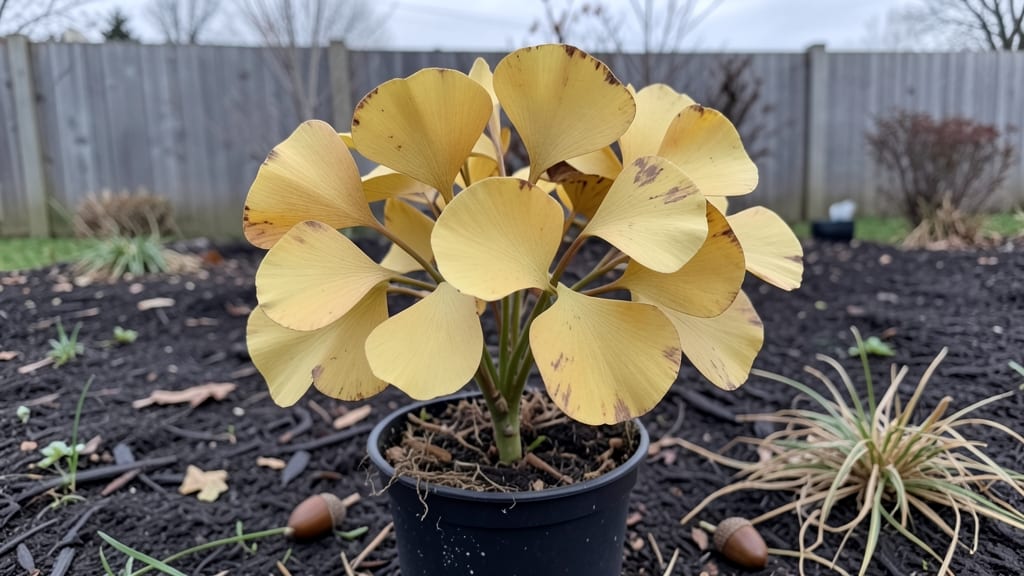
Fall faux plants let you fake autumn foliage without the cleanup or upkeep. ✨ I’ve used them to create instant seasonal drama in my garden—think vibrant maples and golden birches that stay perfect all season long.
The best part? No raking, no browning leaves, and no waiting for real plants to mature.
You’ll need just a few key items: lightweight faux plants (realistic ones feel like silk or polyester), sturdy stakes or planters, and some basic garden tools. For patios or porches, I recommend placing them in containers or along fences where they’ll catch the eye without overwhelming the space.
Even beginners can pull this off—no green thumb required.
The payoff is a garden that looks like it’s been kissed by autumn every time you walk outside. These plants blend seamlessly with real foliage, creating depth and texture without the mess. Plus, they’re perfect for renters or anyone who wants seasonal beauty without the commitment of real plants.
Works for both outdoor spaces and indoor-outdoor transitions—think entryways, dining areas, or even a cozy reading nook. Here’s how to make them look natural and foolproof, even for the most skeptical gardener.
📚 In This Guide
- What you need
- Instructions
- Tips and common mistakes
- Wrapping up and next steps
What you need
- ● Artificial plants: 1–3 faux plant varieties (e.g., ornamental grasses, dried wheat stalks, evergreen shrubs, or colorful foliage like burgundy or gold). Choose textures that mimic natural decay or seasonal change.
- ● Pro tip: Opt for weather-resistant materials (polyester or silk) to handle rain, wind, and sun.
- ● Base structures: 1–2 garden stakes or metal rods (12–18 inches tall) for vertical faux plants.
- ● 1–2 small planters or terracotta pots (6–12 inches wide) for grouped arrangements.
- ● 1 garden grid or wire mesh (for layered, natural-looking clusters).
- ● Adhesives & fasteners: Hot glue gun + glue sticks (for securing plants to stakes or bases).
- ● Floral wire or zip ties (to bundle stems or anchor plants in place).
- ○ Natural accents (optional but magical!): Dried leaves, pinecones, or acorns for texture.
- ● Twine or burlap strips to tie stems together.
- ● Spray paint (matte finish) to distress faux plants for a worn-in look.
- ● Location scouting: Pick spots with partial shade (to avoid sun bleaching) or windbreaks (to prevent flopping).
- ● Seasonal timing: Install faux plants in late September–early October for peak fall impact.
- ● Safety first: Wear gloves when handling hot glue or sharp wire!
How to create stunning fall faux plants that look real
Here's how to craft garden illusions that'll have neighbors asking, "Are those real?"
🌿 Step 1: Gather Your Seasonal Materials
Start with dried grasses, seed pods, and fallen leaves—these are your fall faux plant building blocks. I like to collect wheatgrass, milkweed pods, and oak leaves for texture and color variety. Spread them out on a clean tarp or newspaper to sort by size and shape. This is where the magic begins—mixing different textures creates depth that tricks the eye.
Don't skip the wire or floral foam—these are your hidden skeletons. Cut the wire into 6-12 inch sections depending on plant size, and shape them into basic branches. For smaller pieces, floral foam holds leaves in place without showing. I always keep a small pair of wire cutters handy because you'll be adjusting shapes constantly.
☀️ Step 2: Build the Base Structure
Begin with your largest wire pieces as the main stems. Bend them into natural-looking curves—think of how real plants grow, not stiff lines. For 4 faux plants, you'll need about 8-10 wire stems total (some will be hidden inside). Wrap the base with brown craft paper or burlap to mimic tree bark or plant stems. This creates the illusion of real stems before you even add foliage.
Here's the trick: space your stems unevenly. Real plants don't grow in perfect symmetry. Leave some stems longer than others and position them at different angles. Once your wire framework feels right, secure it in a pot or container. I use small plastic pots for individual plants and long wooden troughs for larger arrangements.
🌱 Step 3: Assemble the Foliage Layers
Now for the fun part—layering! Start with the largest elements at the bottom. For example, place oak leaves at the base of your arrangement, then add smaller seed pods in the middle, and finish with delicate grasses at the top. This creates that perfect fall "tapered" look. I like to work from back to front so nothing gets hidden behind other pieces.
Use floral wire or hot glue to attach pieces securely. For grasses, bundle 3-5 stalks together and wire them into clusters. Leave some pieces slightly loose—they should move naturally when touched, just like real plants. This is where faux plants reveal their secret: the subtle imperfections make them believable.
💧 Step 4: Add Finishing Touches
Once your structure is complete, dust everything lightly with a dry brush to soften edges and add realism. A few dried flowers or berries scattered throughout elevate the look instantly. For extra drama, add a light spray of brown or green paint to some leaves—just a few strokes mimics natural aging and variation.
Step back and evaluate. If a plant looks too perfect, tweak one element—maybe bend a leaf slightly or add a tiny imperfection. Real plants have character, and your faux plants should too. Place them in your garden or on a patio table, and watch as people reach out to touch them, convinced they're real.
Tips & tricks for perfect fall faux plants
Here's what I've learned after creating dozens of these deceptive beauties—tricks that make all the difference between "cute craft project" and "oh wow, are those real?"
Texture is Everything: In Step 1, when gathering your materials, focus on creating a mix of coarse and fine textures. Bundle your dried grasses into 3-5 stalk clusters and leave some pieces slightly uneven—this mimics the natural variation in real plants. I like to include wheatgrass for its feathery quality and milkweed pods for their unique shape. The more diverse your textures, the more believable your faux plants will appear.
The Wire Framework Secret: When building your base structure in Step 2, don't be afraid to get creative with your wire shapes. Bend them into gentle curves rather than straight lines—real plants grow organically! For the 4 faux plants you're making, use about 8-10 wire stems total, but remember that some will be hidden inside. The key is to create stems that look natural when viewed from any angle, not just the front.
Layering Like a Pro: In Step 3, think of your arrangement like a forest floor. Start with your largest elements at the bottom—oak leaves work perfectly for this—and build upward with smaller seed pods and grasses. This creates that perfect fall "tapered" look that makes them look so realistic. Working from back to front ensures nothing gets hidden, and leaving some pieces slightly loose makes them move naturally when touched—just like real plants.
Finishing Touches Make All the Difference: After assembling everything in Step 4, take time with the finishing touches. Use a dry brush to lightly dust everything—this softens edges and adds dimension. A few dried flowers or berries scattered throughout can elevate your faux plants instantly. And here's my pro move: add a light spray of brown or green paint to some leaves. Just a few strokes mimics natural aging and variation that makes them look lived-in and real.
Pro Tips for Fall Faux Plants
- Here's what I've learned after creating dozens of these deceptive beauties—tricks that make all the difference between "cute craft project" and "oh wow, are those real?"
- Texture is Everything: In Step 1, when gathering your materials, focus on creating a mix of coarse and fine textures.
- The Wire Framework Secret: When building your base structure in Step 2, don't be afraid to get creative with your wire shapes.
Frequently asked questions
Got questions about fall faux plants?
You’re not alone! Here are some of the most common queries—plus straightforward answers to help you master the art of seasonal garden illusions.
What’s the best time to install faux plants for a fall look?
Install faux plants before the first frost (typically late September to early October) to ensure they blend seamlessly with dying back foliage. This timing mimics nature’s transition, making your garden look intentional—not forced. Pro tip: Place them in spots where real plants are thinning, like behind shrubs or near empty planters.
Can faux plants fool neighbors (or even me) into thinking they’re real?
High-quality faux plants with textured leaves and subtle color variations (like bronze or burgundy) can fool the eye—especially from a distance. For extra realism, mix in a few real seasonal plants (like ornamental grasses) to break up the pattern. Test your own garden: Step back and squint!
Are faux plants worth the investment compared to real fall foliage?
Yes, if you prioritize low maintenance and year-round curb appeal. Real fall plants require pruning, watering, and cleanup, while faux plants stay "perfect" forever. Budget-friendly tip: Buy in bulk during post-holiday sales (January–February) for discounts up to 50% off!
How do I keep faux plants looking fresh in rain or wind?
Most faux plants are weather-resistant, but heavy rain or wind can dislodge lightweight varieties. Secure them with invisible garden ties or bury stakes slightly into the soil. For container plants, weigh them down with pebbles or a tray. Bonus: Shake off debris occasionally to maintain a natural look.
What’s a good alternative if I don’t want to commit to faux plants?
Try seasonal annuals like mums, ornamental kale, or pampas grass for instant fall color. For a low-effort option, use dried flowers or wheat stalks in containers—they add texture without upkeep. Hybrid hack: Pair faux plants with a few real ones for a "best of both worlds" vibe!
Wrapping up and next steps
Fall faux plants are the secret weapon for adding seasonal charm without the upkeep!
Whether you're drawn to the easy elegance of silk leaves, the durability of resin blooms, or the whimsy of faux pumpkins, these garden illusions let you enjoy autumn’s beauty year-round—without the fuss. 🍂✨
Ready to transform your space? Start small—pick one faux plant or decor piece to test your newfound love for low-maintenance gardening.
Before you know it, you’ll be swapping real for faux like a pro, and your garden (or porch, or patio!) will always look like it’s straight out of a fall magazine.
Next step: Browse our favorite faux plant shops or DIY tutorials—your dream seasonal display is just a click (or a craft project) away!